The Guy Who Wrote ‘The Godfather’ Had Never Written a Movie Before and Won Two Oscars
Mario Puzo’s career began with a debt problem, a stubborn streak, and the type of confidence that makes a person say yes to a job they’ve never done before. The man behind The Godfather entered Hollywood with a bestselling book, a wallet full of IOUs, and no screenwriting experience. But instead of sinking his studio meeting, it set up one of the biggest power moves in film history, and he collected two Oscars along the way.
Before the awards and the legacy talk, Puzo was focused on earning one thing: cash. He’d written two respected novels and barely $6.5K for both. By the mid-1960s, he owed around $20K to a mix of relatives, banks, and bookmakers. He later said he wrote The Godfather for money, not glory. His research was published in a book that gained widespread attention in 1969. It sold millions, topped the charts, and put him back on his feet. Then Paramount called with an offer to adapt it.
A First-Time Screenwriter Walks Into Paramount
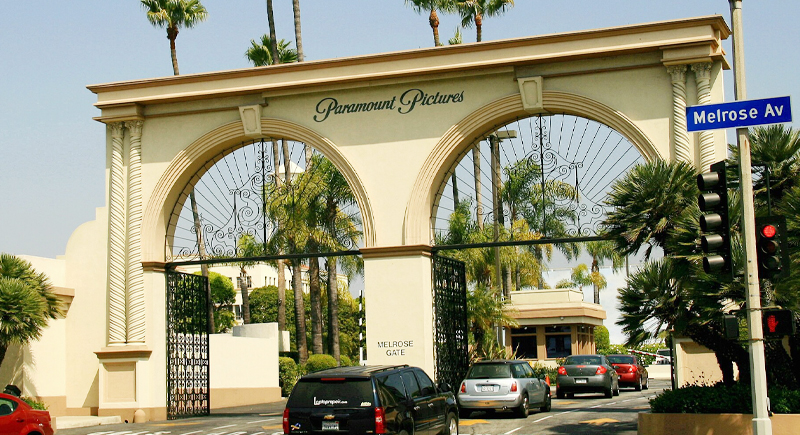
Image via Wikimedia Commons/Patrick Pelster
Paramount wanted the man who created the Corleones to script the film, even though he had never written a screenplay. Their initial offer wasn’t great, so he rejected it. When the studio returned with better terms, he agreed to meet producer Al Ruddy for lunch. Puzo promised not to cling to the novel, dropped it on the floor for emphasis, and walked out with the job.
His deal included expense money and a percentage of net profits. It sounded generous until he realized a suite at the Beverly Hills Hotel cost the same amount he received each week. Hollywood accounting also hid profits with ease, but none of that mattered yet. Puzo arrived in Los Angeles a folk hero, a late-career underdog landing his shot at a new field.
The Coppola Factor
Puzo wrote early drafts alone, but everything shifted when Francis Ford Coppola entered the process. Coppola saw potential that the first script didn’t fully tap into. He loved Puzo’s storytelling instincts, but he also saw gaps in them. Puzo didn’t speak Italian and pulled most Mafia details from research like The Valachi Papers. Coppola brought cultural grounding and an understanding of the emotional engine behind the Corleone family. Their collaboration shaped the final script through a back-and-forth rhythm that blended Puzo’s voice with Coppola’s structure.
One memorable exchange summed up their teamwork. In the famous kitchen scene, Coppola wrote that Clemenza “browns” sausage. Puzo crossed it out and replaced it with a sharper, grittier verb that fit the characters better. Moments like that tightened the tone of the script and kept the world authentic without leaning on stereotypes.
How a Gamble Turned Into Gold
Image via Wikimedia Commons/Bertaut
Puzo often joked that he lost thousands at the casino while working on the sequel scripts with Coppola, then earned millions once he went back upstairs and wrote. That humor masked something real.
He had taken a chance on a career pivot, pushed through the adjustments, and helped create a film that dominated the 1972 box office and earned Academy Awards for Best Picture, Best Actor, and Best Adapted Screenplay. Puzo shared that final prize with Coppola, making him a first-time screenwriter who walked away with Hollywood’s top honor.
A Career Rewritten
The man who started in debt became a millionaire author and screenwriter. He worked on the Godfather sequels, contributed to the scripts for Superman and Superman II, and kept publishing novels. He liked film, but he loved the freedom of fiction. Writing a novel meant total control. Writing a movie meant compromises, battles over cuts, and long studio debates. Still, his leap into screenwriting rewired his future.