The Gross Reason You Actually Need Nose Hair
Nose hair acts as the first checkpoint for inhaled air, as larger particles like dust, pollen, and debris are filtered out before they reach the deeper airways. The strands are at the front of the nostrils and work alongside sticky mucus that coats the nasal passages.
Mucus contains water, salts, proteins, and immune chemicals. As air moves through the nasal passages, mucus traps pollutants, smoke particles, germs, and allergens. Once dried, that trapped material becomes nasal crusts, often called boogers. Removing those crusts through normal nose blowing helps clear captured debris out of the body.
Medical experts emphasized during the coronavirus pandemic that nasal mucus also helps capture viruses. In 2020, infectious disease specialist Dr. Paul Pottinger explained that nasal glands produce mucus when foreign material enters the airways. That response helps trap pathogens before they reach the lungs.
Why Plucking Can Backfire
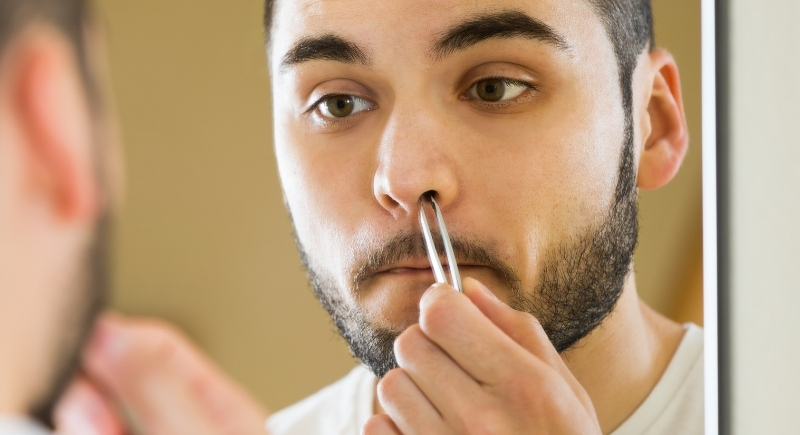
Image via Getty Images/JackF
Pulling nose hair might seem like a quick fix, but it removes part of the body’s built-in filter. A 2011 medical study of people with seasonal allergies found that those with lower nasal hair density were more likely to develop asthma later.
The likely reason is simple: less hair means more allergens reach sensitive airways, and inflammation builds more easily when irritants slip past the first line of defense. Trimming visible hair keeps protection in place while still solving cosmetic concerns.
There is also a tissue risk. The lining inside the nose contains thin epithelial layers filled with tiny blood vessels. Scientists studying viral infection pathways have warned that repeated nose picking can create microscopic cuts. Once those tiny openings form, germs sitting on fingers have a direct path into the bloodstream.
The Gross But Brilliant Two-Layer Defense
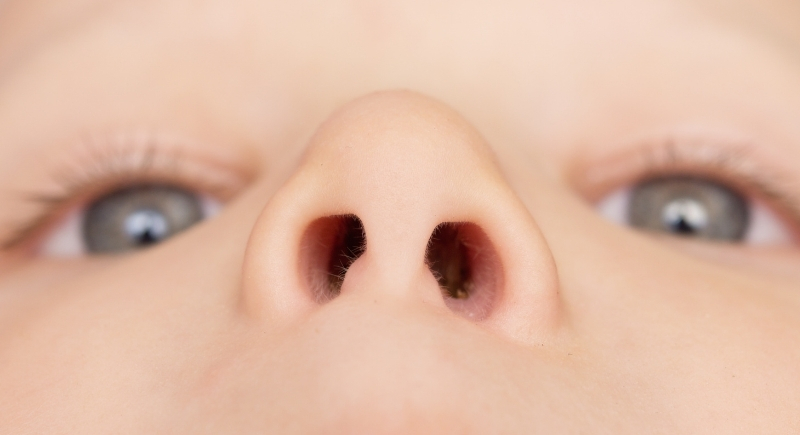
Image via Getty Images/RusN
Nasal hair and mucus work together. Hair blocks larger particles, while mucus traps smaller particles and carries immune protection. Nasal mucus contains antibodies and enzymes, such as lysozyme. These substances help break down bacteria and some viruses before they move deeper into the body. When mucus dries and naturally leaves the nose, trapped microbes are carried along.
Mucus color can also offer clues about immune activity. Yellow or green mucus often appears when white blood cell activity increases. Dark or black mucus can signal heavy exposure to pollution or smoke particles.
The Hidden Risk Of Habit Behaviors
A group of mental health experts classifies frequent nose picking as a body-focused repetitive behavior. These habits often happen without thinking, especially during stress or boredom. During the COVID-19 era, doctors highlighted another danger: touching contaminated surfaces can transfer viruses directly into the nasal tissue!
Masks helped because they reduced unconscious finger-to-nose contact while also blocking airborne particles. Doctors also suggested saline sprays and humidified air to reduce crust formation by keeping mucus hydrated. If nasal discomfort occurs frequently, doctors usually check for conditions such as chronic allergies, inflammation, or structural abnormalities like a deviated septum.
Smarter Ways to Handle Nose Hair and Mucus

Image via Getty Images/Antonio_Diaz
Medical advice usually focuses on trimming instead of removing nose hair. Rounded scissors or narrow electric trimmers reduce injury risk while maintaining filtration performance.
For mucus buildup, blowing the nose into tissue works best. Saline rinses can help loosen dried mucus. Doctors stress using sterile water for nasal rinsing tools and avoiding sharing them to reduce infection risk.