The Decade When American Families Quietly Stopped Eating Dinner Together
Up until the past two decades, dinner was considered a guaranteed family event. Parents would call their kids to the table, and the evening would carry on with shared stories about school, work, and everything in between.
Yet, for many American families, this regular ritual is fading away. Family dinners began to lose their hold, and as the years went by, they became less frequent.
The Rise of the Hyper-Scheduled Life

Image via Getty Images/cyano66
So what happened? Well, part of the shift can be traced to the increasingly hectic lives families lead. In the 1990s, the pace of life began to pick up, and not in a good way. Dual-income households became the norm, and the traditional workday wasn’t enough to keep families running smoothly.
Parents were stretched thin, juggling office hours, errands, and their children’s extracurricular activities, which left little room for a shared meal. Plus, the extra burden of homework, social lives, and digital distractions became just one more thing that didn’t quite fit into the schedule.
Technology is the Silent Dinner Date Killer

Image via iStockphoto/boggy22
It’s not just busy lives to blame. Technology entered the picture as well, and not in the way we thought it would. While the idea was that it would make life easier, it also made it harder for families to connect. Phone calls, texts, and social media alerts are a constant pull for everyone.
Dinner, once a sacred time for talking and connecting, is now often interrupted by screen time. When your phone is buzzing away next to your plate, it’s hard to focus on anything but what’s happening on the other side of the screen.
The Cultural Shift: From Family Time to “Me Time”
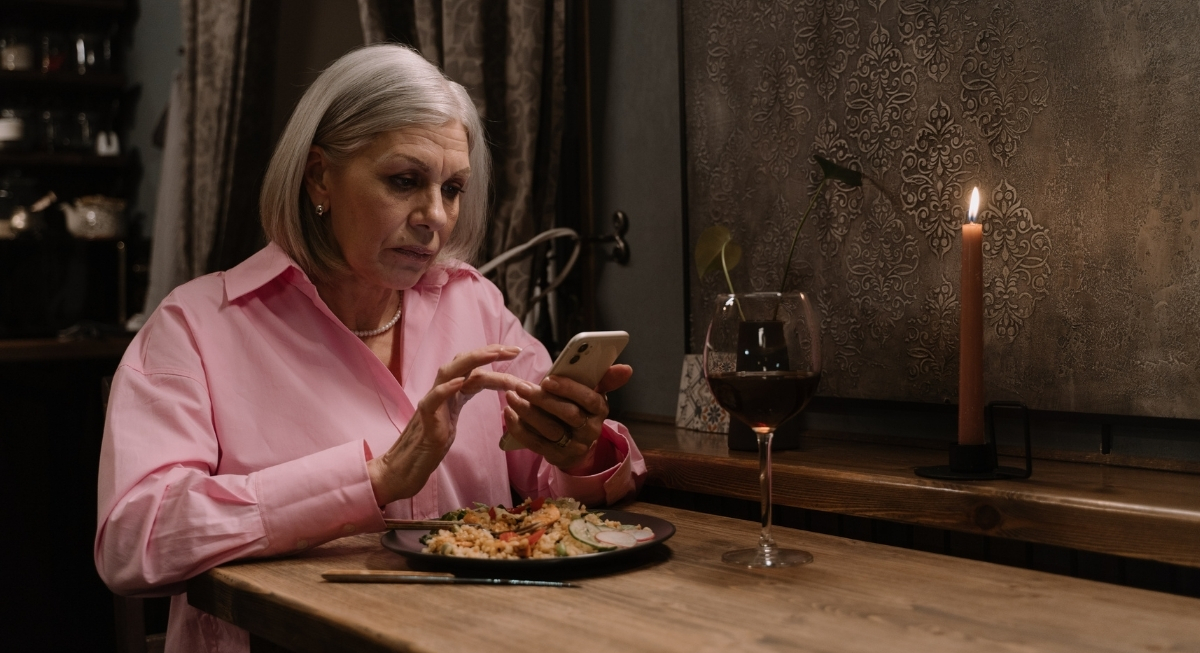
Image via Pexels/cottonbro studio
There’s also been a cultural shift. For decades, mealtimes were about coming together as a family. But somewhere, the idea of “family time” started to feel less vital, especially as individualism rose in popularity. People no longer felt the pressure to sit down together at the same time.
The notion that the family would automatically gather around the dinner table every night slowly became outdated. Dinner was now just another part of the day, not the anchor it used to be.
The Toll of the Shift
Studies have shown that family meals aren’t just good for bonding; they’re actually beneficial for children’s development. Kids who share meals with their parents are more likely to succeed academically and socially and are at lower risk of developing unhealthy habits.
Without regular dinner times, families lose out on moments that build connections and shape communication. Yet, despite these benefits, many families continue to drift further away from the dinner table.