The Blind Spot Gen X Parents Share About Raising Emotionally Literate Kids
Gen X parents were often raised in environments where emotional expression was discouraged, and authority was rarely questioned. Many have since adopted more emotionally aware parenting styles. However, shifting from that upbringing to raising emotionally literate children has proven complex, especially in the context of modern parenting advice and social media-driven discussions about emotional intelligence.
The central tension running through this shift is that many Gen X parents are trying to raise emotionally literate children without having grown up with emotional literacy themselves, while also navigating a parenting culture full of conflicting advice and rising anxiety about doing things “right.”
Emotional Literacy Wasn’t Part of the Original Parenting Playbook
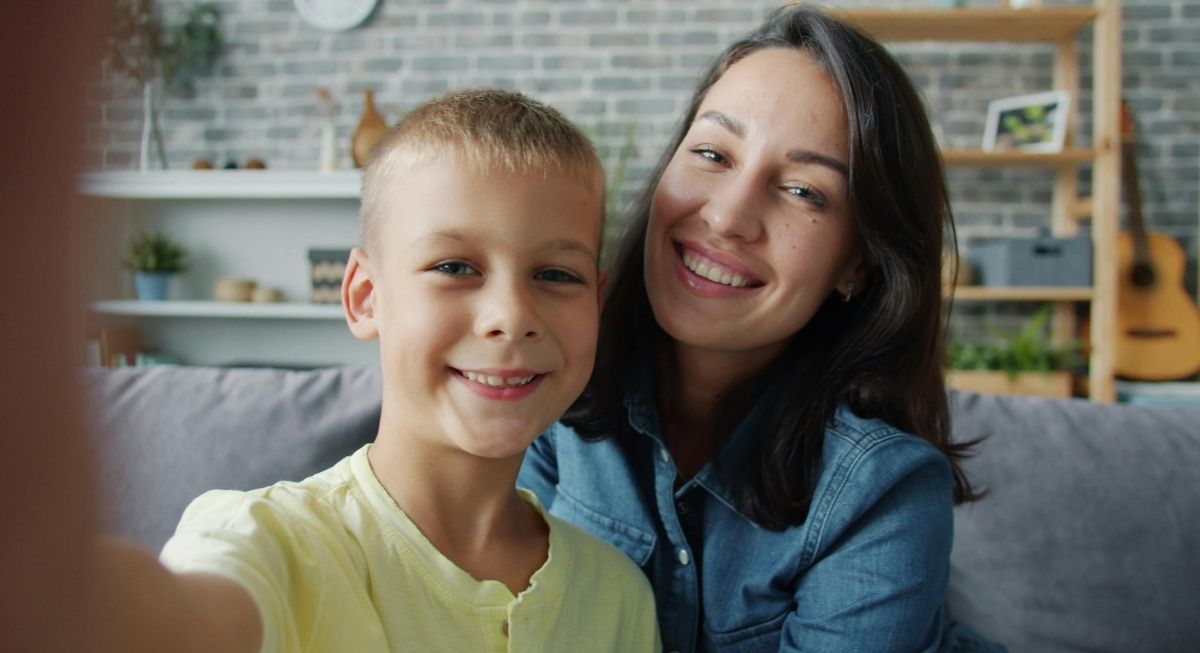
Image via Pexels/Vitaly Gariev
Emotional literacy was not part of many Gen X households. Emotions were often handled through silence, sarcasm, or discipline, and children were expected to adjust quickly and move on. Conversations about feelings were limited, often reduced to brief responses like “fine.”
Emotional intelligence is largely learned through observation. Mental health experts emphasize that children develop regulation skills by watching how adults respond to stress, conflict, and disappointment in everyday life.
This helps explain why many parents today are intentionally trying to change that pattern. Online discussions about “raising soft kids,” including viral Reddit threads, reflect this shift. One parent described wanting children who are emotionally aware rather than raised in constant survival mode, a sentiment that resonated with many adults who recognized their own upbringing in it.
At the same time, the debate remains divided. Some see emotional openness as necessary for healthy development, while others worry it may lead to overprotection.
The Real Issue Isn’t Kindness

Image via Canva/SHOTPRIME
The main criticism of emotionally focused parenting usually sounds the same: the world is hard, and kids need resilience. That’s a fair concern, but many psychologists argue that emotional literacy and resilience actually work together.
Children who can identify feelings tend to handle stress better because they understand what’s happening internally instead of exploding outwardly. Emotional intelligence experts have repeatedly emphasized that validating a child’s emotions does not mean excusing bad behavior. A tantrum can still have consequences, and a rude teenager can still be corrected. The difference is that parents address the emotion underlying the behavior rather than treating feelings like the enemy.
This distinction gets lost often online, where parenting styles are flattened into extremes. Either parents are “too soft” or emotionally unavailable. Real parenting is somewhere in the middle.
One parenting coach explained it bluntly in a CNBC interview: children are “not robots,” and emotions should not be ignored or punished. The focus should be on helping kids understand what they feel, rather than shaming them for having feelings.
Gen X Parents Are Also Battling Their Own Anxiety
Many Gen X parents are raising emotionally aware children while still managing stress and emotional patterns they were never taught to process.
At the same time, they are navigating an overload of parenting information, from child development and mental health to diet, screen time, and academic pressure.
This creates a constant tension. Many worry about repeating emotionally distant parenting styles, while also fearing they may overcorrect and raise children who struggle with resilience or independence. That push and pull contributes to rising emotional exhaustion, as parenting often overlaps with their own process of unlearning and self-reflection.