The 2000s Super Bowl Show We All Want Might Actually Happen
There’s a certain energy that only early-2000s pop can bring. It’s big, glossy, emotional, and made for stadium speakers. And for the first time in a while, it feels like that sound could return to the biggest stage in American entertainment.
The momentum is coming from one of the acts that defined that era. The Backstreet Boys have said they want to headline the 2027 Super Bowl halftime show, and they’re picturing more than just their own set. They’re talking about a full-scale throwback featuring the artists who ruled radio, MTV, and CD players in the late ’90s and early 2000s.
Nothing has been confirmed by the NFL yet. Still, the public push, the wave of nostalgia, and the timing of the upcoming Super Bowl location make this feel surprisingly possible.
Why The Timing Suddenly Makes Sense
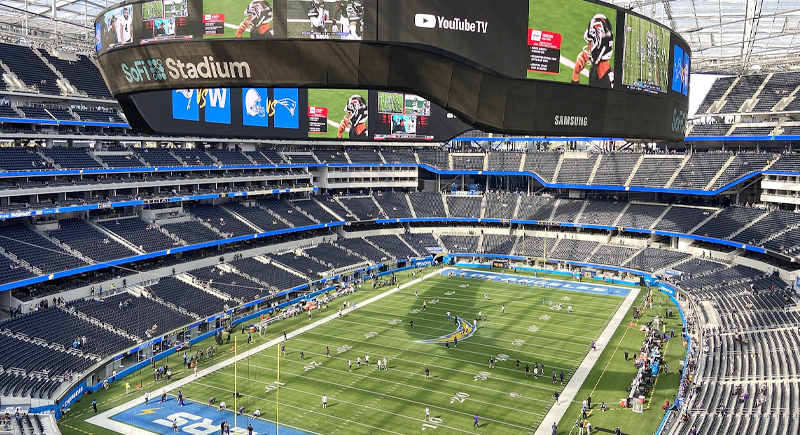
Image via Wikimedia Commons/Troutfarm27
Super Bowl 2027 is expected to take place at SoFi Stadium in Los Angeles, and that matters. Los Angeles is deeply connected to the pop machine that created the boy band and teen pop boom. It is also a city where large-scale production, guest appearances, and celebrity collaborations are easier to coordinate than almost anywhere else.
The Backstreet Boys are already active performers again, including a major Las Vegas Sphere residency. That keeps them visible to newer audiences while still serving longtime fans who grew up during the peak pop era.
Instead of feeling like a reunion act coming out of nowhere, they currently exist in that rare space where legacy and relevance overlap.
The “Pop Explosion” Idea Fans Are Obsessed With
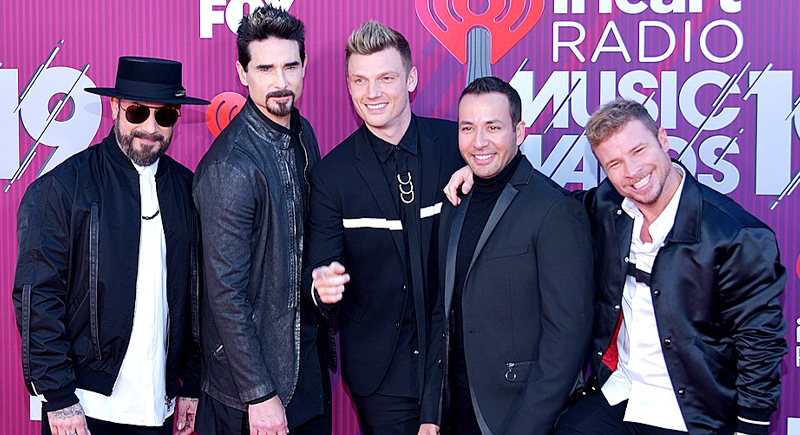
Image via Wikimedia Commons/Toglenn
What has people talking is not just the idea of the Backstreet Boys performing. It is the lineup they have hinted at bringing with them.
They have discussed a massive throwback collaboration that could feature artists like Britney Spears, NSYNC, and 98 Degrees. Such a multi-artist nostalgia performance is exactly what many fans associate with the early-2000s entertainment style: big personalities, fast transitions, and songs everyone still knows word-for-word.
It also matches how modern halftime shows have evolved. Recent shows have leaned heavily into era-based celebration sets, where the performance feels like a time capsule rather than a single artist concert. A 2000s-focused lineup would fit that model perfectly.
The Full Circle Moment That Makes The Story Better
Part of what makes this story interesting is history. Back in 2001, during Super Bowl XXXV, the Backstreet Boys were given the chance to perform in the halftime show. They turned it down and instead performed the national anthem. The halftime performance that year became one of the most iconic early-2000s pop showcases, featuring Aerosmith, Britney Spears, NSYNC, Mary J. Blige, and Nelly.
Their choice now reads like one of those lingering pop culture what-ifs. More than twenty years later, the group has said it would mean a lot to return and headline the halftime show on their own terms. If that happens, it would feel bigger than nostalgia. It would feel like a moment finally coming back around.
Why The NFL Might Actually Consider It
Image via Wikimedia Commons/DHSgov
The halftime show has never been just about the music. For the NFL, it’s about scale. The performance has to land with die-hard fans, casual viewers, and the people who tune in mostly for the ads and the spectacle.
That’s where early-2000s pop has an edge. The songs are widely recognizable, even for people who didn’t closely follow the charts back then. Add in the way streaming has introduced those hits to younger listeners, and a Y2K-style mega show suddenly makes strong sense from a reach standpoint.
The Biggest Unknowns
Image via Wikimedia Commons/Dustin Williams
The biggest variable is still whether the NFL wants to go in that direction. Halftime selections usually balance nostalgia with current chart dominance. Sometimes they lean toward newer artists, sometimes toward legacy acts with massive cultural impact.
Another wildcard is logistics. Multi-artist shows are harder to coordinate and rehearse. They also require complex creative direction to ensure each performer gets a moment without the show feeling overcrowded. Still, recent halftime shows have proven that large collaborative sets can work if the vision is clear.
Fans Are Already Treating It Like A Real Possibility
Fan petitions and online campaigns do not decide halftime shows, but they do signal cultural demand. The fact that the conversation is happening across entertainment media, fan spaces, and music communities suggests there is real interest beyond simple nostalgia memes.
For now, it is still just an idea. But it is an idea backed by timing, history, location, and a generation of listeners who still remember exactly where they were the first time they heard those songs. And if it does happen, it would be a time machine set to the loudest, most glitter-covered era of pop music.