How to Survive if You Are Stranded in the Freezing Cold
Getting stranded in severe winter weather means that you take some time to think before acting. After all, cold temperatures drain energy, impair judgment, and raise the risk of hypothermia. Federal data shows hundreds of traffic deaths occur each year during snowfall, and many involve drivers who underestimate conditions.
Consequently, survival depends on protecting body heat, managing resources carefully, and making controlled decisions.
Keep Clothing Dry

Credit: Canva
Moisture strips heat away rapidly, which is why experienced instructors stress dryness above everything else. Water conducts heat about 25 times faster than air, which means damp clothing accelerates cooling once you slow down. Remove a layer before heavy effort begins and change into dry items immediately if possible.
Layer for Real Insulation
Credit: Africa Images
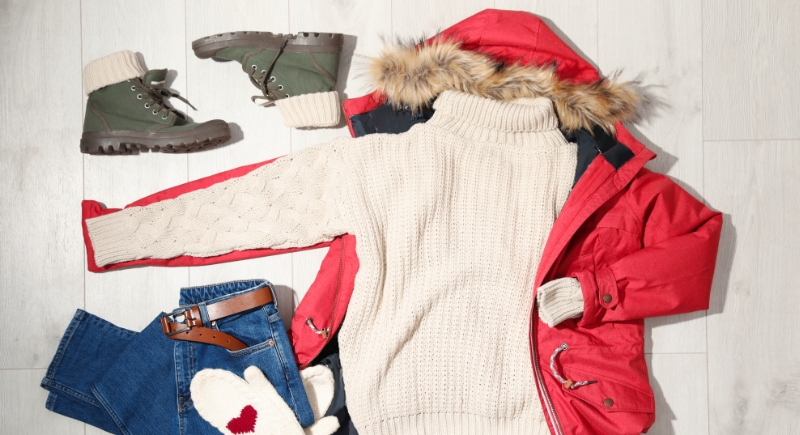
Use a breathable base layer that sits close to the skin and effectively manages moisture. Add a middle layer that holds warmth, then finish with a wind-blocking outer shell. Loose layers trap air that your body naturally warms, and that trapped air acts as insulation to protect your core temperature.
Cover Your Head and Neck

Credit: Canva
Your head receives a steady blood supply and has limited natural insulation. For this reason, leaving it uncovered allows significant heat loss, and icy air hitting exposed skin heightens discomfort and drains energy. In such cases, adding a scarf or face covering helps block wind and protect sensitive skin.
Protect Hands and Feet Carefully
Credit: Getty Images
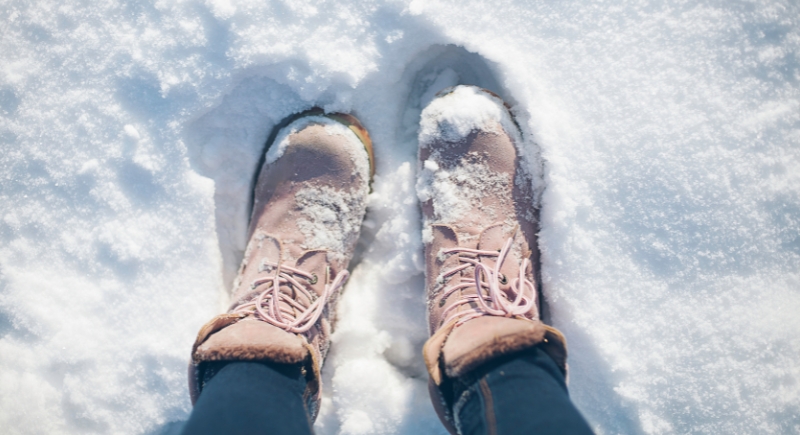
Fingers and toes are farthest from the heart, so circulation there weakens first in extreme temperatures. Frostbite also tends to develop in these areas before you notice greater danger. It would be wise to choose insulated gloves or mittens and waterproof boots that allow proper circulation. Wool socks retain warmth even if slightly damp.
Avoid Cold Beverages Completely

Credit: Aflo Images
Do not reach for a chilled alcoholic drink to feel warmer. That brief sensation of warmth occurs because it widens blood vessels near the skin, increasing heat loss and lowering core temperature. Alcoholic beverages also slow reaction time and cloud judgment in a winter emergency, and make it harder to recognize early warning signs such as confusion or intense shivering.
Stay Hydrated and Eat for Heat
Credit: Canva
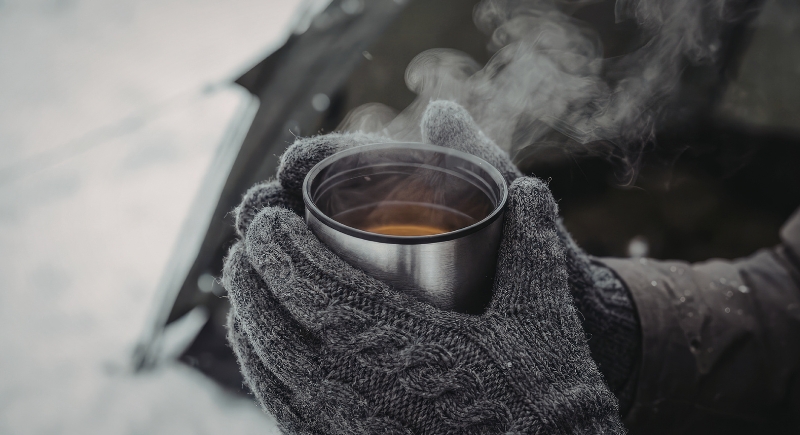
Pack high-calorie foods such as nuts, peanut butter, energy bars, and other dense snacks that will not freeze solid. Eat a steady portion before resting to ensure your body has fuel to produce heat through metabolism. Warm meals can also support heat production during long exposure. In addition, drink water regularly and keep containers insulated to prevent sub-zero temperatures.
Move With Control, Not Panic
Credit: pexels
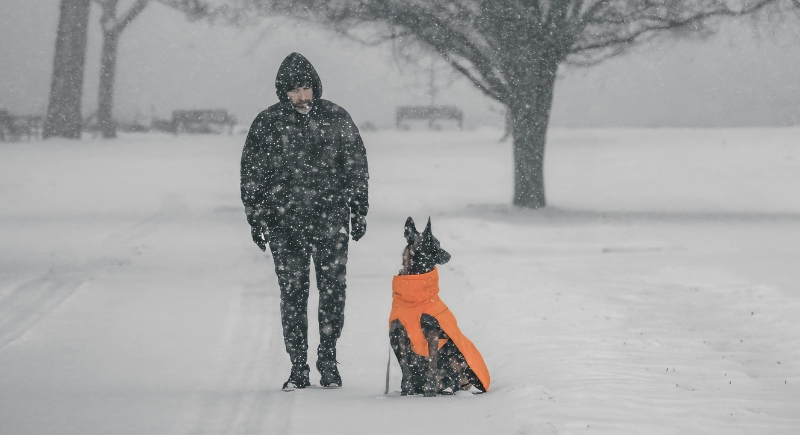
Remember, light movement stimulates circulation and helps maintain body temperature. Flex your fingers, rotate your shoulders, or walk short distances when safe. But make sure not to indulge in intense bursts of activity that create sweat. This is because sweat leads to moisture, which later speeds up cooling.
Stay Inside the Vehicle If Stranded
Credit: Canva
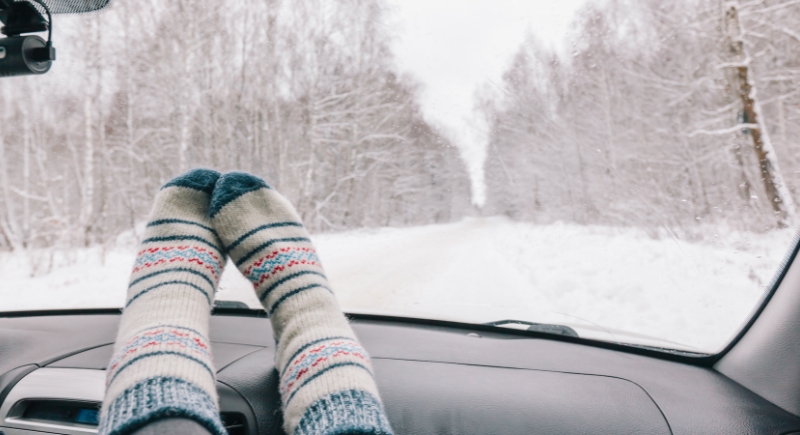
Many people panic and try to push forward through the storm because they are hoping to outrun worsening conditions. That instinct usually backfires in most situations. However, it is important to realize that search and rescue teams locate vehicles more easily than individuals, and a car provides shelter against wind and blowing snow.
Run the Engine Safely and Sparingly
Credit: Africa Images
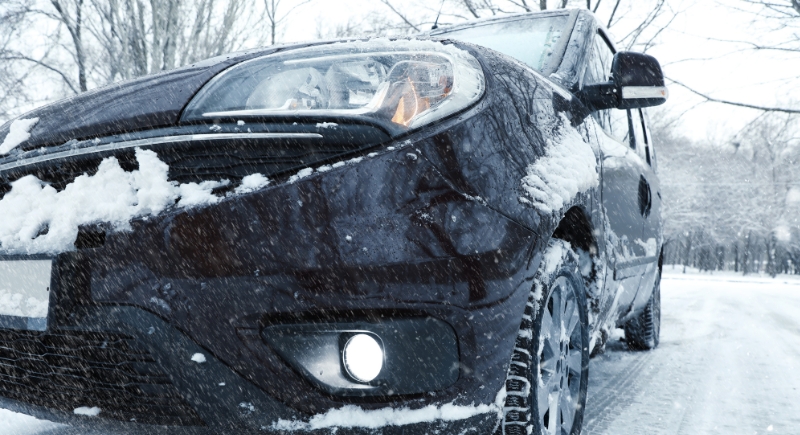
You may be using your engine for warmth throughout long waits in freezing conditions, but safety steps must guide every decision. Make sure to clear snow from the exhaust pipe before starting the engine. This is essential because blocked exhaust can cause carbon monoxide buildup, which is life-threatening.
Build Shelter Before Nightfall
Credit: Getty Images
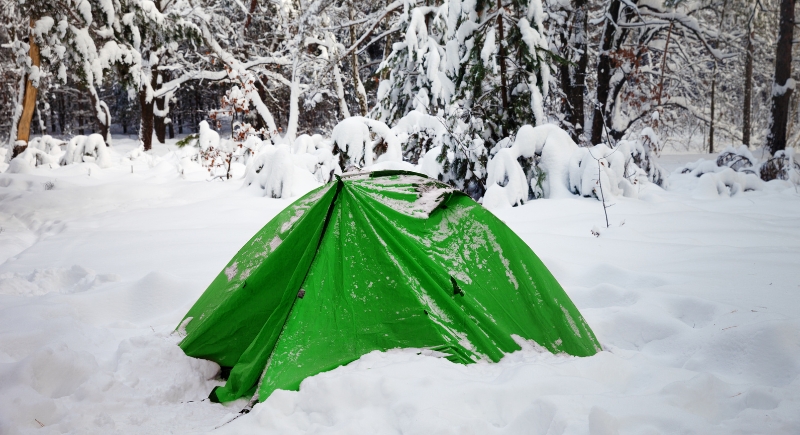
Act before darkness settles in and temperatures begin to fall sharply. Build a windbreak using snow, branches, or available debris if you do not have a vehicle for shelter. While doing so, keep the interior space small and allow your body heat to warm it more efficiently. You can also place packs, spare clothing, or branches beneath you to insulate against frozen ground.