10 “Healthy” Habits That Are Actually Damaging Your Organs
Many routines get labeled as “healthy” simply because they look disciplined or feel productive, but not all of them actually support the body. Some of the habits people rely on every day can work in the opposite direction, placing stress on organs and disrupting basic systems. This looks at ten common practices and shows how easy it is to follow a routine that feels good in theory but quietly undermines overall health.
Overhydrating

Credit: Canva
Chugging water all day sounds harmless, yet going too hard can dilute sodium levels. When sodium levels drop, cells pull in excess water, which can cause swelling in the brain. This effect was reported in marathon runners who drank far more than their bodies needed, as well as in rare cases of water-drinking contests gone wrong.
Strict Dieting

Credit: Canva
Some people believe eating far less will lead to better health, but long stretches of undereating can weaken bones, slow metabolism, and reduce nutrient absorption. Restrictive diets can induce a state of low energy, increasing the risk of fractures in older adults and disrupting the vitamin and mineral levels necessary for organ function.
Over-Exercising

Credit: Getty Images
Exercise helps the heart, brain, and joints, but piling on sessions without recovery increases inflammation and makes injuries more likely. Overdoing it can affect the immune system and raise stress hormones that interfere with sleep and mood. Older adults are especially vulnerable because muscles repair more slowly as the years go by.
Plant-Based Eating Without Strategy
Credit: Canva
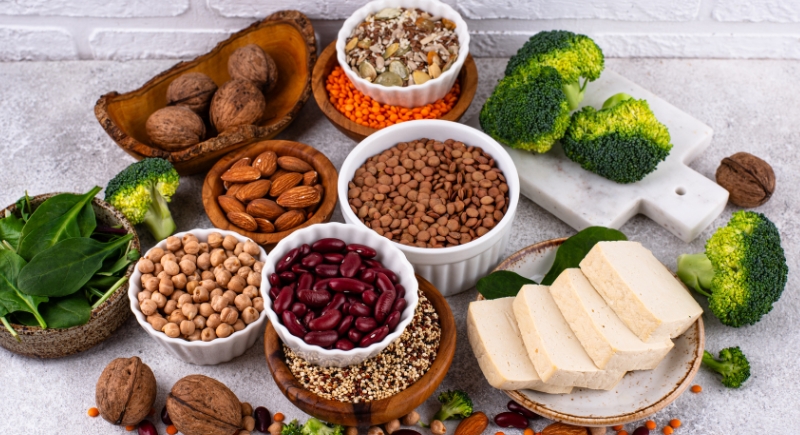
A plant-focused diet can be effective, although skipping key nutrients can lead to issues. Iron and zinc from plant foods absorb poorly compared to animal sources, which can bring on fatigue, brittle nails, thinning hair, and low body temperature. Many people assume volume equals nutrition, but bioavailability plays a big role in how organs receive minerals.
Chronic Fasting

Credit: Getty Images
Intermittent fasting works for some, but squeezing food into tiny windows raises cortisol and encourages the body to burn muscle when energy gets too low. Studies show repeated long fasts reduce lean mass, shift reproductive hormones, and interfere with normal sleep cycles. That rush of focus during long fasts is often a stress response, not improved clarity.
Sleeping In On Weekends

Credit: pexels
Sleeping longer on off-days feels comforting, although “catching up” does not fix the strain caused by workweek sleep loss. Switching wake times confuses circadian rhythms that regulate heart function, blood sugar, and digestion. Research shows that weekend binge-sleeping fails to reverse metabolic changes triggered by routine sleep restriction.
Avoiding Fats

Credit: Getty Images
Healthy fats help produce hormones that support mood, energy, and fertility. Cutting out foods like eggs, olive oil, nuts, and fatty fish can disrupt these hormone pathways and affect vitamin absorption. Vitamins A, D, E, and K require fat to move through the digestive system, so avoiding fat makes it harder for organs to function properly.
Juice Cleanses
Credit: Aflo Images
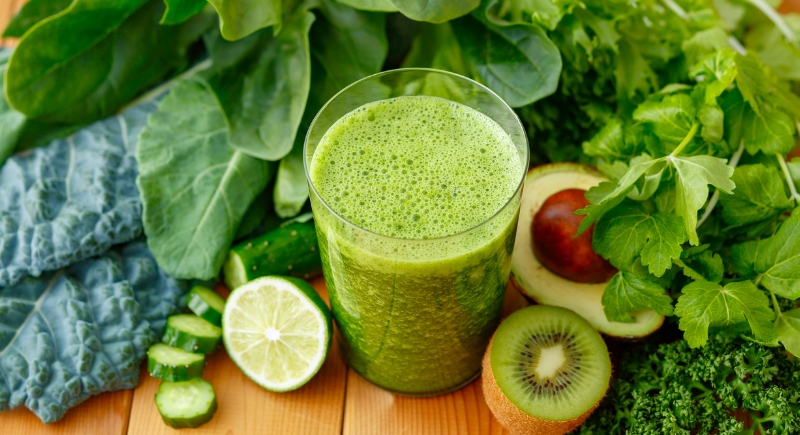
Juicing looks refreshing, but a cleanse that replaces full meals removes fiber, lowers calorie intake, and can shift electrolytes. Some detox products include untested additives that put stress on the liver and kidneys. The body already filters toxins through the liver, kidneys, and lymphatic system without outside help.
Daily Red Wine

Credit: Getty Images
Red wine contains antioxidants, but drinking it every night burdens the liver and increases inflammation over time. Regular intake raises the risk of high blood pressure and cognitive decline in older adults. Even moderate levels can hit harder with age due to changes in metabolism and hydration.
Over-Cleansing Skin

Credit: Africa Images
Washing the face multiple times a day strips the acid mantle that protects the skin. This thin layer supports microbes that prevent dermatitis, acne, and irritation. Harsh cleansers containing alcohol or strong surfactants damage this barrier, leaving the skin more reactive. A gentle wash once or twice a day supports the skin’s natural system far better.