No Sunscreen, No Schedules, No Problem: What Summer Looked Like Before Overscheduling
For many children in the 1980s and 1990s, summer followed a simple routine once school ended. Days were long and mostly unplanned, with plenty of time spent outdoors or with friends. Modern research on child development shows that unstructured time supports creativity and independence. Before packed calendars and constant activities, summer moved at a slower pace that many parents still remember today.
Riding Around Until You Find Someone
Credit: Canva
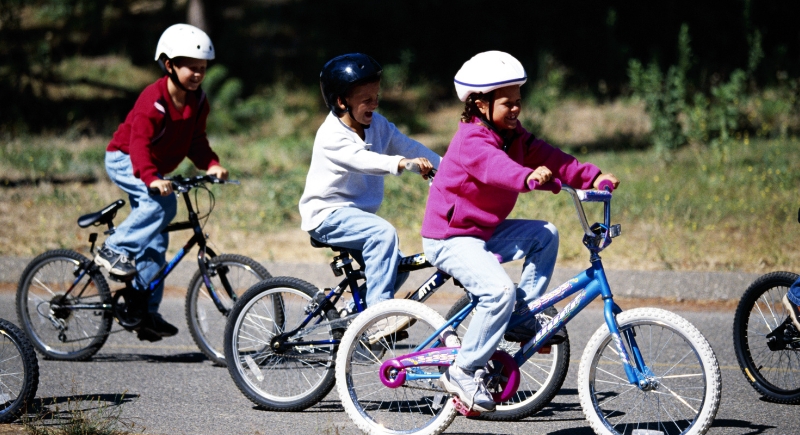
A typical summer afternoon often began with a bike ride and a rough plan that formed along the way. Kids pedaled through neighborhoods, checking driveways and front yards for familiar bikes. If a friend’s bike leaned against the porch, that meant someone was home.
The Garden Hose Water Fountain
Credit: pexels
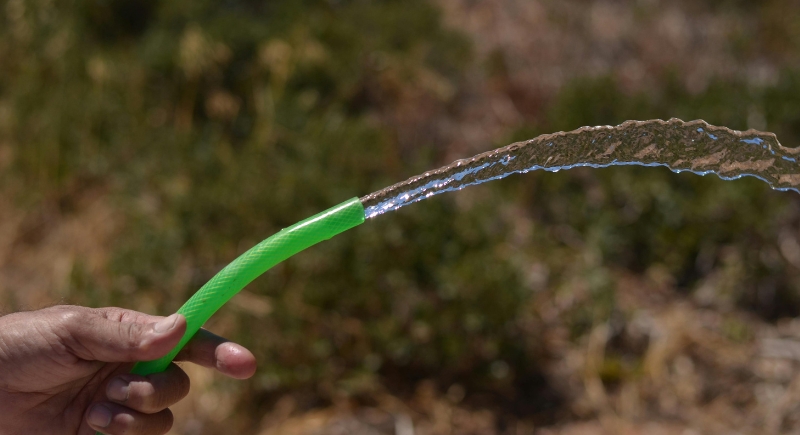
The backyard hose doubled as a quick water stop during long afternoons outdoors. Turn the handle, let the warm water run for a few seconds, then take a drink. Outdoor play lasted long enough that heading inside for water felt like an interruption, so the hose became the fastest solution.
Movie Day With A Pocketful Of Change
Credit: Getty Images
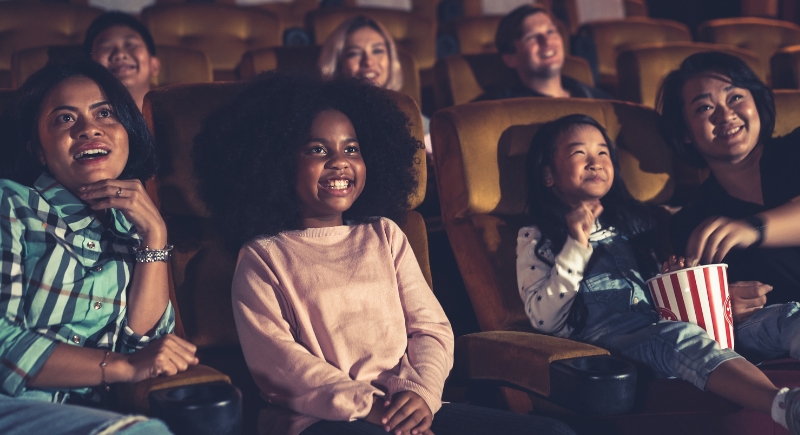
Matinee tickets cost less than evening shows, which made weekday screenings popular with kids who suddenly had free time. A few dollars usually covered the ticket and a small snack. The baseball film The Sandlot, released in 1993, became a staple of that era and still shapes how many people picture summer friendships.
Pickup Games That Organized Themselves

Credit: pixabay
A basketball hoop nailed above a garage door could turn into a neighborhood gathering point within minutes. Someone would show up with a ball, and players would slowly appear. Teams shifted throughout the afternoon as people wandered over.
The Ice Cream Truck Chase
Credit: Getty Images
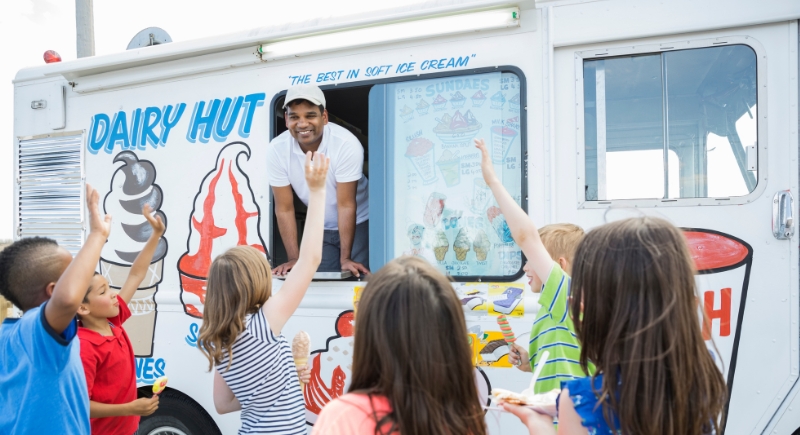
Few sounds triggered excitement like the distant melody of an ice cream truck drifting through the neighborhood. Kids sprinted toward the curb with a handful of coins. The ritual spread widely across suburban America in the 1970s and stayed strong for decades.
Whole Days At The Pool

Credit: Canva
Public pools acted as unofficial gathering places during heat waves. Families bought seasonal passes that allowed kids to swim nearly every day. Lifeguards kept watch while groups of friends rotated between diving boards, snack bars, and lounge chairs.
Wandering Without A Destination
Credit: Getty Images
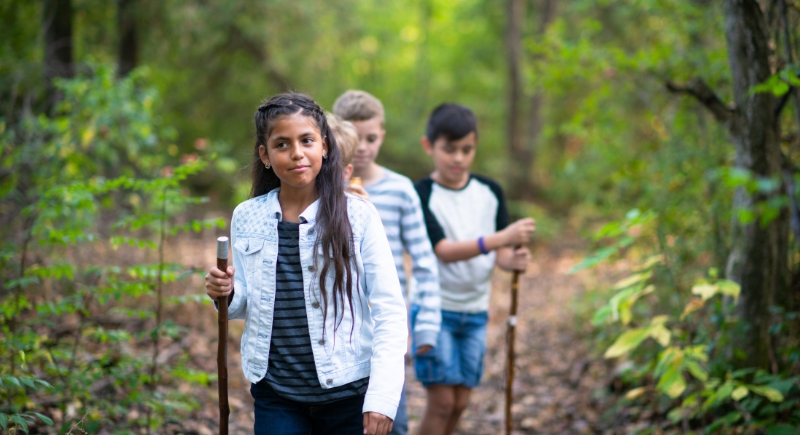
Kids walked along tree-lined streets or explored small patches of woods nearby. Play researchers often describe this type of roaming as a training ground for independence. Without constant instructions, children practiced making decisions about where to go and how long to stay.
Library Visits That Turned Into Reading Marathons

Credit: Getty Images
Public libraries offered a cool place to escape the heat. Many kids arrived with the simple goal of grabbing one book. An hour later, they still sat in the same chair flipping through stacks of stories. Summer reading programs started gaining traction in the late 20th century after librarians noticed that school breaks often led to a drop in reading practice.
The Landline Phone Strategy
Credit: pexels
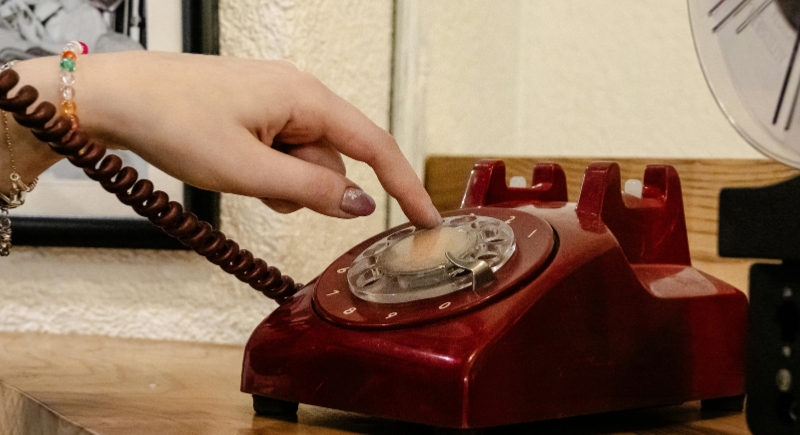
Calling a friend involved dialing a house phone and waiting to see who answered. Sometimes, a parent picked up first and passed the receiver along. Everyone shared the same phone, and calls stayed brief.
Streetlights Signaled The End Of The Day
Credit: Getty Images
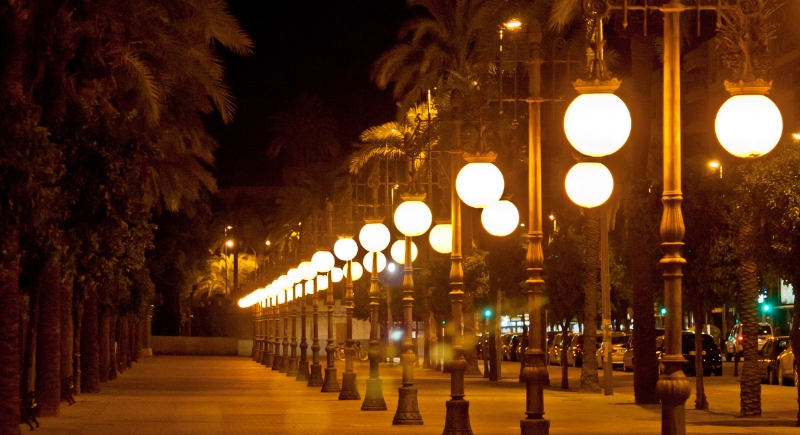
Streetlights once served as the unofficial signal that summer playtime had wrapped up. As dusk settled, parents called children home for dinner or bedtime. The routine remains common in countless memories shared by adults who grew up before smartphones.