Summer Camp in the ’80s and ’90s Was the Last Great Screen-Free Childhood Experience
Nobody called it a “digital detox” in the 1980s and 1990s. For those kids, camp was a continuation of everyday life, but more concentrated, social, and demanding. You woke up, followed a schedule, spent most of the day outside, and dealt with whatever came your way using the people and resources around you.
Today, that same level of immersion is difficult to recreate.
A Schedule That Kept Kids Engaged
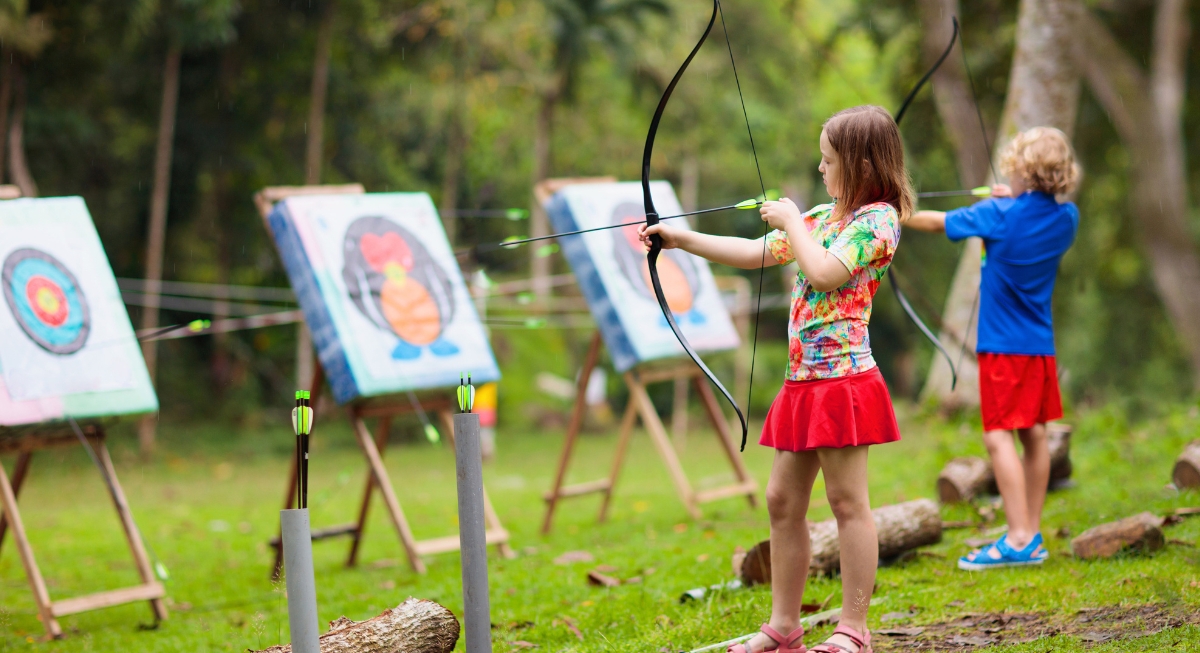
Image via Getty Images/FamVeld
Camp days followed the same routine. Mornings were spent on activities like canoeing or archery; afternoons included swimming or team games; and evenings brought everyone together for group events.
This structure reduced long stretches of idle time. With fewer interruptions and a clear flow from one activity to the next, kids were more likely to stay focused on what they were doing. And while participation wasn’t enforced in every moment, the setup made it the easiest path. If your group was heading to an activity, you went with them. If a game was underway, you joined in.
This kind of environment helped kids build skills through experience. They learned how to paddle by getting in the water, understood teamwork by playing through wins and losses, and worked through small challenges without stepping away from the situation.
Social Interaction Took Center Stage
ince camp life placed kids in shared spaces for most of the day, meals, cabins, and activities all involved the same group of people, which meant regular interaction.
Without devices acting as a fallback, kids spent more time reading tone, expressions, and reactions. This built familiarity with social cues over time. Research supports this pattern. In one study, children who spent five days at a screen-free camp improved their ability to recognize nonverbal emotional cues compared to peers who continued regular media use.
Independence Developed Through Everyday Situations

Image via Canva/Sergey Novikov
Camp environments encouraged independence. Kids were responsible for their belongings, expected to follow schedules, and often worked through small problems without immediate help. There wasn’t always a quick answer available, which meant trying different approaches and adjusting when things didn’t work.
Part of what made camp effective in that era was that it didn’t feel disconnected from everyday life. Outside of camp, many kids spent their time playing outdoors, creating their own games, or interacting face-to-face with friends. Technology existed, but it didn’t consistently shape how time was used.
What Changed Is the Competition for Attention
The biggest shift today is the presence of constant digital options. Screens are designed to keep users engaged, often using reward systems that make it harder to step away, especially for younger users.
When unstructured time opens up now, devices are often the most accessible option. So there are changes in how time is spent and how easily attention shifts away from in-person activities. Staying off screens today usually requires more deliberate effort.
Why Camp Still Works Today

Image via Canva/Andrei Stoica’s Images
Modern camps can still create similar conditions, but they do so intentionally. Devices are typically removed, and the schedule is designed to keep campers engaged. With everyone following the same structure, many kids adjust quickly and begin to focus on the activities around them. Studies show that camp experiences are linked to improvements in independence, social awareness, and the ability to stay present.