Fake Documentaries That Successfully Fooled Millions of Viewers
People usually expect documentaries to use facts, not staged scenes or invented experts. The expectation makes it surprisingly easy for a convincing hoax to slip past critical thinking. Some of the most talked‑about fake documentaries have sparked public statements, created national debates, and reshaped how people interact with media.
These films and TV specials succeeded because they understood how to look credible on screen, and many reached audiences who had no reason to question what they were watching.
Mermaids: The Body Found

Credit: IMDb
In 2012, Mermaids: The Body Found aired with the tone and structure of serious science reporting. It used CGI, fake sonar data, and staged interviews to argue that mermaids exist and the government was covering it up. The only disclaimer came during the credits, which most viewers missed. The result was confusion and complaints to NOAA.
Alien Autopsy: Fact or Fiction
Credit: IMDb
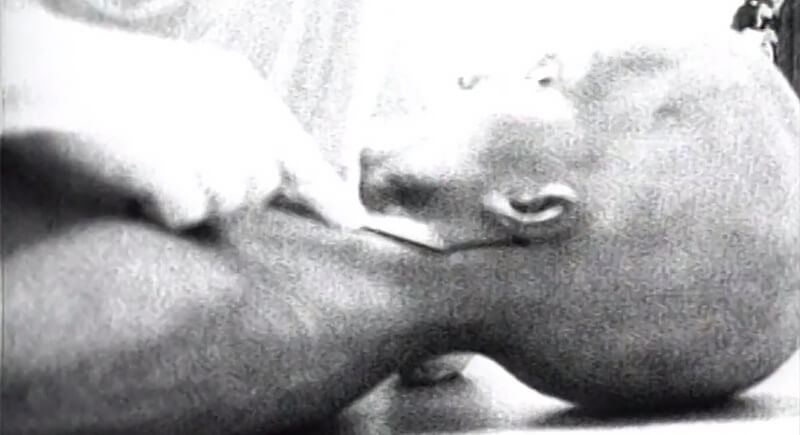
When Fox broadcast Alien Autopsy in 1995, it presented shaky footage of an alleged alien autopsy as genuine. The film was reportedly shot by a military cameraman whose identity couldn’t be revealed. Kodak verified that the film stock was old, but provided no further details. Years later, one of the producers admitted the entire thing was staged in a London apartment.
The Blair Witch Project
Credit: IMDb
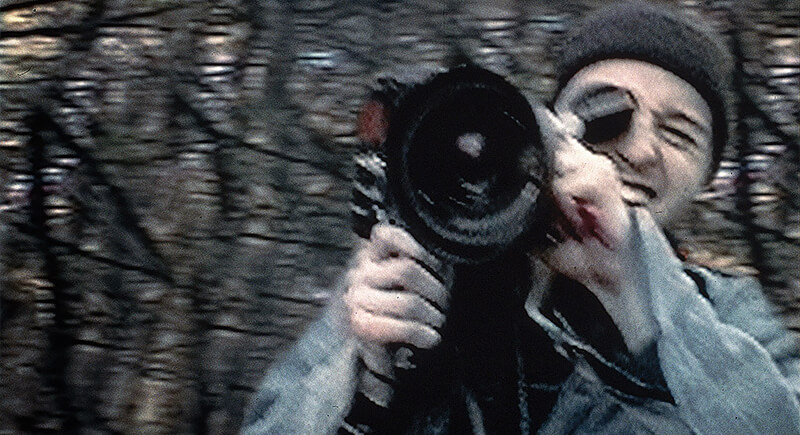
The filmmakers behind The Blair Witch Project released a movie and inadvertently created an entire legend. Before the 1999 premiere, they launched a website filled with fake police reports, photos, and timelines. IMDb listed the cast as “missing,” and actors stayed out of the spotlight. Many moviegoers believed the footage showed actual students who had become lost in the woods.
Super Size Me
Credit: IMDb
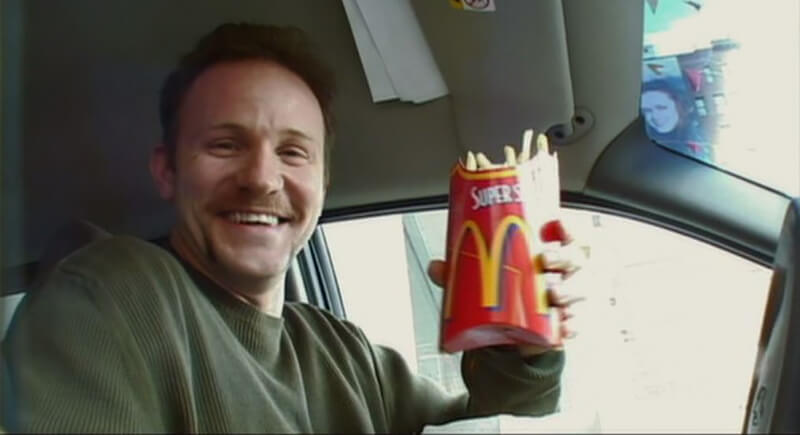
By following Morgan Spurlock through a month‑long McDonald’s-only diet, Super Size Me showed severe physical changes that the audience accepted as direct evidence of fast food’s dangers. The documentary highlighted rapid weight gain and liver issues that seemed tied to the menu. More than a decade later, Spurlock admitted he drank heavily during filming, which could explain the liver damage.
Spaghetti Tree Hoax

Credit: Wikipedia
On April 1, 1957, the BBC debuted a three-minute segment showing a Swiss family harvesting strands of spaghetti from trees. It resembled any other BBC newsreel, complete with serious narration, scenic shots, and a calm pacing. At the time, many British watchers didn’t know much about pasta. Calls flooded the station with questions about how to grow spaghetti.
Forgotten Silver
Credit: IMDb
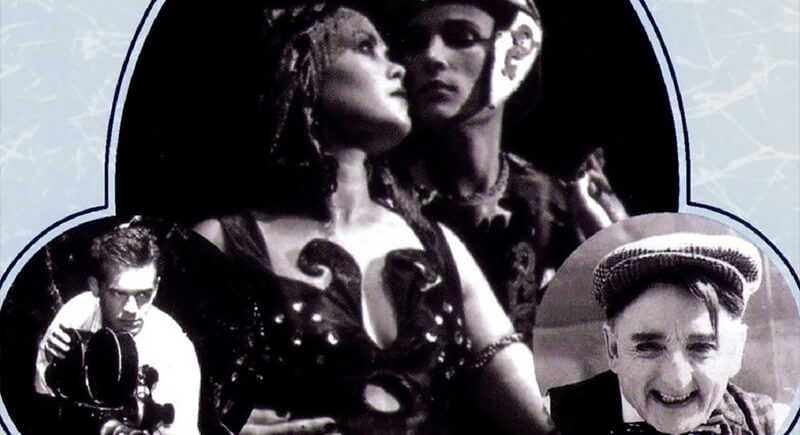
Peter Jackson’s Forgotten Silver told the story of Colin McKenzie, a forgotten New Zealand film pioneer. The documentary claimed he invented the first talkies, flew before the Wright brothers, and created several techniques decades ahead of his time. It was released during a slot reserved for serious programming, which helped sell the lie.
Love Mobile

Credit: IMDb
Love Mobile appeared to follow intimate workers in Germany, who lived in neon-lit roadside trailers. After it won awards, an editor alerted journalists that much of the footage was fake. Investigators confirmed that actors had been used, scenes were scripted, and the plot was invented.
Loose Change
Credit: IMDb
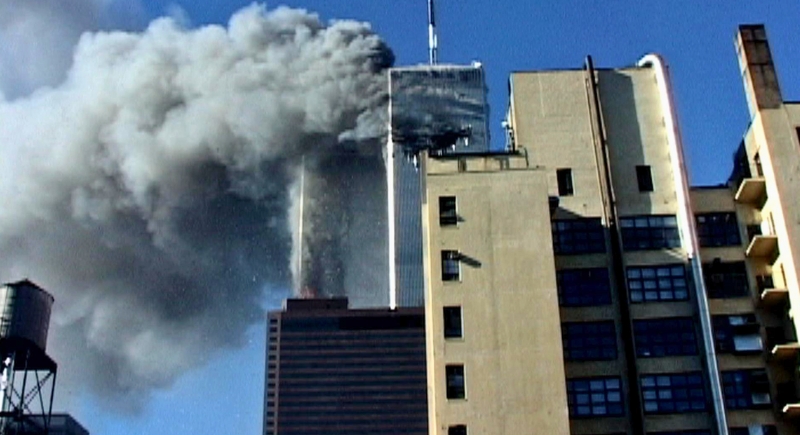
Loose Change promoted the theory that the U.S. government was involved in staging some of the most devastating attacks. It employed fast editing, dramatic music, and carefully selected footage to keep viewers hooked. When specific claims fell apart, the filmmakers released updated versions of the film.
Ghostwatch
Credit: IMDb
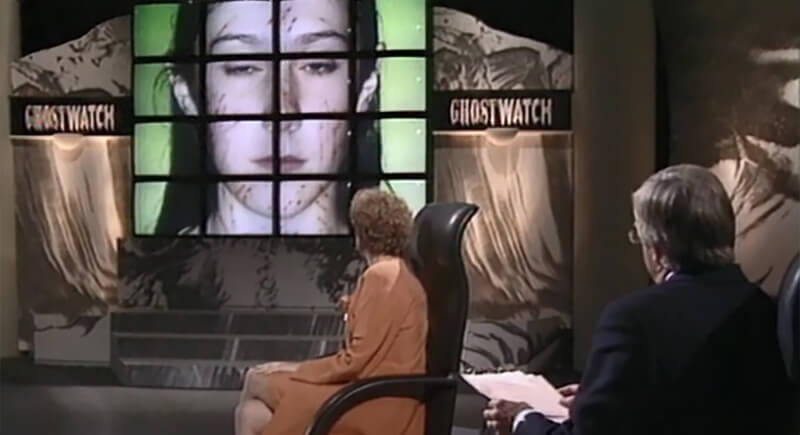
The BBC presented Ghostwatch as a live broadcast in 1992, which showed a haunted house investigation with authentic TV hosts. It used realistic pacing and gradual tension to build the story. Individuals believed the events were happening live, and over 30,000 people called the station.
Cannibal Holocaust
Credit: IMDb
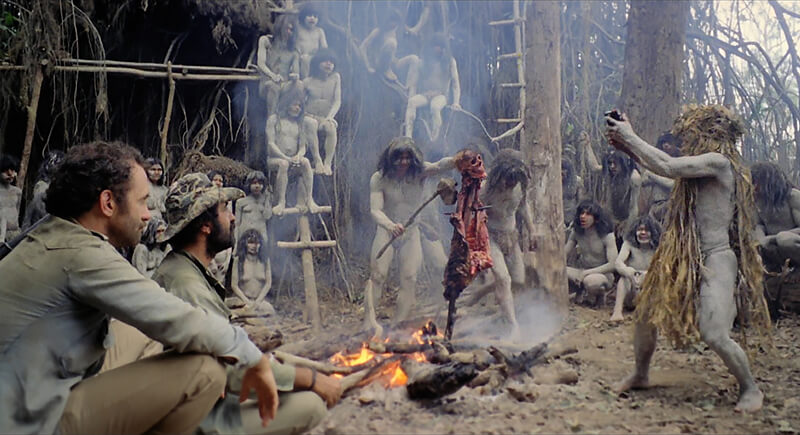
Cannibal Holocaust presented its fictional film crew as if their recovered footage were genuine. The realism created suspicion so intense that authorities charged the director with taking someone’s life until he produced the actors alive in court.