9 Bizarre Subcultures From Around the World
Not every subculture looks like one. Some groups form online or off, around specific beliefs, habits, or looks that set them apart from the rest of the world. They may seem strange from the outside, but to those involved, these lifestyles feel personal and purposeful.
These subcultures challenge the idea of what’s considered normal in the first place.
Otherkin Identify as Nonhuman Beings

Credit: Youtube
Participants in the Otherkin community believe they are fundamentally different from humans. Some say they are dragons, elves, or other mythological entities, due to past-life memories or nonhuman souls. The term gained visibility in early Internet spaces, such as Elvenkind Digest, in the 1990s and remains rooted in online discussion forums.
Norwegian Black Metal Rejected Organized Religion

Credit: Wikimedia Commons
In the early 1990s, Norway, black metal bands like Mayhem and Burzum were tied to a series of church burnings and violent crimes. The subculture distanced itself from mainstream metal and embraced anti-Christian themes and Norse mythology. The music was just one part of a much darker ethos.
Sukeban Groups Maintained Harsh Internal Discipline
Credit: Instagram
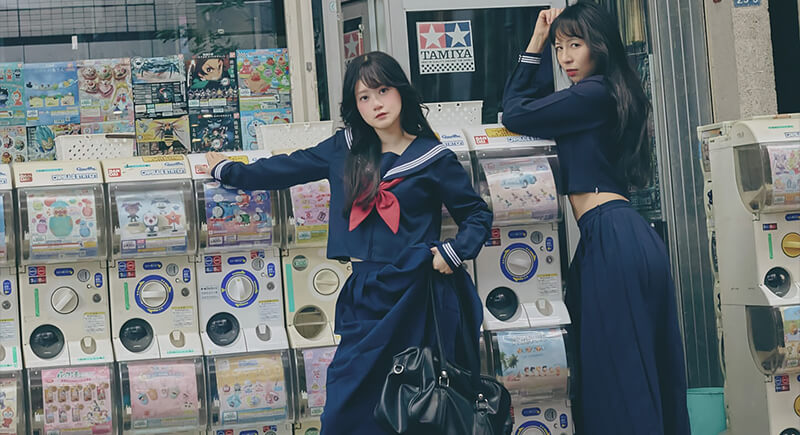
Sukeban weren’t rebellious loners. These Japanese girl gangs operated with bylaws, ranks, and uniforms. Members wore long skirts and carried weapons, but what really set them apart was their structure. Breaking rules could mean public punishment. In some cities, entire schools were unofficial Sukeban recruitment grounds.
Bōsōzoku Riders Focused on Street Presence Over Speed
Credit: Wikimedia Commons
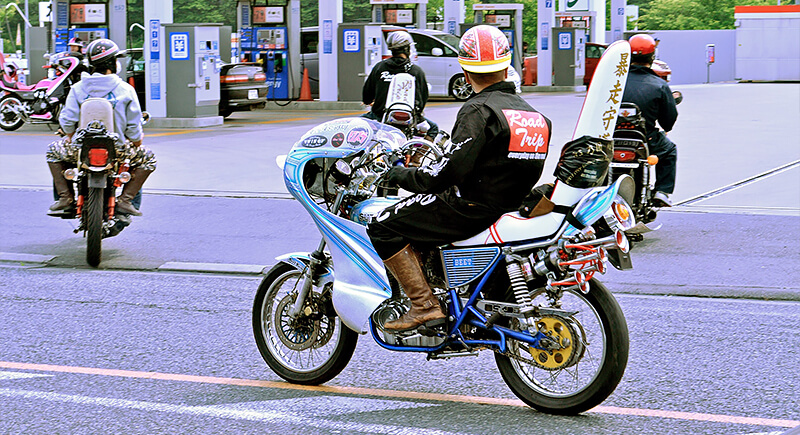
These Japanese biker gangs moved in formation, riding slowly and revving loudly while wearing military-style outfits. Many customized their bikes with extended handlebars and bright paint. Their goal was disruption. Police often struggled to control them as the line between protest, rebellion, and style blurred.
Lolita Fashion Reimagined Childlike Dress With Structure
Credit: Wikimedia Commons
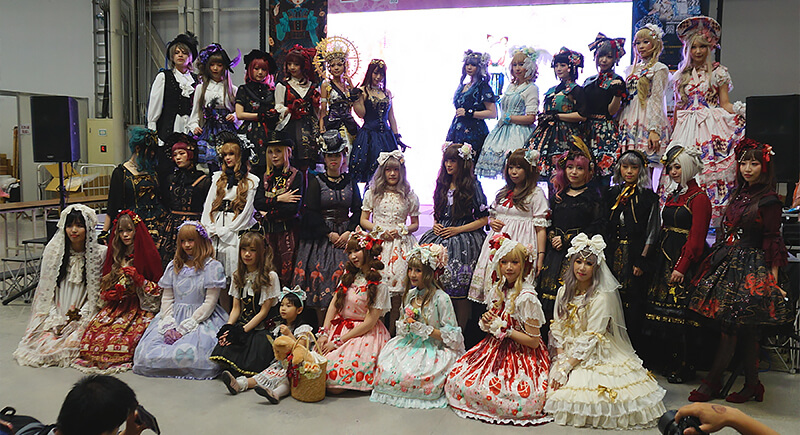
Inspired more by antique dolls than runway models, Lolita fashion became a rule-heavy subculture in 1980s Japan. It wasn’t cosplay. Participants followed strict guidelines around silhouette, lace, and petticoats. Substyles emerged—Gothic, Sweet, and even Pirate. Public misunderstandings often framed it as infantilizing, but inside the subculture, self-discipline and modesty mattered more.
Gothic Fashion Used Darkness and History to Stand Apart
Credit: Wikimedia Commons
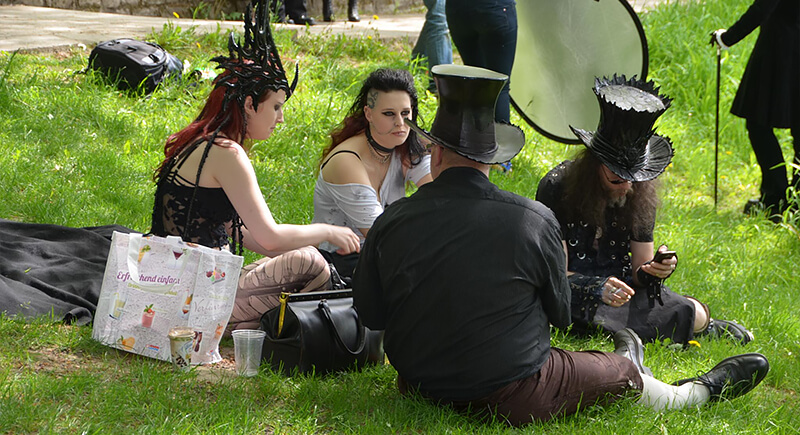
Often associated with dyed black hair, dramatic makeup, and layered black clothing, Gothic fashion draws from the mourning wear of the Victorian and Elizabethan eras. Fetish elements sometimes appear, and designers such as Alexander McQueen and John Galliano have incorporated Gothic influences into their runway collections.
Hardline Advocated Total Rejection of Modern Consumption
Credit: Wikipedia
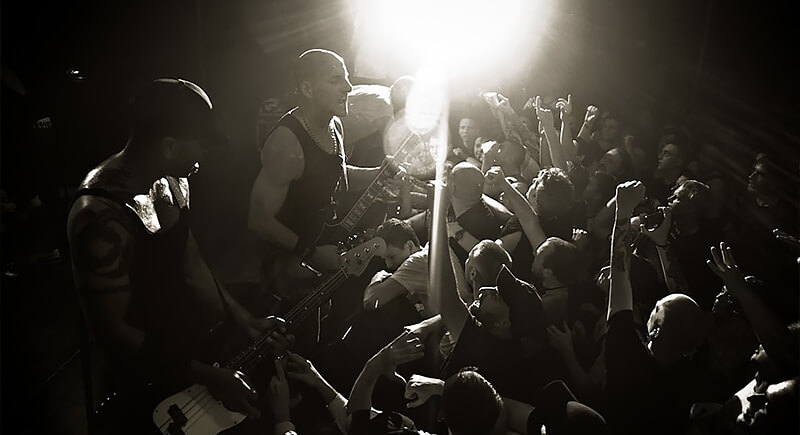
Sean Muttaqi’s band, Vegan Reich, played a central role in organizing the Hardline movement. It began as a strict offshoot of straight edge punk—no drugs, no alcohol—but added veganism, anti-consumerism, and even opposition to common food imports like coffee and bananas. It rejected modern medicine, promoted natural healing, and supported controversial positions like anti-abortion stances. For adherents, it was a war on compromise.
Floggers in Argentina Built Status Through Photoblogging
Credit: Reddit
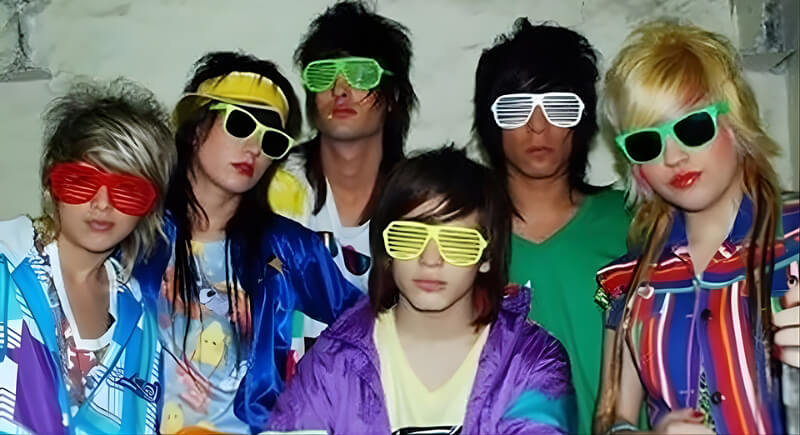
Before Instagram, there were Floggers. These were Argentine teens who dominated the photo-sharing platform Fotolog in the late 2000s. Their look leaned pop-punk with tight jeans, big headphones, and flat-ironed hair. Success was measured in comment counts, and some top users became local celebrities. Offline meetups drew huge crowds, with spontaneous dance battles not uncommon.
Bagel Heads Modified Their Foreheads With Saline
Credit: Wikipedia
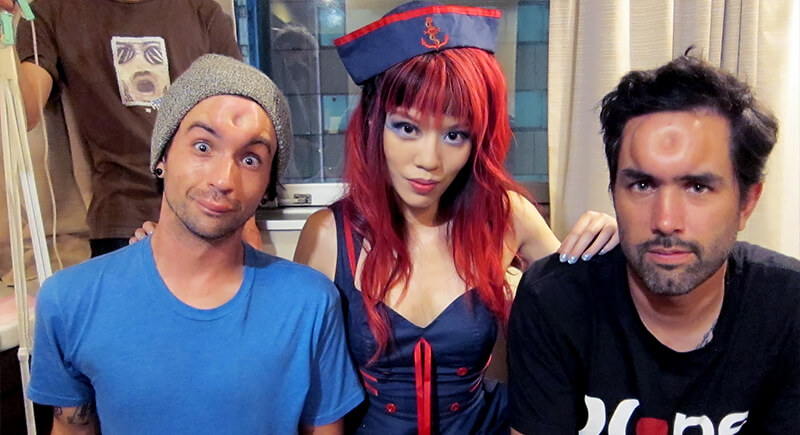
This short-lived body modification trend involves injecting saline into the forehead until a swollen ring forms. The shape, resembling a bagel, disappears within hours. Although it began in Canada, the practice was most widely documented in Japan, where it drew criticism from health professionals due to safety concerns.