This Year’s Flu Season Is Surprisingly Fierce and Here Is What You Need to Know
People usually expect flu season to hang around a few months and disappear by spring. That’s not how this one is going. The 2025–2026 season is hitting faster and harder than usual, and health experts are keeping a close eye on it. If the holidays didn’t bring it to your door, here’s what’s important to know before it does.
A New Flu Strain Is Causing Trouble

Credit: Getty Images
Most flu cases this season are linked to a version of influenza A called H3N2 subclade K. It showed up after this year’s vaccine was already finalized and has mutated enough to slip past some immune defenses. That’s one reason people are getting sick even if they’ve been vaccinated. The strain is widespread and still gaining momentum.
Flu Is Beating Out COVID in Some Hospitals

Credit: Getty Images
In many hospitals, flu is leading to more admissions than either COVID or RSV. At Yale New Haven Health, for instance, doctors reported 10 times as many patients hospitalized with the flu as with COVID. The shift has surprised some physicians, especially after several years of COVID-dominant winters.
Kids Are Getting Hit Especially Hard

Credit: Canva
Young children, especially those under five, have seen higher rates of infection and hospitalization. That’s partly because they haven’t built up much immunity to H3N2 strains. Many have never encountered this one. Schools and daycare centers are also ideal settings for transmission.
The Vaccine Still Helps—Even If It’s Not a Perfect Match

Credit: Canva
This year’s vaccine wasn’t tailored to subclade K, but it still helps. It’s shown to lower the risk of severe illness and hospitalization, even when it doesn’t entirely block infection. Early data from the UK shows kids who got the nasal spray version were 70% less likely to end up in the hospital.
Flu Symptoms Are Sudden and Intense

Credit: Canva
Flu still carries that “hit-by-a-truck” feeling—fever, body aches, chills, and exhaustion that progress fast. Doctors say many patients can remember exactly what they were doing when symptoms started. Unlike COVID, which tends to build more slowly, the flu tends to crash in quickly. Gastrointestinal issues are more common in kids, while adults typically report respiratory and muscular symptoms.
Antiviral Medications Work Best Early
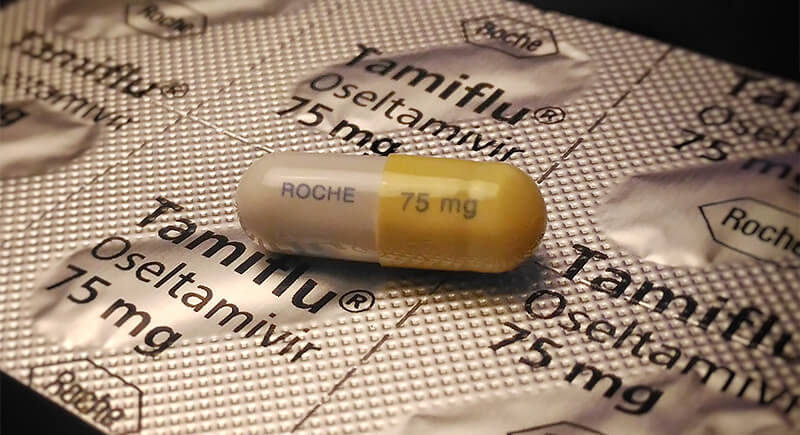
Credit: Wikimedia Commons
Tamiflu and similar medications can shorten flu duration and reduce the chance of complications, but they need to be taken early, ideally within 48 hours of symptoms starting. Some people wait too long and miss the treatment window. Pharmacists may be able to fill a prescription after a positive home test, but it depends on policy.
There’s a New Flu Drug on the Market
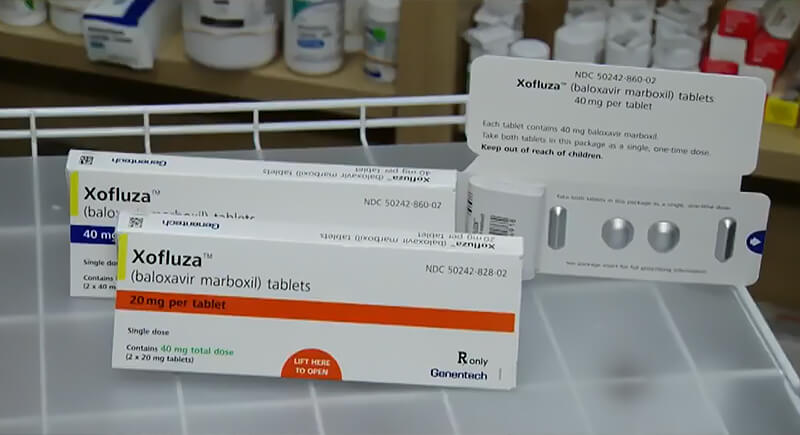
Credit: Youtube
Xofluza is a newer flu antiviral that works in a single dose and may cause fewer side effects than Tamiflu. It’s approved for people ages five and older. Unlike Tamiflu, which some strains resist, Xofluza may be more effective in certain cases. It can cost more, though—without insurance, it’s about $200.
Test Kits Can Help You Act Faster

Credit: Reddit
Flu, COVID, and RSV can look similar in the first few days. That’s where home tests can come in handy. Over-the-counter kits are available that test for one or all three viruses. If someone in the household tests positive, others might be eligible for preventive antivirals to help stop the spread.
The Flu Shot Might Protect Your Heart and Brain Too

Credit: Canva
Research shows a lower risk of heart attacks and possibly even Alzheimer’s in vaccinated individuals. A 2022 study found flu shots cut heart attack risk by about 34% in the year after vaccination. There’s also emerging data linking flu shots with better long-term brain health outcomes.
There’s Still Time To Get Vaccinated

Credit: Canva
Flu season often stretches into April or even May. That means it’s not too late to get vaccinated, even if it feels like you missed the boat. It takes around two weeks for your body to respond to the vaccine, so sooner is better, but later is still worth it.