Stop Toilet Rings in Their Tracks With These Easy Solutions
Toilet rings might seem inevitable, but they don’t have to be. These unsightly stains can make even the cleanest bathrooms look neglected, but with the right approach, they’re completely manageable. By understanding what causes them and using a few simple, effective solutions, you can keep your toilet bowl spotless with minimal effort. Let’s explore how you can stop toilet rings in their tracks and maintain a sparkling clean bathroom.
What Causes Toilet Rings?
Credit: iStockphoto
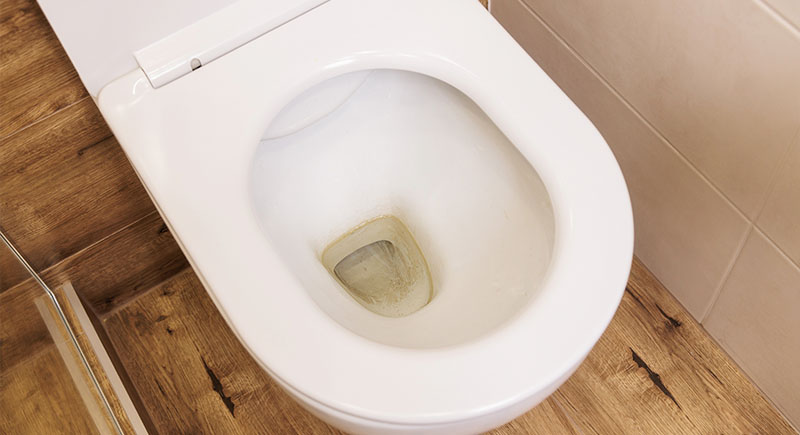
Toilet rings form when minerals, mold, or bacteria accumulate at the waterline. Hard water is often the main culprit, leaving behind deposits of calcium and magnesium that settle over time. Even clean water can eventually lead to staining if it isn’t disturbed regularly. Mold and bacteria only add to the problem, creating discoloration and odors.
Keep a Routine Cleaning Schedule
Credit: pexels
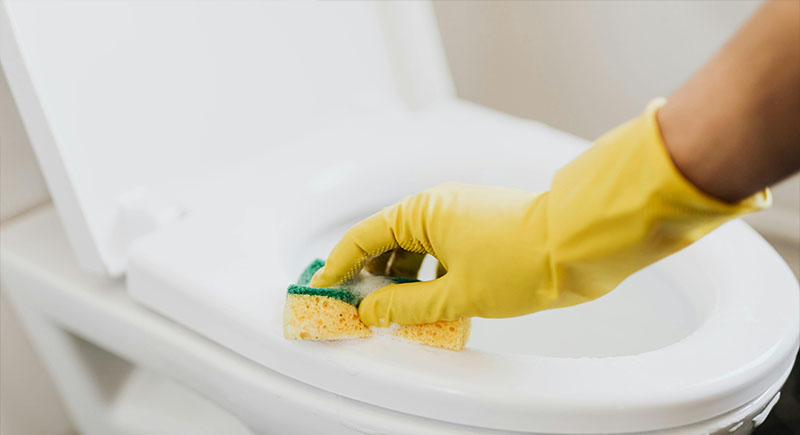
Consistency is the name of the game when it comes to toilets. Giving your bowl a quick clean once a week can save you hours of scrubbing down the line. If the toilet doesn’t get much use, it’s easy to forget about it. Even those guest bathrooms deserve some attention now and then to stop rings from forming.
The Power of a Mild Cleaner
Credit: pexels
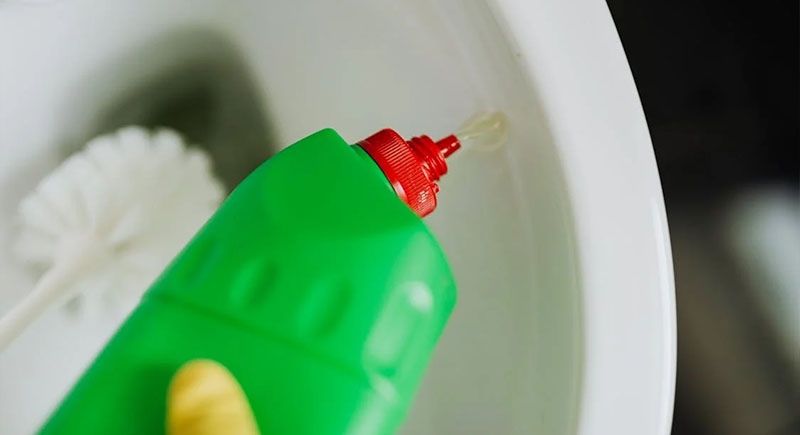
A gentle, effective cleaner can work wonders in tackling those stains. Look for products designed specifically for porcelain, as harsher formulas can leave scratches that trap grime. After applying the cleaner, let it sit for a few minutes before scrubbing to give it time to break down stubborn buildup.
Flush Smarter with Automatic Cleaners
Credit: pexels
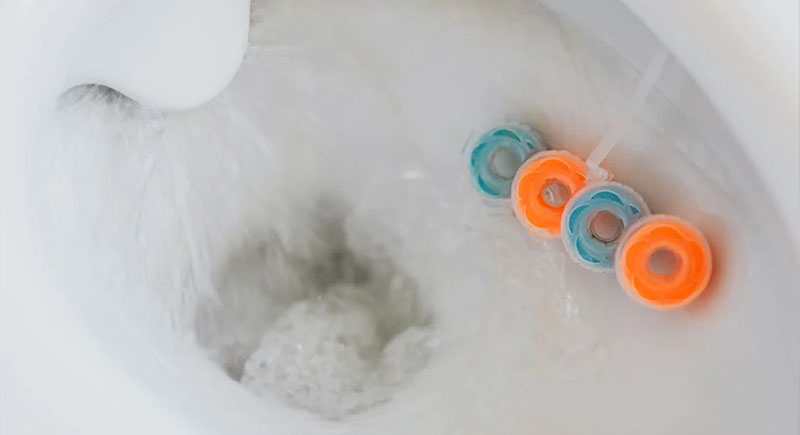
Ever heard of automatic toilet bowl cleaners? These nifty solutions release cleaning agents with each flush, keeping things fresh and preventing mineral buildup. They come in various options, like tablets or gels, and are perfect for maintaining a clean bowl between deeper cleanings. It’s like having a little helper in your tank.
Water Levels Make a Difference
Credit: Wikimedia Commons
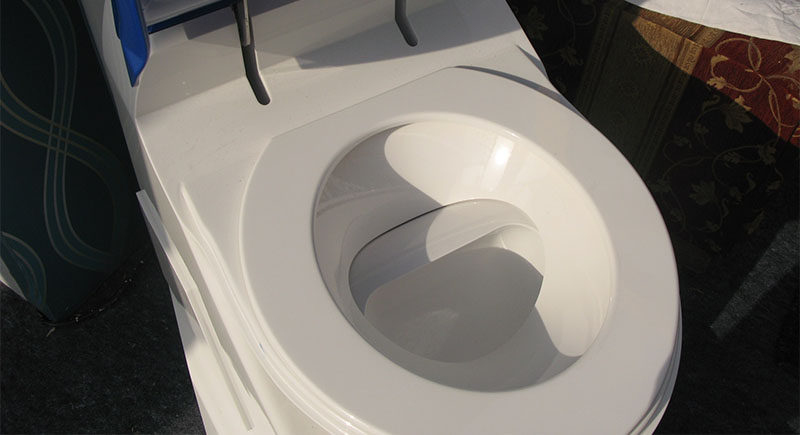
Did you know the water level in your toilet bowl could be making things worse? A high water level increases the surface area where minerals can deposit, leading to a more noticeable ring. Lowering the water level in your tank just slightly can reduce the problem without affecting your toilet’s performance.
Fight Hard Water with a Softener
Credit: pexels
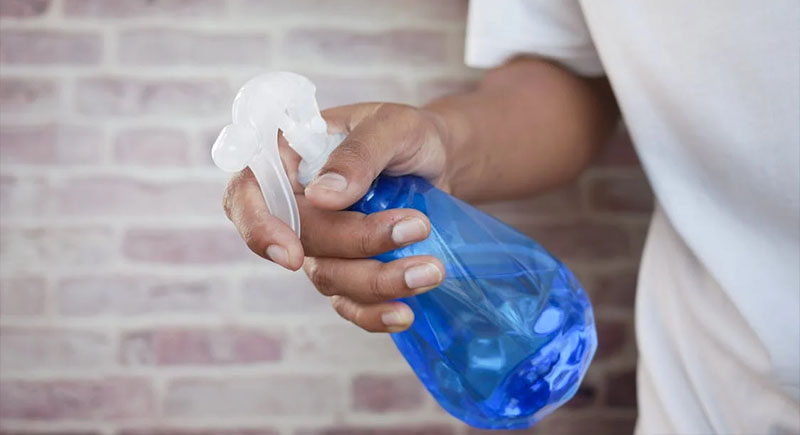
If hard water is leaving rings in your toilet, it’s likely causing issues elsewhere in your home too. Installing a water softener can reduce mineral deposits throughout your plumbing system, giving you a double win. Not only will it prevent rings, but it can also make your appliances and fixtures last longer.
Go Natural with Household Solutions
Credit: iStockphoto
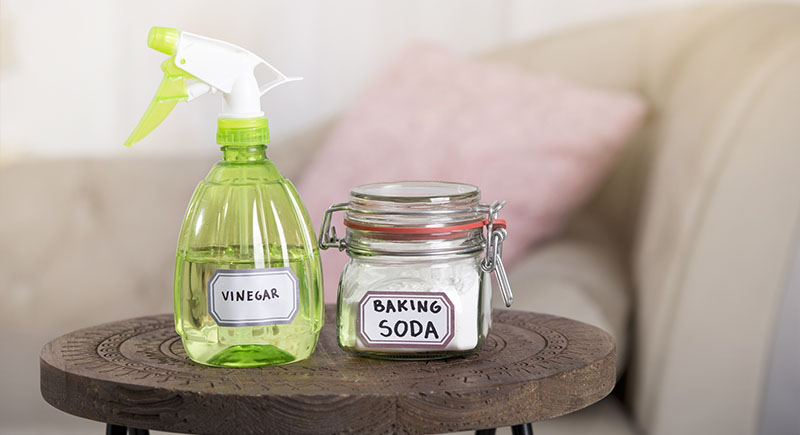
You don’t need fancy products to keep toilet rings away. Simple household staples like white vinegar and baking soda are surprisingly effective. Pour some vinegar into the bowl, let it sit for 30 minutes, then scrub with a toilet brush. For extra cleaning power, sprinkle in baking soda to create a natural, fizzy reaction that tackles stains.
Don’t Forget the Tank
Credit: Wikimedia Commons
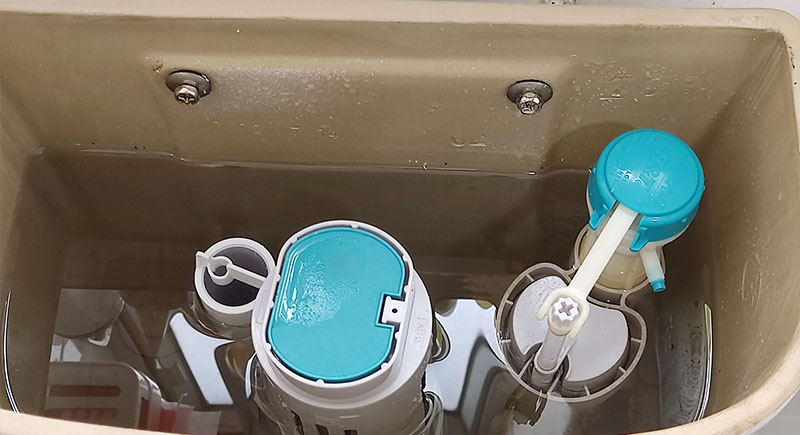
What’s happening in your toilet tank can directly impact what shows up in the bowl. Over time, mineral deposits and bacteria build up in the tank, flowing into the bowl with each flush. Cleaning the tank every few months can prevent these issues and keep your toilet looking pristine.
Scrub Smarter, Not Harder
Credit: freepik
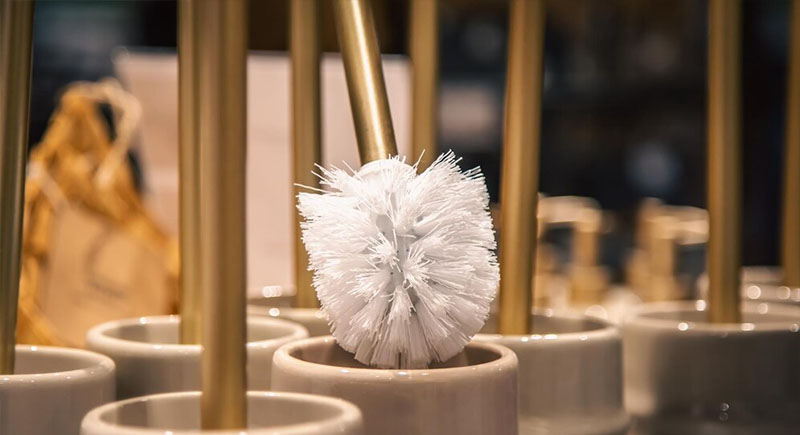
A sturdy toilet brush is your best friend when fighting rings, but the way you use it matters. Circular scrubbing motions are more effective than simply pushing the brush back and forth. Always focus on the waterline, as this is where most stains develop. And don’t skimp on rinsing the brush afterward—it deserves a clean, too!
Stop Mold Before It Starts
Credit: flickr
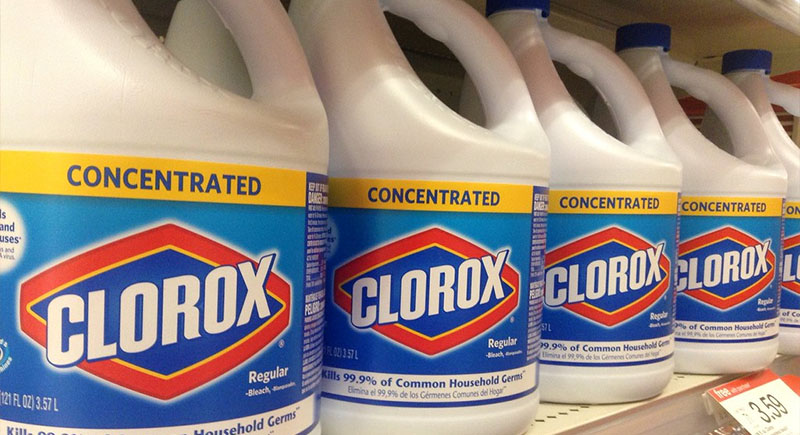
Mold thrives in moist environments, and the toilet bowl is no exception. To discourage mold growth, always flush thoroughly and leave the lid open for a little while after cleaning to let the bowl dry out. If you’re dealing with mold-prone water, adding a small amount of bleach to the bowl occasionally can help keep it at bay.
Try Pumice Stones for Tough Stains
Credit: Reddit
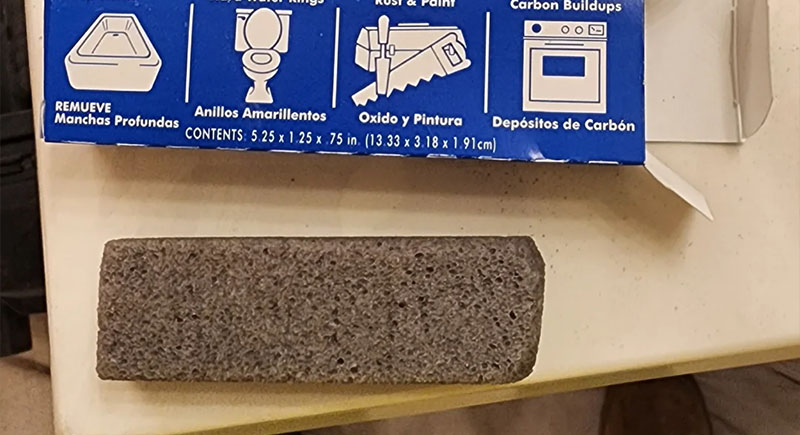
For rings that just won’t budge, a pumice stone can work wonders. These natural stones are tough on stains but gentle enough to avoid damaging porcelain. Wet the stone and the area you’re cleaning, then gently rub the stain in a circular motion. It’s a bit of elbow grease, but the results are worth it.
Keep the Bathroom Ventilated
Credit: pexels
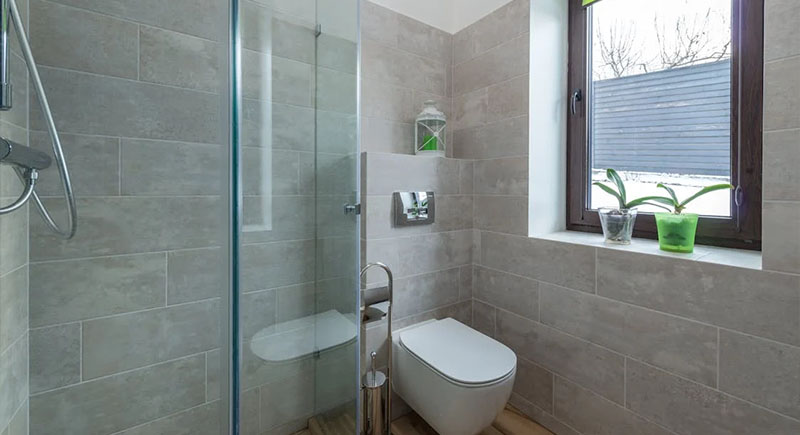
Humidity is a silent contributor to toilet rings, especially if mold is part of the problem. Good ventilation can go a long way in keeping your toilet bowl fresh. Use the bathroom fan or crack a window during and after showers to reduce moisture levels in the air.
Say Goodbye to Standing Water
Credit: iStockphoto
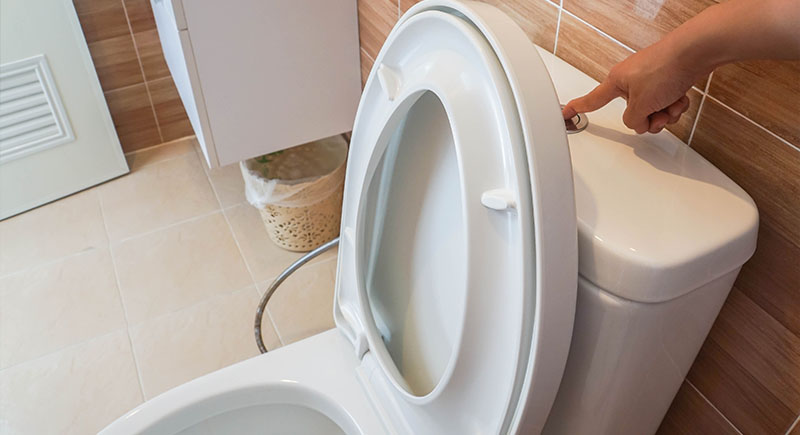
If you’re heading out of town or won’t be using a bathroom for a while, flush the toilet before you leave to remove standing water. Stagnant water is a breeding ground for bacteria and mineral deposits. You can also sprinkle a bit of baking soda in the bowl as a preventive measure.
The Role of Diet (For Your Toilet)
Credit: Wikimedia Commons
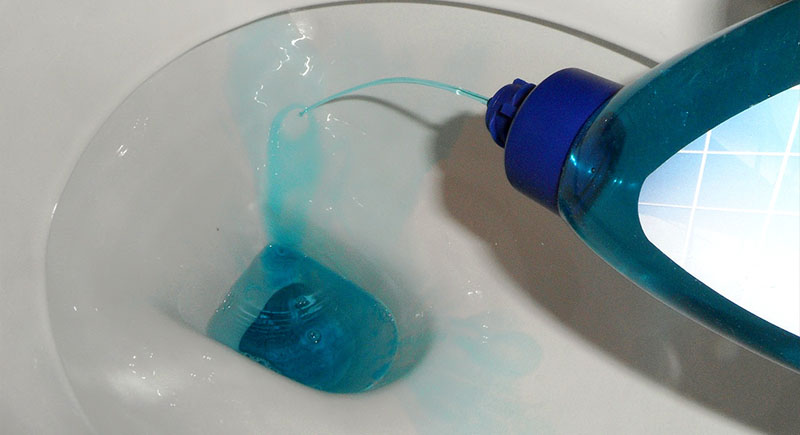
The water running through your pipes is like a diet for your toilet. Hard water “feeds” your bowl minerals that create stains, while softened water keeps things clean. If installing a water softener isn’t an option, consider using a toilet bowl cleaner specifically designed for hard water to balance things out.
Stick with Proactive Maintenance
Credit: iStockphoto
Stopping toilet rings isn’t just about reacting to stains when they appear; it’s about staying one step ahead. Small habits like flushing immediately after each use, using preventive cleaners, and keeping the bowl dry can make a world of difference. When maintenance becomes part of your routine, you’ll find yourself scrubbing less and enjoying a cleaner bathroom more often.