Stop Sleeping on ‘Unbreakable’: It’s Better Than Half the Marvel Movies
Most superhero films rely on noise and spectacle. Big budgets, polished suits, and scenes built to shake a theater can be entertaining, but the impact rarely lasts beyond the credits. Unbreakable, which came out in 2000, takes a completely different approach. It moves quietly, builds slowly, and leaves you thinking long after the story ends. There’s no collapsing skyline or beam shooting into the clouds.
What you get instead are questions that pull you in without announcing themselves. How does one man walk away from a train wreck without a bruise? And why does another, born with bones that break at the slightest impact, search for answers in comic book lore? Years before Marvel became a cultural routine, M. Night Shyamalan shaped a superhero tale that behaved like a character study. That thoughtful, grounded style is exactly why the film holds up better than many blockbuster titles that came after it.
A Superhero Story Hidden in Plain Sight
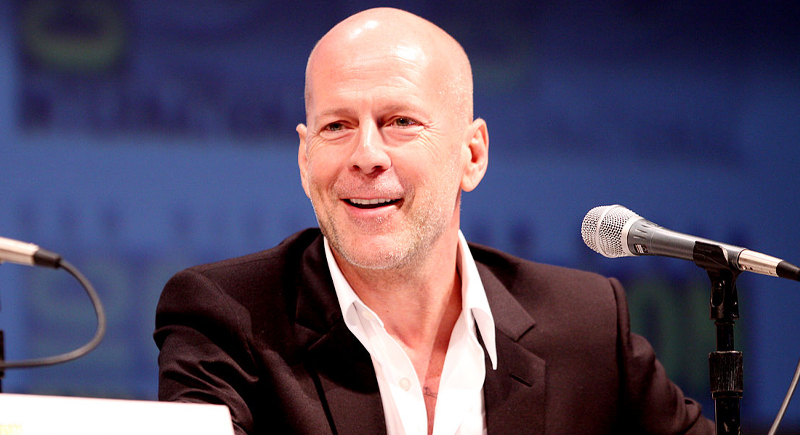
Image via Wikimedia Commons/Gage Skidmore
David Dunn, played by Bruce Willis, starts as an ordinary security guard carrying quiet disappointment through his life. After surviving the train disaster, a comic book dealer named Elijah Price, played by Samuel L. Jackson, begins asking the questions everyone else avoids. Elijah, who lives with osteogenesis imperfecta, believes David sits at the opposite end of the physical spectrum, a man who does not get sick or injured.
Disney chose to market the film as a thriller because superhero movies were considered risky in 2000, even though “X-Men” had just arrived and “Spider-Man” was still two years away in 2002. That choice made the reveal more powerful. There is no bright costume, no public debut, no crowd cheering the beginning of an era.
David tests his strength in secret, scanning people by touch, watching as his abilities slowly form a pattern he cannot ignore. A tense moment inside a home, where a janitor holds a family hostage, becomes his first real step into hero territory, and it is clumsy, frightening, and effective.
The Villain Makes the Hero
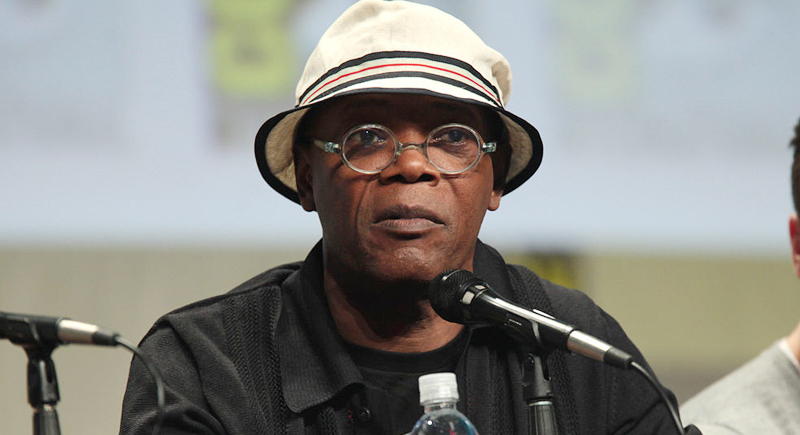
Image via Wikimedia Commons/Gage Skidmore
Elijah Price isn’t simply nudging David toward some destined path. He treats comic books like historical records, convinced they preserve a kind of modern mythology. His body breaks with almost no effort, and his mind fills the gap by searching for patterns in stories built around extremes. That fixation leads to the film’s final reveal: he engineered a series of disasters, including the train crash, to prove that someone like David existed.
The twist lands hard because it reshapes everything you’ve seen. Heroes and villains reflect each other, and Elijah believes he’s the counterweight the world requires. The later films — Split in 2017 and Glass in 2019 — eventually link and conclude the wider narrative, but Unbreakable stands on its own as both a hero story and a villain’s beginning. Its measured pace, patient camera work, and refusal to chase trends give it a clarity and confidence that many Marvel releases lack.
Why It Still Beats So Many Superhero Movies
Superhero cinema exploded after 2000, turning into an endless stream of sequels, universes, spin-offs, and crossover events. Big budgets and famous characters do not automatically mean better storytelling. Unbreakable offers a complete, contained experience in under two hours.
Quentin Tarantino once summed it up as a Superman story where Superman doesn’t yet know he’s Superman, and that simple idea carries more emotional weight than entire Avengers lineups trying to top the last city-leveling scene. The tension lives in a glance between father and son, in a bench press kept secret, in the touch of a hand on a crowded platform.