Over 50? Here’s How to Build Muscle and Stay Strong
After 50, building and keeping muscle becomes more about working with your body than pushing against it. Hormones change, muscle develops more slowly, and recovery takes longer, especially around the joints. Strength is still achievable, but it depends on adjusting your approach.
Shorter workouts, smarter movement choices, and proper recovery matter more than pushing harder. Long, exhausting gym sessions are not necessary. With a few practical changes, you can build muscle, protect your joints, and feel steadier in everyday movement. This is where it starts.
Use Short Resistance Sessions

Credit: Getty Images
Spending an hour at the gym isn’t necessary to get results. Short sessions, even just 10 to 15 minutes, can be enough to activate key muscles and stimulate growth. Brief routines reduce joint wear and improve consistency. The goal is steady activation that fits easily into daily life.
Train With Progressive Resistance

Credit: Canva
Muscle stays strong when it is given a clear reason to adapt. Adding a bit more resistance or a few extra reps over time keeps muscles engaged, even after 50. This approach, called progressive overload, works with weights, resistance bands, or bodyweight exercises. It helps offset slower muscle-building processes and keeps strength improving instead of fading.
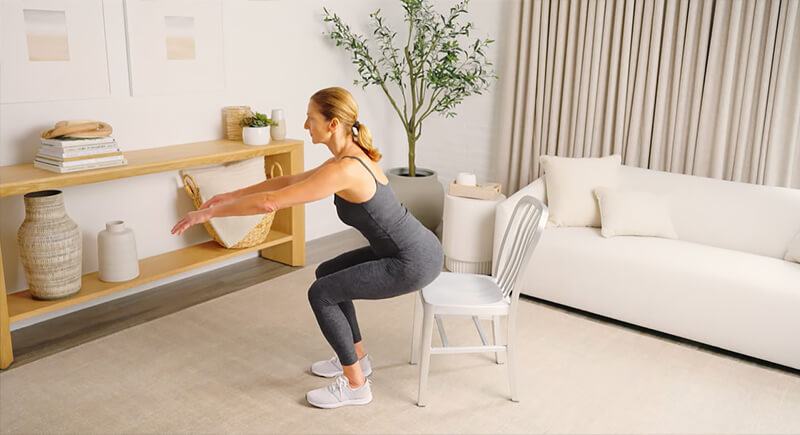
Build Lower-Body Strength With Sit-to-Stand Squats
Credit: Youtube
Standing up from a chair may seem simple, but it works the legs, core, and balance simultaneously. The movement mirrors everyday movements and helps keep the lower body muscles engaged. Practicing it regularly supports stability, making tasks like climbing stairs or getting out of a chair feel easier and more controlled.
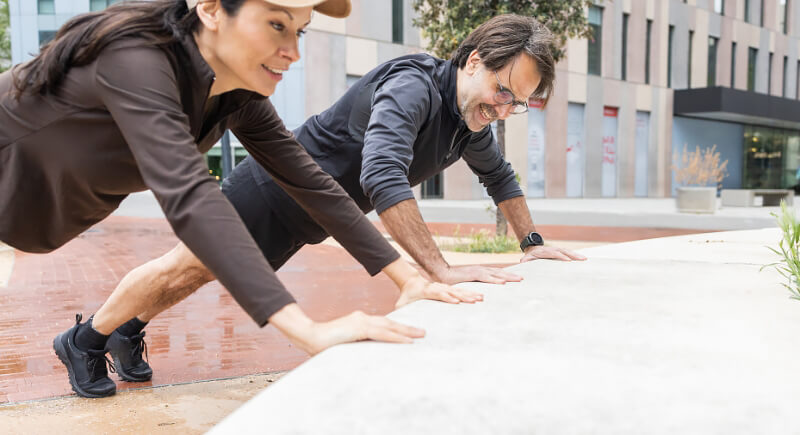
Protect Shoulders With Incline Push-Ups
Credit: Canva
Traditional push-ups can put extra stress on the shoulders and wrists as the body ages. Using a wall, bench, or countertop changes the angle and reduces joint pressure while still working the chest, shoulders, and arms. This version builds strength in a joint-friendly way and lowers the risk of irritation that can interrupt progress.
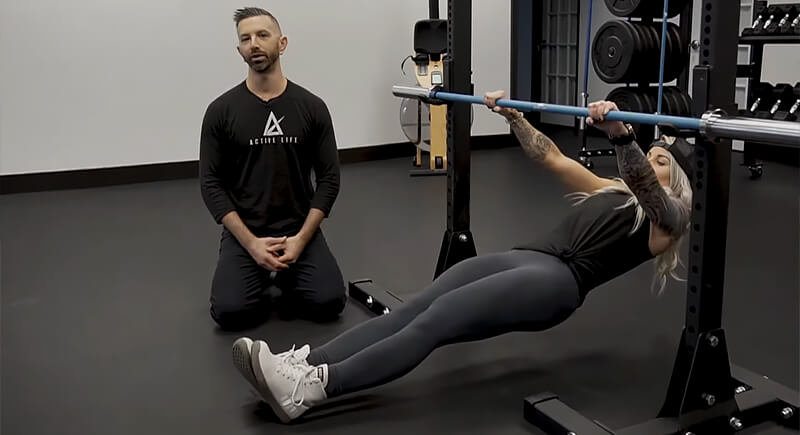
Restore Upper-Back Strength With Bodyweight Rows
Credit: Youtube
The upper back plays a major role in posture and shoulder support, yet it often gets neglected. Bodyweight rows bring those muscles back into action by training the shoulder blades to pull and stabilize. Using a secure surface, such as a low bar or a sturdy table edge, this movement strengthens the upper back in a simple, efficient way.
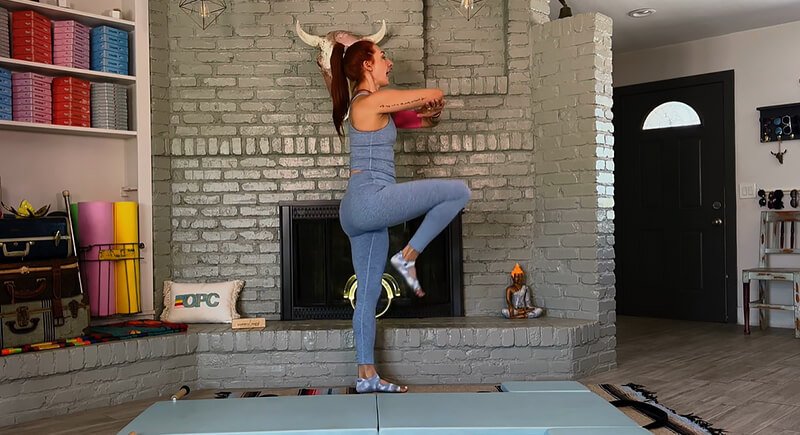
Improve Balance With Standing Marches
Credit: Youtube
Standing marches look simple, but they train several systems at once. The hips learn control, the core stays active, and coordination improves with each step. Holding the knee up for a moment increases the challenge and helps develop balance, making everyday movement feel more stable and controlled.
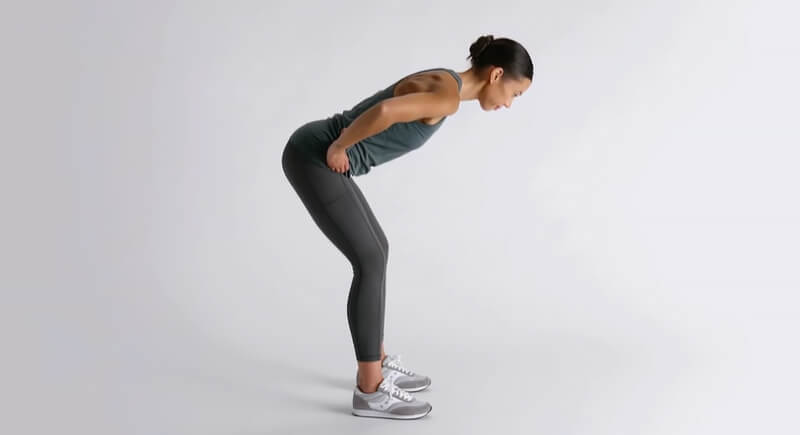
Strengthen the Posterior Chain With Hip Hinges
Credit: Youtube
The muscles in your back, glutes, and hamstrings tend to weaken when we don’t train them directly. Hip hinges are a simple way to reactivate those areas. They also teach safer lifting mechanics, which protect the spine and help with everyday movements like bending.
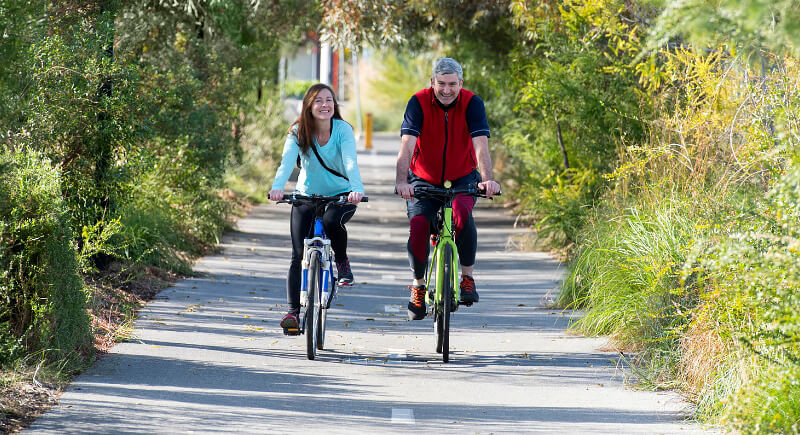
Use Endurance Training to Target Slow-Twitch Fibers
Credit: Getty Images
Slow-twitch fibers don’t respond much to heavy weights. Instead, they thrive on repeated, low-intensity effort. Activities like walking, swimming, or light cycling improve these fibers, which support posture and stamina. Endurance work also helps keep your metabolism active, which becomes even more important as you age.
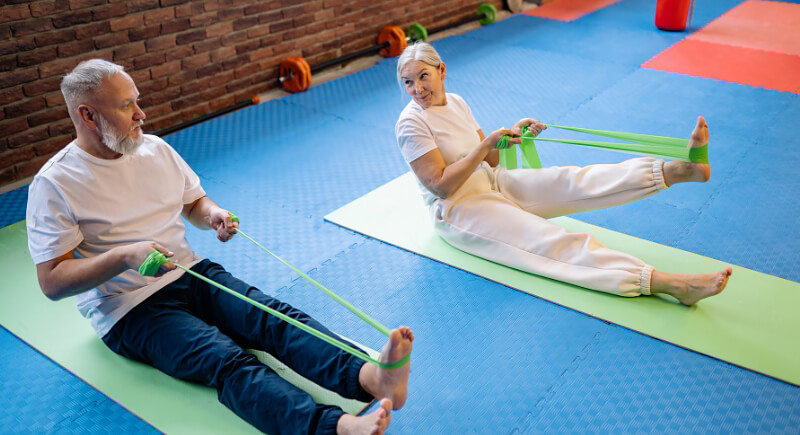
Choose Resistance Bands for Joint-Friendly Strength
Credit: pexels
Weights aren’t always the answer. Resistance bands give your muscles a solid challenge without the added joint stress. They’re easy to adjust, safe to use at home, and portable enough for travel. For aging joints that might protest during traditional lifting, bands provide a low-risk alternative with plenty of benefits.
Allow 72 Hours Between Strength Sessions

Credit: Canva
Muscle growth doesn’t happen during exercise. It happens afterward. Giving yourself at least 72 hours between strength sessions helps muscles rebuild and grow stronger. Recovery time is especially important after 50, when repair processes slow down. Without rest, you’re more likely to plateau or get injured.