The Worst States to Live In if You Want to Avoid Termites
Termites are a sneaky problem that can eat away at your home before you even notice. Warmth and moisture draw them in, which means your location could be helping them settle in. Across the U.S., some states deal with them far more than others. Here’s where termites are most relentless, based on climate, species presence, and historical infestation patterns.
Florida’s Multi-Species Menace
Credit: Getty Images
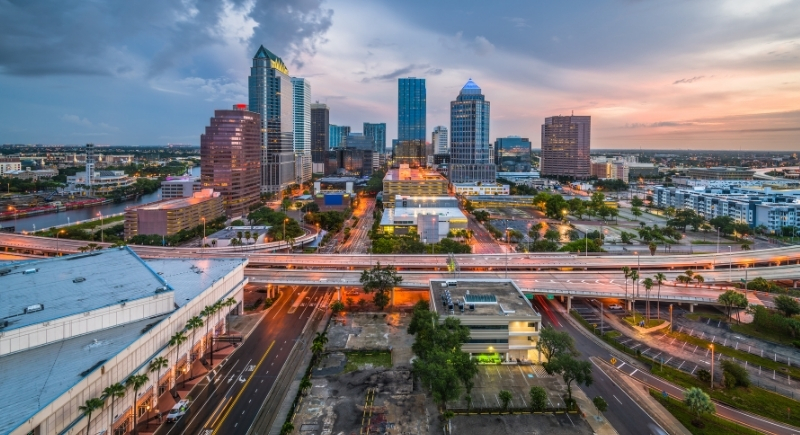
Florida is considered ground zero. Six different species call the state home, including the aggressive Formosan and Asian subterranean termites. The University of Florida predicts that nearly half of the homes in southern Florida could suffer termite damage over the next two decades.
Louisiana’s Formosan Hotspot
Credit: Getty Images
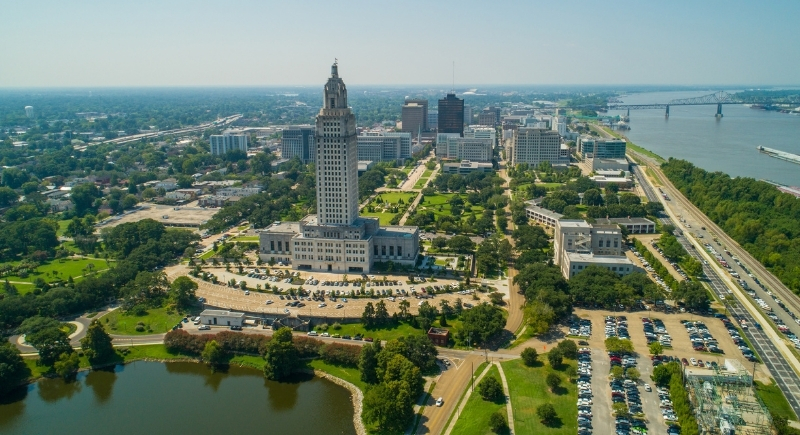
Louisiana has a long history with the Formosan termite, a species notorious for its massive colonies and rapid destruction. First spotted here in 1984, they’ve become the most damaging pest in the state. Swarms arrive in spring, and once they get started, they can wreck a home’s structure in just a few months.
California’s Double Trouble

Credit: Getty Images
California is home to two types of termites: subterranean and drywood. Subterranean termites thrive along the coast, while drywood termites dig into rafters and furniture in the southern parts of the state. Cities like Los Angeles and San Diego report constant issues. The mild winters let colonies remain active longer, which shortens the break between swarming seasons.
Texas’ Expanding Risk Zone

Credit: Getty Images
As Texas heats up and cities sprawl outward, termite problems are moving north. Subterranean termites have long thrived in Houston and San Antonio, but now the Dallas-Fort Worth area is experiencing consistent infestations. High humidity and numerous wooden structures provide termites with the ideal conditions for multiplication and establishment.
South Carolina’s High Activity Levels
Credit: Getty Images
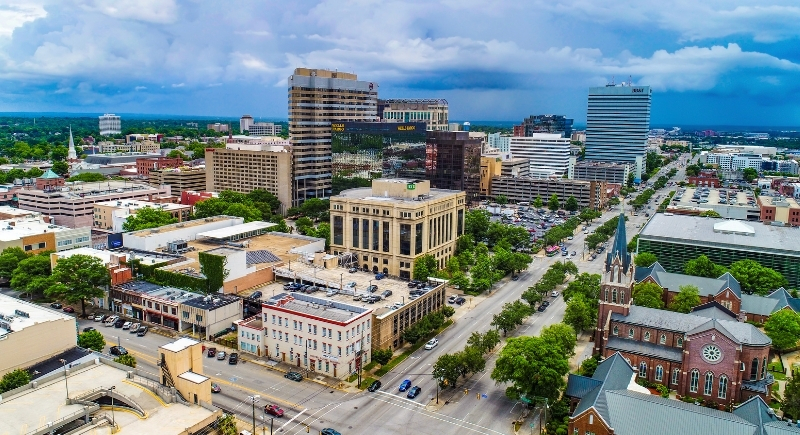
South Carolina’s warm climate and rainy seasons create reliable conditions for termite survival. Charleston has reported Formosan activity for years, and infestations have spread along the coast. Once established, these pests don’t leave on their own. Residents frequently need preventative treatments to keep colonies from moving into crawl spaces and wood framing.
Hawaii’s Year-Round Swarm Threat

Credit: Getty Images
Hawaii’s tropical weather doesn’t offer termites much reason to slow down. The Formosan termite is common here, and without seasonal cold snaps to interrupt their life cycles, swarms can happen any time. Homeowners often have to consider termite prevention just like routine lawn care. In Oahu and Maui, termite control is part of basic upkeep.
Georgia’s Southern Exposure
Credit: pexels
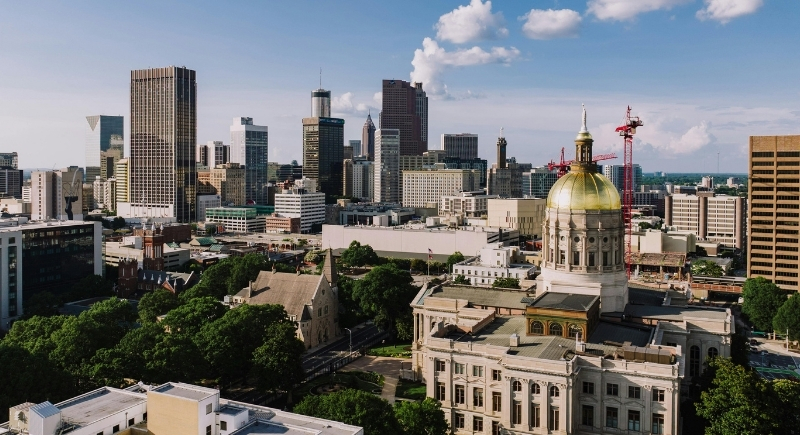
Georgia is firmly in the highest termite risk zone, thanks to its hot summers and consistent humidity. Subterranean termites are common throughout the state, and infestations have been documented in areas ranging from Savannah to Atlanta. Even newer buildings aren’t immune. With high wood content in modern construction, termites don’t have to look hard for food.
Alabama’s Ideal Conditions
Credit: pexels
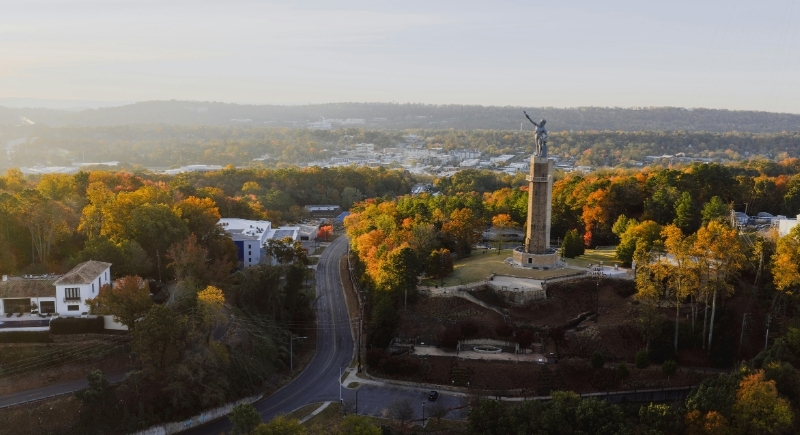
Alabama provides everything termites want: warmth, rain, and plenty of older homes. Mobile consistently ranks among the most termite-infested cities in the country. Some areas even require termite bonds—agreements that stipulate routine inspections and treatment—before a home can be sold. Without active monitoring, infestations often go unnoticed until major repairs are needed.
Mississippi’s Long-Term Problem
Credit: Canva
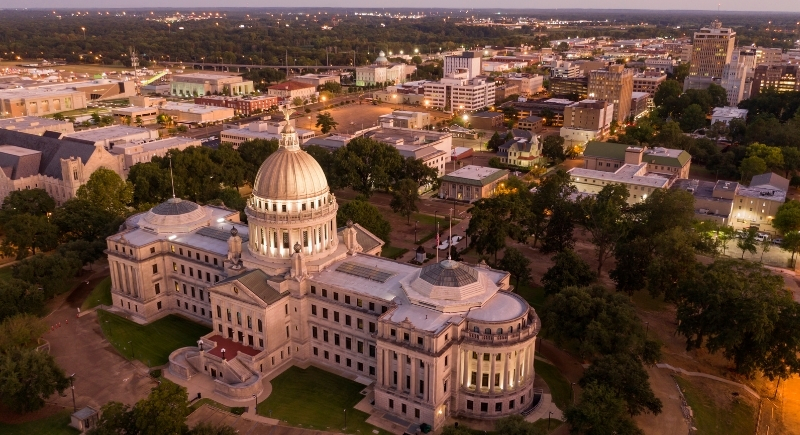
Mississippi has dealt with termites for decades, and the problem hasn’t slowed down. Formosan termites made an early appearance here and never left. The state’s clay soils and frequent rain help subterranean colonies flourish underground. Damage can escalate fast, especially when infestations go undetected in basements or crawl spaces.
North Carolina’s Growing Concern
Credit: Getty Images
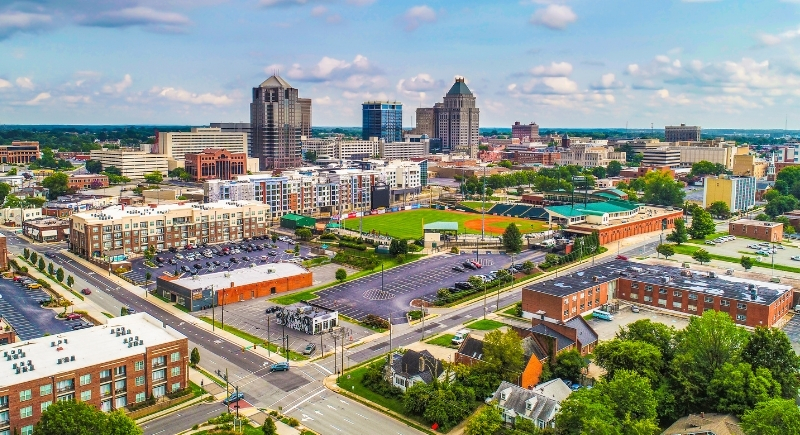
While not as high-risk as its southern neighbors, North Carolina has seen an increase in termite activity, especially in the eastern half of the state. The mix of coastal humidity and expanding development provides ideal conditions. As suburbs expand, termites find new wooden structures to inhabit, especially during the active spring swarming season.