Oldest Living Cast and Crew Members From the Original Star Wars
When Star Wars opened in May 1977, few people involved expected it to become one of the most influential movies ever made. The production brought together actors, editors, designers, composers, and filmmakers from very different backgrounds. Nearly 50 years later, many of those contributors are still alive and remain closely associated with the film that launched a cultural phenomenon. Their careers followed different paths, but each helped shape a movie that continues to attract new audiences almost half a century after its release.
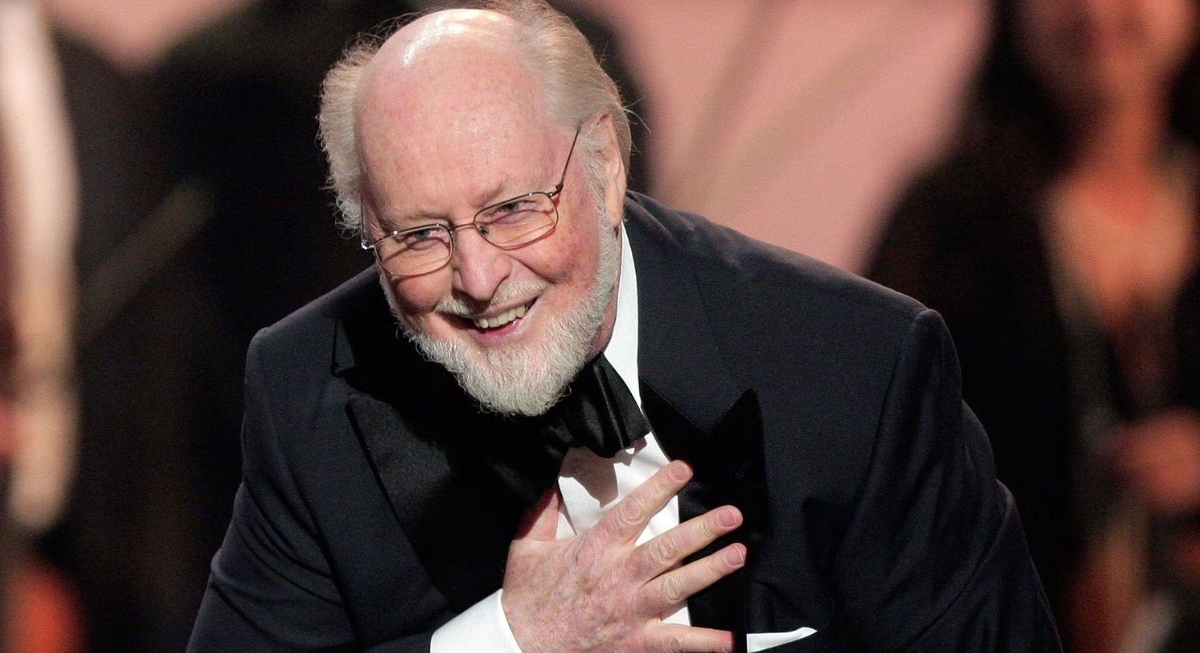
John Williams (Born February 8, 1932)
Credit: IMDb
Before audiences met Luke Skywalker or Darth Vader, they heard John Williams’ music. The composer was already respected in Hollywood, but Star Wars became one of the defining projects of his career. George Lucas wanted a sweeping orchestral score at a time when many science-fiction films leaned toward electronic sounds. Williams delivered themes that became instantly recognizable worldwide. The main title fanfare, Princess Leia’s theme, and the Force theme remain central to the franchise. His work earned an Academy Award and helped establish the emotional identity of the entire saga.
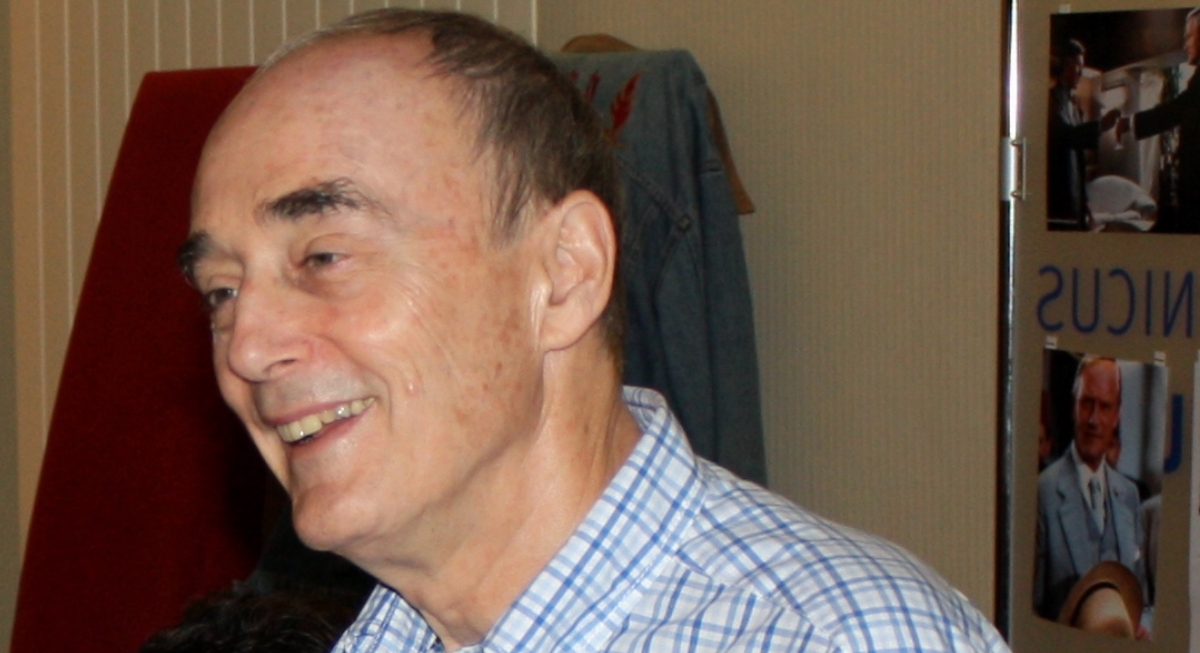
Garrick Hagon (Born September 27, 1939)
Credit: Wikimedia Commons
Many viewers did not fully appreciate Biggs Darklighter until years after the film’s release. Garrick Hagon’s character originally had more scenes with Luke Skywalker, but much of that material was removed before the theatrical debut. Later releases and deleted footage gave fans a better understanding of their friendship. The additional context transformed Biggs from a minor Rebel pilot into an important part of Luke’s early story. Hagon’s screen time remained limited, but the character developed a surprisingly loyal following and became one of the most discussed supporting figures in the original film.
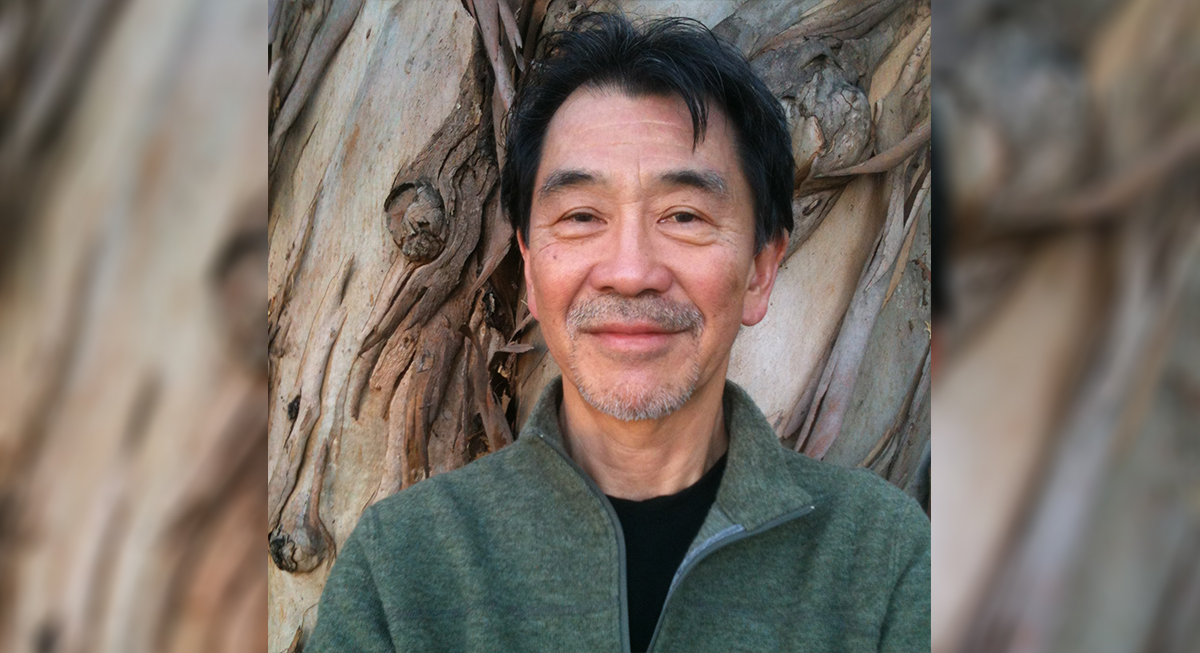
Richard Chew (Born June 28, 1940)
Credit: Wikipedia
Editing played a huge role in making Star Wars accessible to audiences encountering an unfamiliar galaxy for the first time. Richard Chew worked alongside Paul Hirsch and Marcia Lucas to shape the final version of the movie. The challenge involved balancing action, humor, exposition, and character development without losing momentum. The Death Star attack sequence remains one of the clearest examples of that work. Every cut helps viewers understand where the pilots are, what they are attempting, and how much danger they face. Chew’s contribution earned him an Academy Award for Best Film Editing.
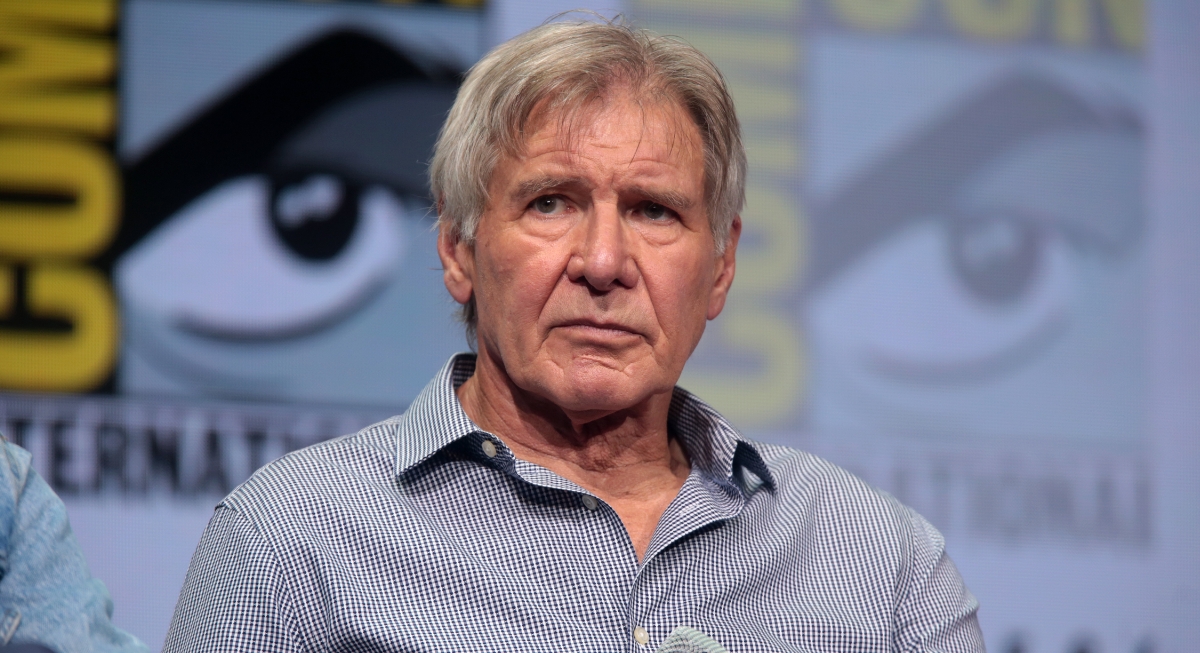
Harrison Ford (Born July 13, 1942)
Credit: Wikimedia Commons
Before becoming one of Hollywood’s biggest stars, Harrison Ford worked as a carpenter and took acting jobs when he became involved with Star Wars. He was originally brought in to read lines with other actors during auditions, but his performance eventually earned him the role of Han Solo. Ford’s portrayal combined confidence, humor, skepticism, and a rebellious streak. The success of Star Wars made Ford an international star and launched a career that would include some of cinema’s most recognizable roles.
Roger Christian (Born February 25, 1944)
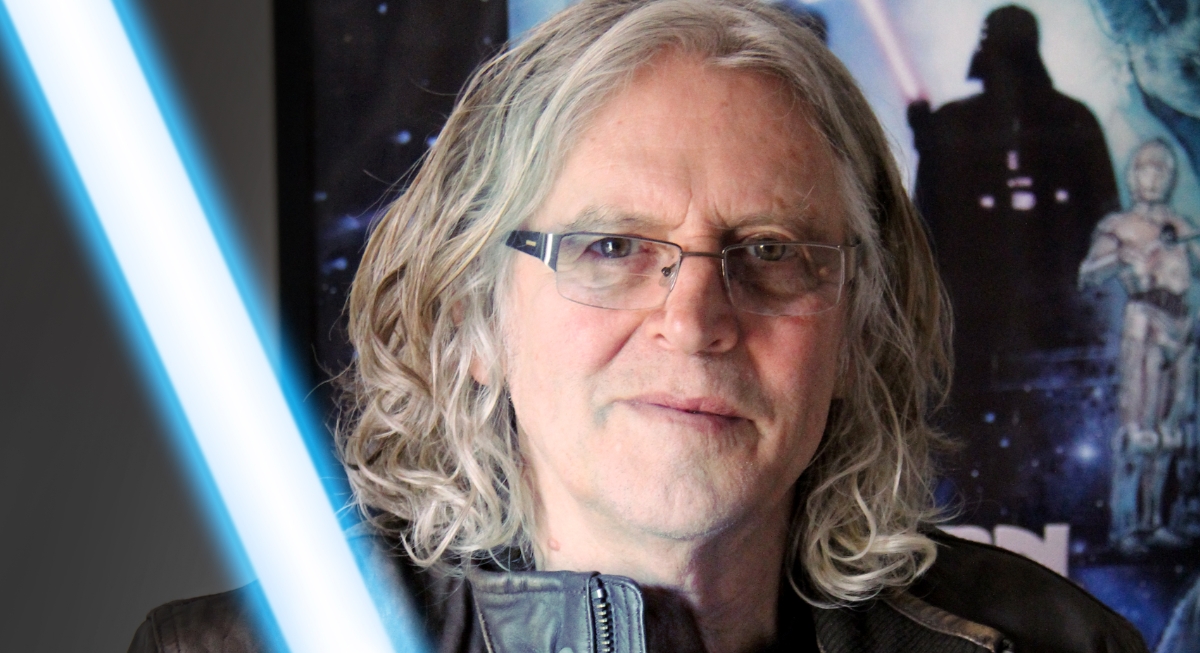
Credit: IMDb
The original Star Wars looked different from most science fiction films because its world appeared worn and heavily used. Roger Christian helped create that visual style as the film’s set decorator. Spaceships looked repaired rather than pristine. Equipment appeared functional instead of futuristic for its own sake. Small details throughout the production suggested a universe with a long history. Christian’s work earned a share of the Academy Award for Art Direction. It helped establish the franchise’s famous “used future” aesthetic, a design approach that influenced generations of filmmakers.
George Lucas (Born May 14, 1944)
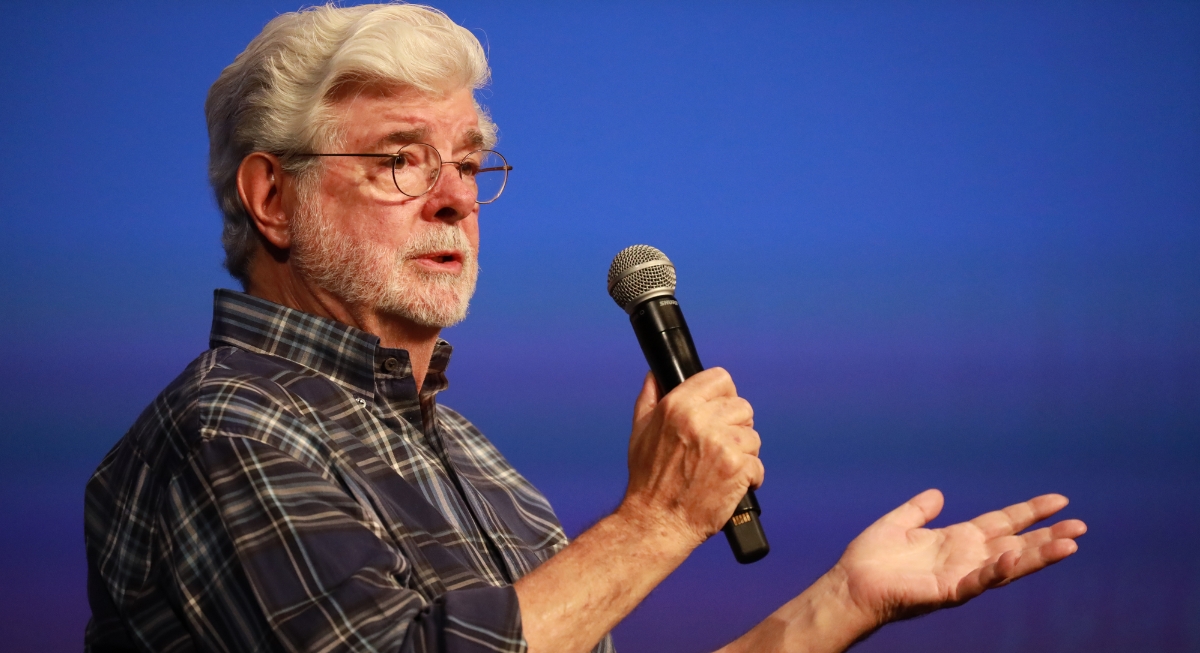
Credit: Wikimedia Commons
George Lucas was in his early 30s when he wrote and directed Star Wars. At the time, the project looked risky, expensive, and difficult to market. Lucas pushed forward anyway, building a fictional universe that blended mythology, adventure serials, science fiction, and influences from classic cinema. He also negotiated to retain merchandising rights, a business decision that later became legendary. Beyond financial success, Lucas created a framework that supported sequels, novels, television series, video games, and countless other expansions.
Paul Hirsch (Born November 14, 1945)
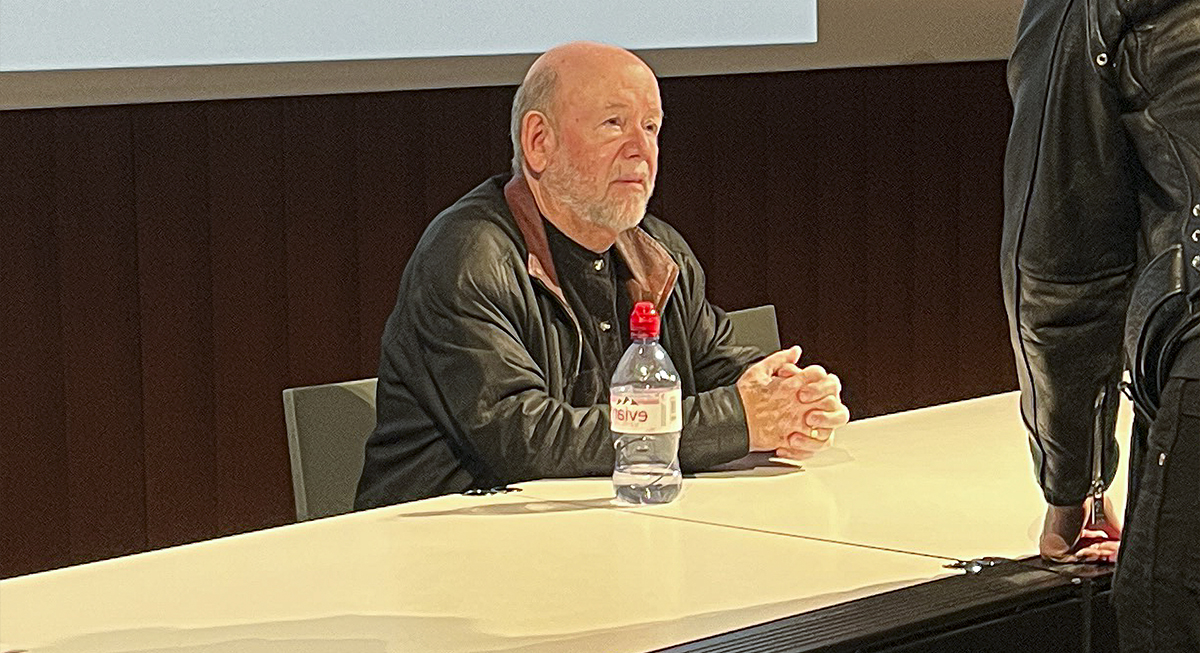
Credit: Wikimedia Commons
Another key editor behind the film’s success was Paul Hirsch. His work focused on maintaining clarity during scenes packed with action and technical information. Audiences needed to understand complicated situations quickly, particularly during battles and rescue sequences. Hirsch excelled at preserving that clarity while keeping the story moving at a brisk pace. His contributions helped make the movie engaging for casual viewers and dedicated fans alike. The Academy recognized that achievement with an Oscar, and Hirsch later strengthened his connection to the franchise by editing The Empire Strikes Back.
Anthony Daniels (Born February 21, 1946)
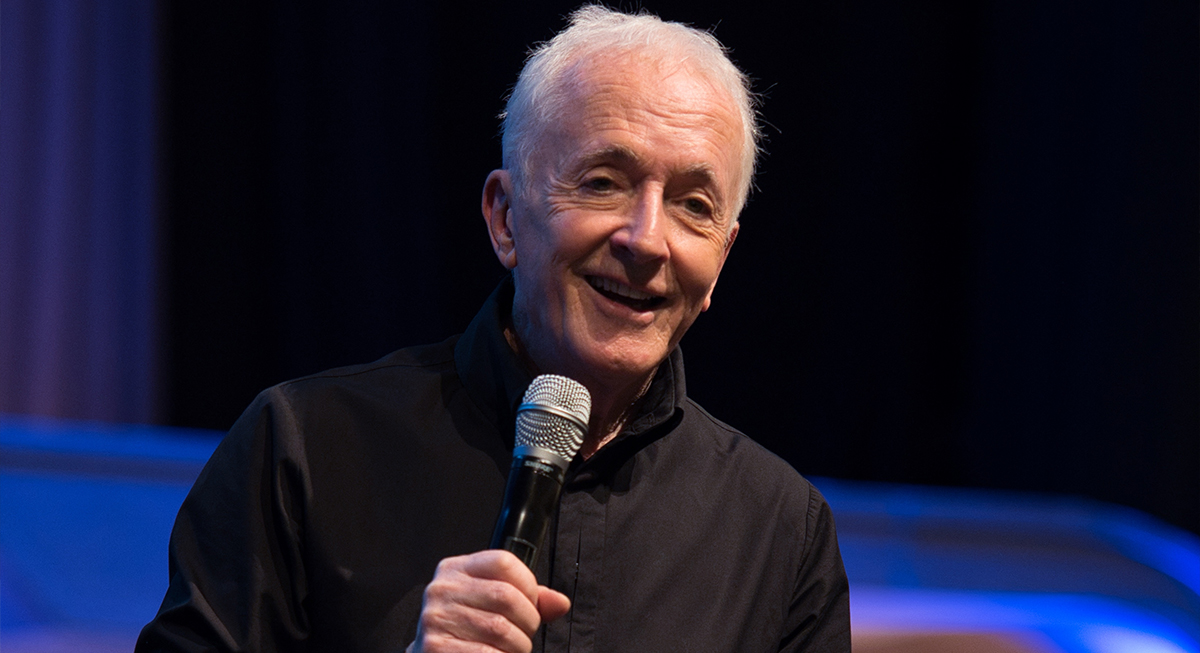
Credit: Wikimedia Commons
C-3PO became one of the franchise’s most recognizable characters, and Anthony Daniels deserves much of the credit. Performing inside the restrictive costume presented constant challenges, including limited visibility and reduced mobility. Daniels compensated through precise physical acting and vocal delivery. He performed as a droid whose anxious personality balanced the confidence of other characters. Unlike many performers associated with iconic roles, Daniels remained deeply involved with the franchise for decades. His appearances across multiple trilogies turned him into one of the most enduring figures in Star Wars history.
Denis Lawson (Born September 27, 1947)
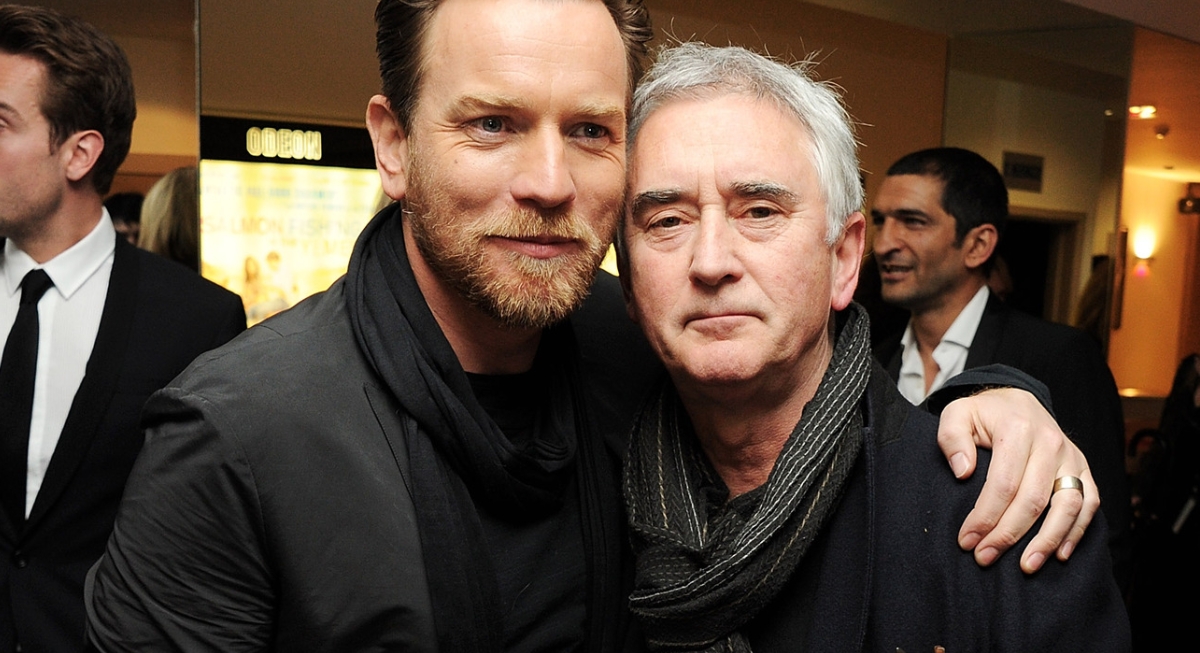
Credit: IMDb
Not every memorable character occupied the center of the story. Denis Lawson played Wedge Antilles, one of the Rebel Alliance’s most dependable pilots. Wedge earned respect among fans for consistently appearing during critical missions and surviving dangers that claimed many others. He participated in both Death Star battles and became one of the trilogy’s most successful military figures. Lawson later built a substantial acting career outside the franchise, but his role as Wedge remains beloved. The character demonstrated that supporting players could leave a lasting impression despite limited screen time.
Mark Hamill (Born September 25, 1951)
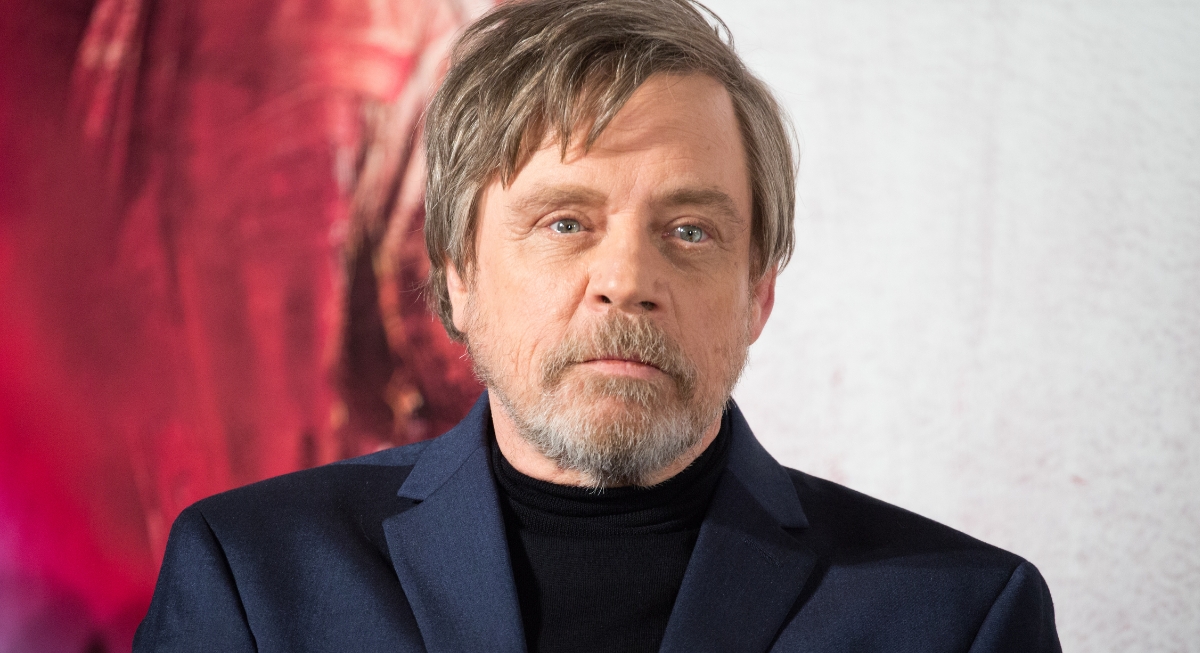
Credit: Wikimedia Commons
For millions of moviegoers, Mark Hamill remains the face most closely associated with Star Wars. Luke Skywalker served as the audience’s guide through the original film, beginning as a restless farm boy and ending as a hero of the Rebel Alliance. Hamill carried that journey with sincerity and enthusiasm. His later career took an unexpected turn when he became one of the entertainment industry’s most respected voice actors. Even so, Luke Skywalker remains the role that defines his remarkable legacy.