How to Spot GE Foods at the Grocery Store Without Trying Too Hard
Most grocery stores don’t make it easy to figure out which foods were genetically engineered. Labels often fail to provide clear information, and marketing terms like “natural” add more confusion than clarity.
Without some background, it’s easy to overlook modified ingredients or misunderstand what packaging actually means. However, if you know a couple of reliable details, such as which crops are high-risk and which certifications to trust, you can easily avoid engineered foods without having to read every label.
Trust Third-Party Verification Over Marketing Language
Credit: Wikimedia Commons
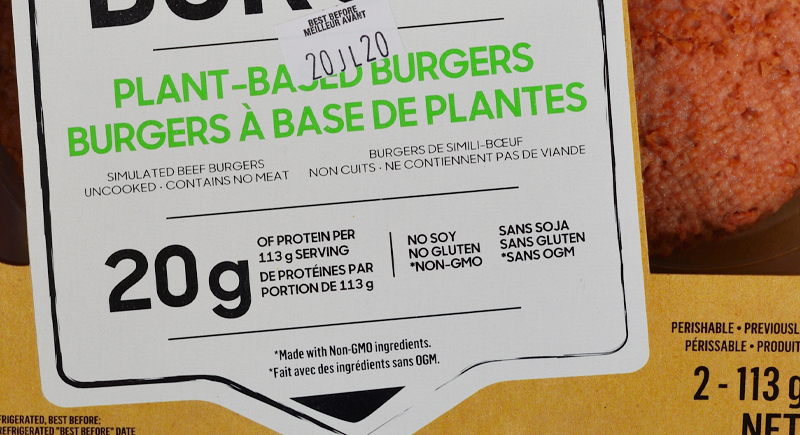
The Non-GMO Project Verified logo exists because federal labeling rules leave significant gaps. Companies are not required to clearly mark GE ingredients on packaging. The gap created demand for independent oversight. The butterfly logo indicates that high-risk ingredients have undergone testing and review. Without it, people rely solely on brand promises.
Know Which Crops Dominate Genetic Engineering
Credit: Getty Images
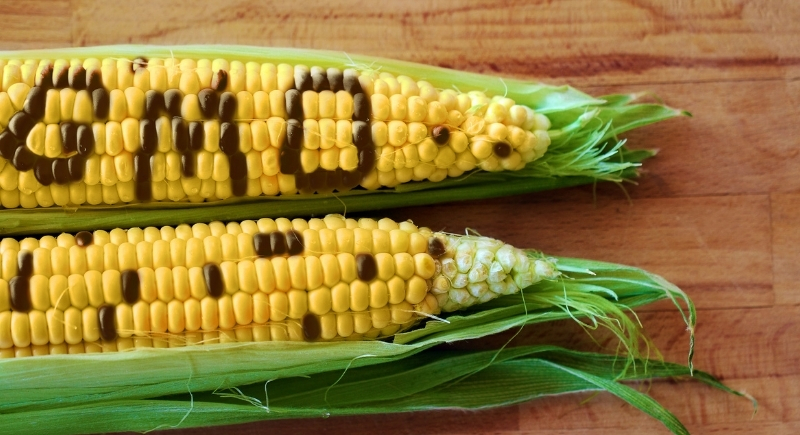
Genetic engineering focuses on a small group of crops grown at an industrial scale. Corn, soybeans, canola, cottonseed, and sugar beets are common among them. Papaya grown in Hawaii or China also belongs in that category. These crops are found in numerous foods through oils, syrups, and additives. Grocery shoppers who don’t recognize these patterns often underestimate exposure.
Remember That Organic Certification Carries Legal Weight
Credit: Wikimedia Commons
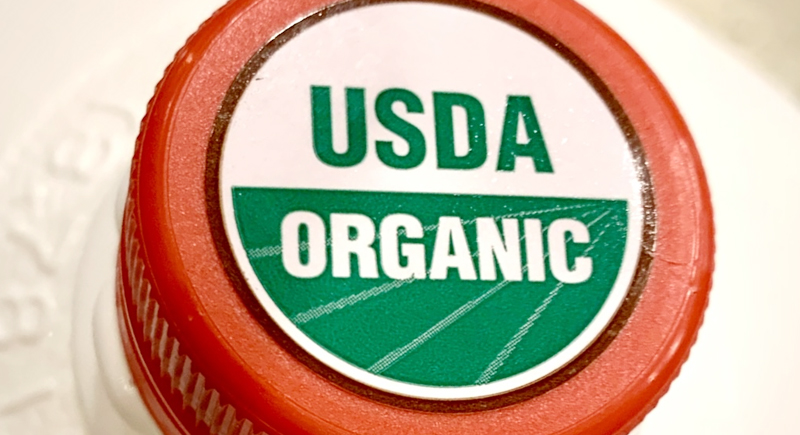
The USDA Organic seal was developed after years of debate about food transparency. It bans genetically engineered seeds and restricts the use of chemical inputs across production. This matters because it creates enforceable standards rather than optional claims. Inspectors review farming practices and supply chains, and individuals who opt for organic options often rely on informed decisions instead.
Avoid Trusting the Word “Natural” On Packaging

Credit: iStockphoto
Food companies use the term “natural” because it appeals to buyers, not because it accurately reflects their production methods. The term carries no definition related to genetic engineering. Products labeled as “natural” may still contain modified corn syrup or soy derivatives. This misunderstanding persists because packaging design often conveys a sense of reassurance.
Choose Staples That Aren’t Commonly Genetically Modified
Credit: Getty Images
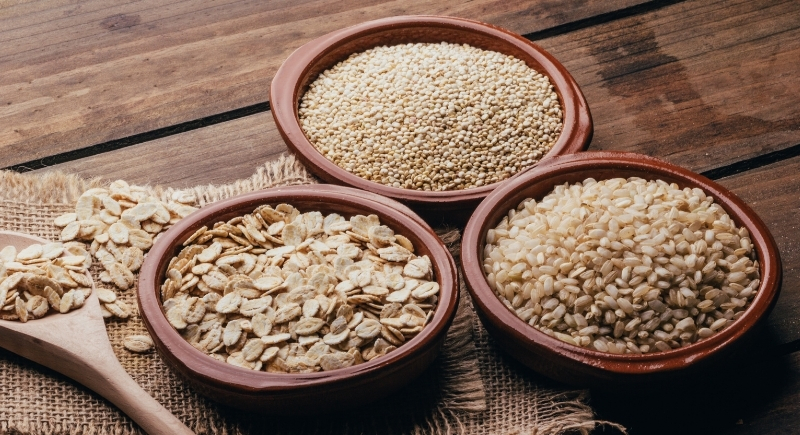
Commercial genetic engineering focuses on crops that tolerate herbicides or resist pests. Grains like oats, quinoa, and rice do not fit that model and remain unmodified. These foods provide an easier option for buyers and help avoid labels altogether. When budgets tighten, you can choose naturally low-risk staples to reduce stress.
Ask About Seeds When Buying from Local Growers
Credit: iStockphoto
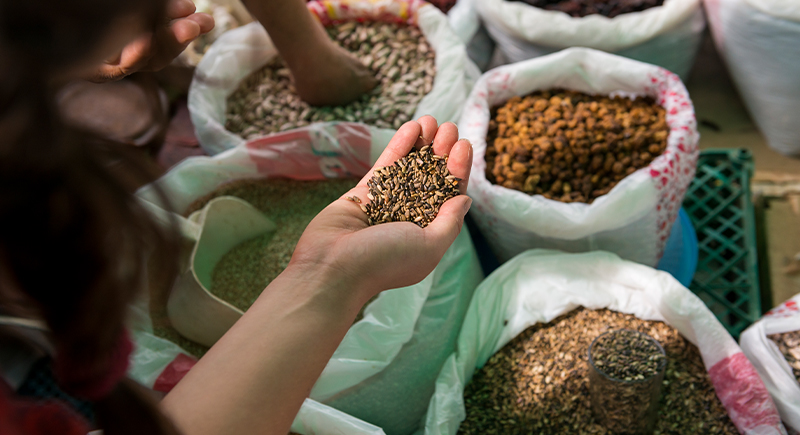
Farmers’ markets and co-ops operate on direct communication. Vendors usually know their seed sources and growing methods. This is mostly important for produce that is commonly modified, such as sweet corn or zucchini. A short conversation can replace long label reading. This approach does not require certification, just openness.
Use Produce Sticker Codes to Confirm Organic Status
Credit: Wikimedia Commons
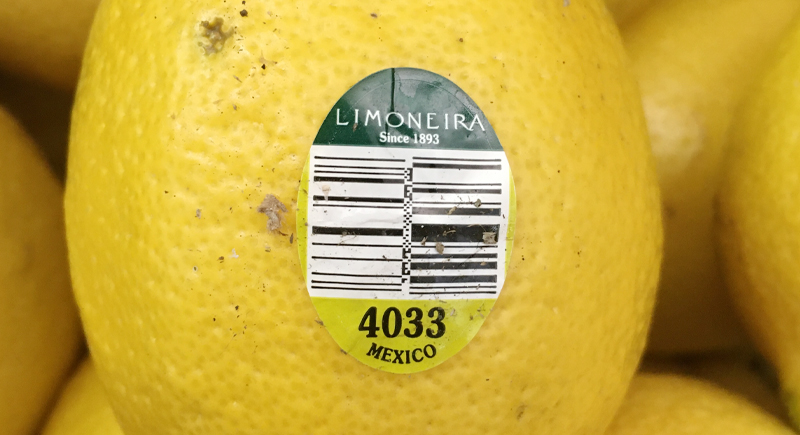
PLU codes started as inventory tools, rather than consumer education. As time passed, they became a signal for produce shoppers. Organic fruits and vegetables carry five-digit codes starting with nine. Meanwhile, conventional produce uses four digits. GE items technically use a code starting with eight, though retailers do not frequently apply it.
Avoid Long Ingredient Lists on Packaged Foods

Credit: Getty Images
Highly processed foods depend on commodity ingredients tied to genetic modification. Corn oil, soy protein, and modified starches are regularly included in packaged meals and snacks. Each ingredient that is added creates another chance for modified inputs. If you ignore this pattern, you may focus on one label detail and miss the broader picture.
Check Meat, Eggs, And Dairy for Animal Feed Practices
Credit: Canva
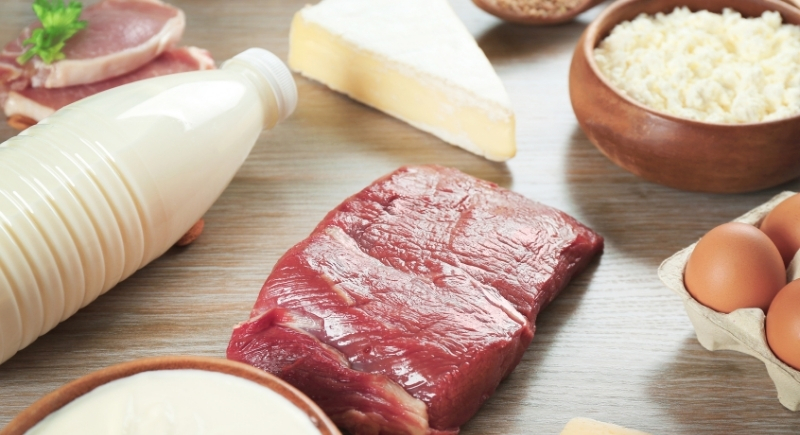
Livestock diets are key when trying to keep a distance from altered products. Conventional animals tend to consume engineered corn and soy. Meat, eggs, and dairy do not disclose that connection unless certified. Organic standards prohibit this type of feed, which changes the equation. You might just focus on produce and forget animal products altogether. This oversight leads to incomplete avoidance.
Ignore How Produce Looks and Focus on Its Source
Credit: Canva
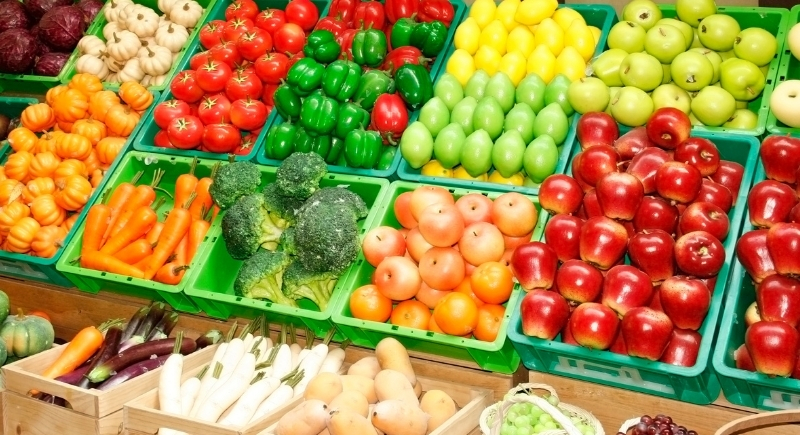
Shiny apples and uniform vegetables come from many factors unrelated to genetic engineering. Traditional breeding and farming practices have a greater impact on appearance than genetics alone. Consumers who judge by looks risk false confidence. Keep in mind that modified and non-modified produce can look identical on shelves.