10 Spinoffs That Were Better Than the Original
TV spinoffs usually begin as side projects, built on familiar characters or worlds with no guarantee they will hold up on their own. Most stay safely in the background, but a few manage to break away. With sharper writing, better casting, or timing that simply worked in their favor, these shows grew into something stronger than what inspired them. The originals set the stage, but these spinoffs refined the idea, found their voice, and became the versions people remember most. Here are ten that proved they could do more than just follow.
Better Call Saul
Credit: IMDb
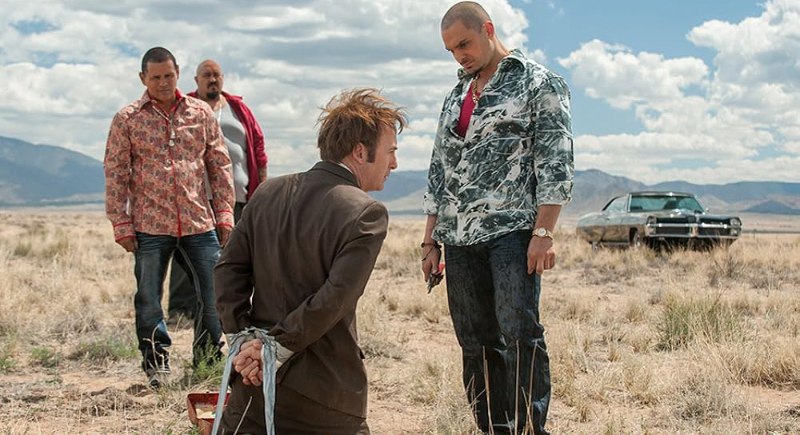
Better Call Saul managed the tricky job of expanding a universe fans already knew. Over six seasons, it carved out its own story by exploring character depth and consequences in a slower, more nuanced way than Breaking Bad. It earned Emmy nods and, for many, respect that went beyond its origin story.
Frasier
Credit: IMDb
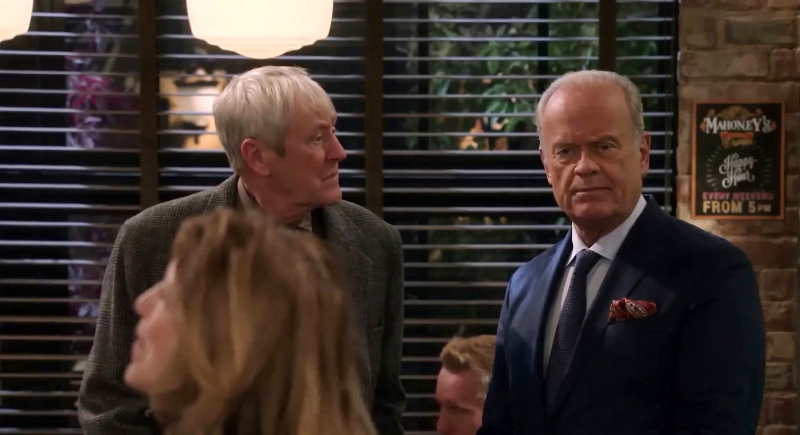
The end of Cheers left few expecting Frasier Crane’s solo series to connect so widely. The Seattle setting shifted the humor toward sharp dialogue, uneasy family dynamics, and comedy instead of barroom banter. The show built a loyal audience, won more Emmys than its predecessor, and let Kelsey Grammer expand the character.
The Simpsons
Credit: Wikimedia Commons
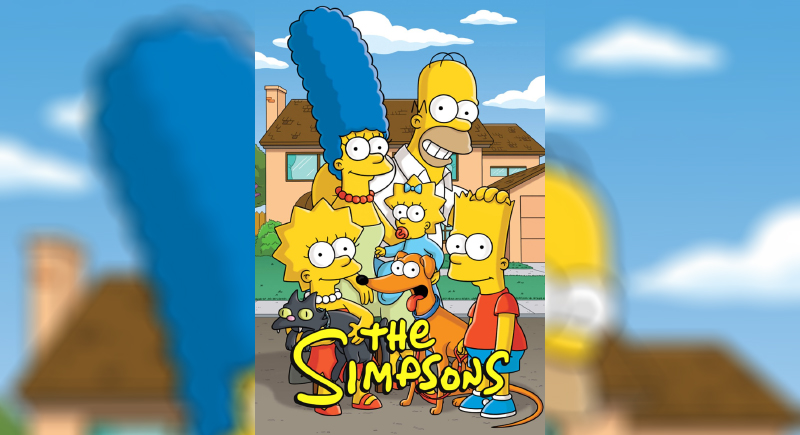
What started as a series of short segments on The Tracey Ullman Show turned into the longest-running primetime scripted series in American TV history. The Simpsons redefined what animation could do for adults, tackling politics, pop culture, and family chaos with quick wit and endless satire.
The Originals
Credit: IMDb
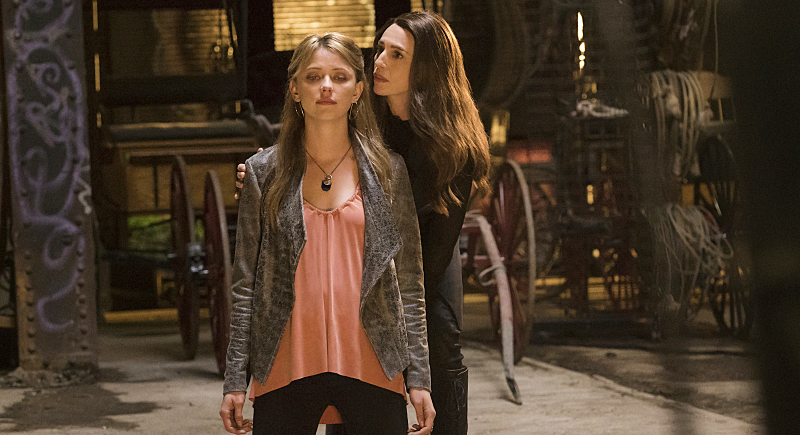
Spun off from The Vampire Diaries, this darker, more layered series focused on the complex Mikaelson siblings and their centuries-long history. The Originals leaned into family betrayal and supernatural politics with more intensity than the teen-driven drama from which it originated. Klaus, Elijah, and Rebekah became fan favorites in their own right.
Boston Legal
Credit: IMDb
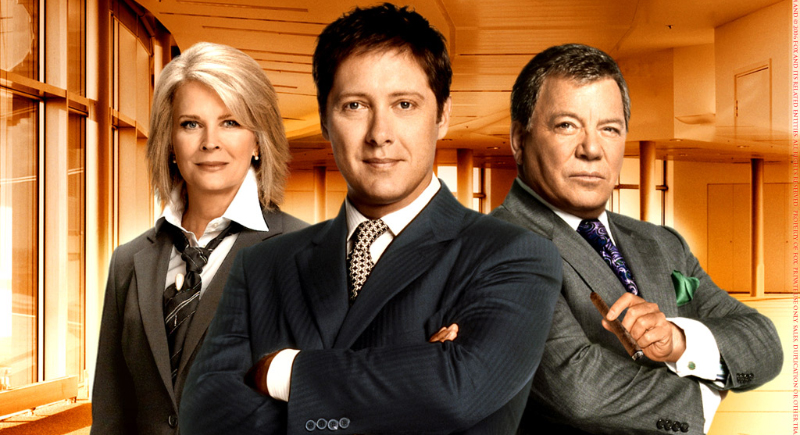
The Practice laid the foundation, but Boston Legal built a much livelier structure. With James Spader and William Shatner leading the way, the series delivered courtroom drama with an eccentric twist. It played with tone and tackled issues while giving its characters big personalities and unpredictable arcs.
Daria
Credit: IMDb
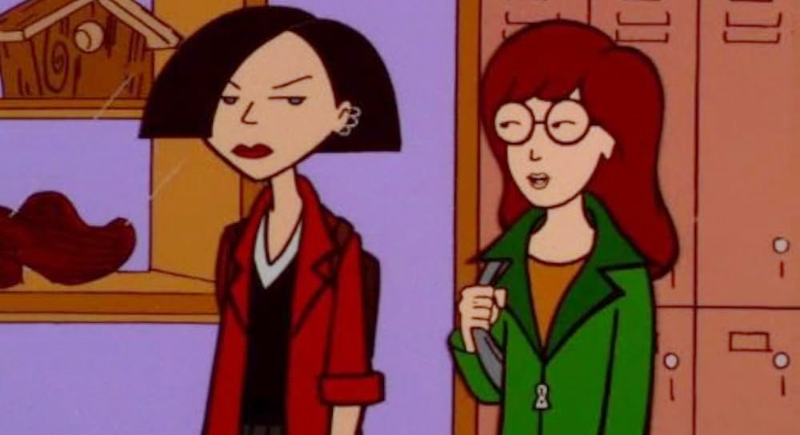
Introduced as a background character on Beavis and Butt-Head, Daria Morgendorffer stepped into the spotlight with her own animated series in 1997. Her deadpan delivery and dry take on high school life offered an alternative to louder teen narratives. The show became a cult favorite for its sharp commentary and refusal to simplify adolescence.
The Colbert Report
Credit: IMDb
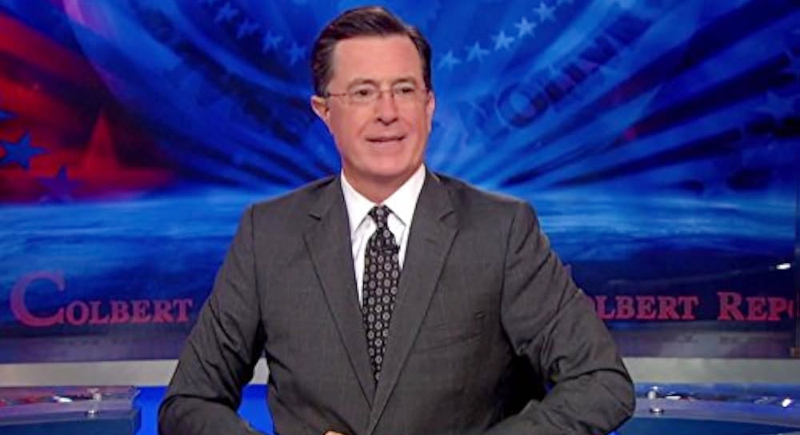
Stephen Colbert’s shift from correspondent on The Daily Show to satirical host worked better than anyone expected. The Colbert Report poked fun at conservative punditry, all while Colbert remained in character as a blustery commentator. The format allowed him to outgrow his origins and become one of the most recognized voices in political comedy.
Xena: Warrior Princess
Credit: IMDb
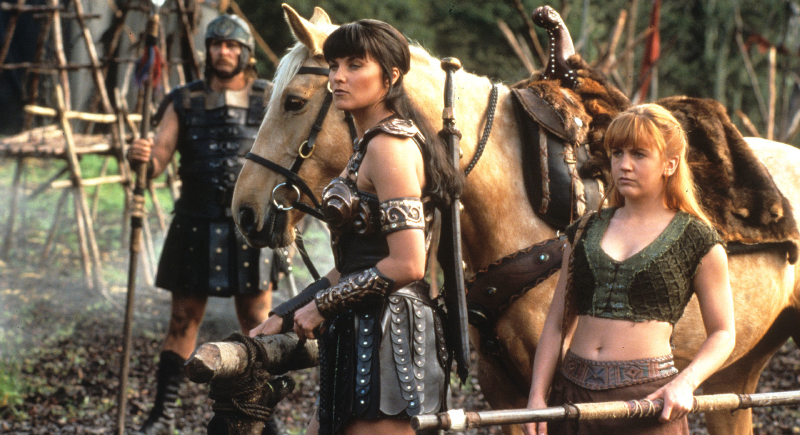
First appearing on Hercules: The Legendary Journeys, Xena quickly outshone her original show with fight choreography and myth-driven plots. Lucy Lawless brought a mix of strength and humor that clicked with audiences. Xena: Warrior Princess ran six seasons and left a legacy that’s still referenced in pop culture and fandom today.
Degrassi: The Next Generation
Credit: IMDb
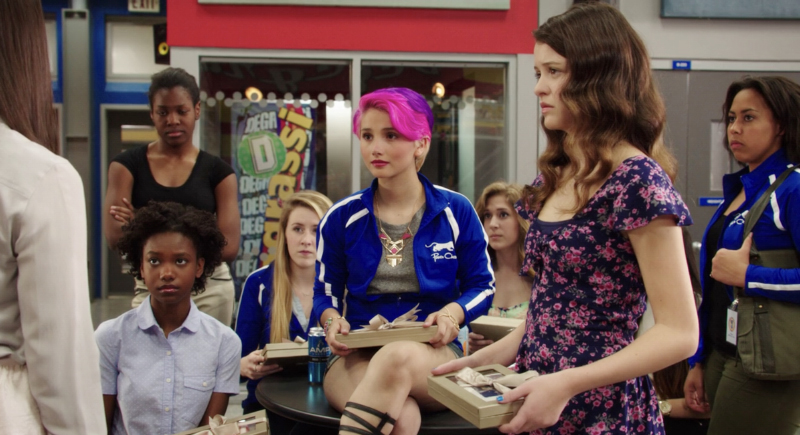
The Degrassi franchise had a loyal fan base prior to 2001, but The Next Generation became its most recognizable iteration. It wasn’t just the return of familiar characters—it was the way the show handled topics like mental health, teen pregnancy, and school violence. The show’s cast even launched the career of future rap star Drake.
Family Matters
Credit: IMDb
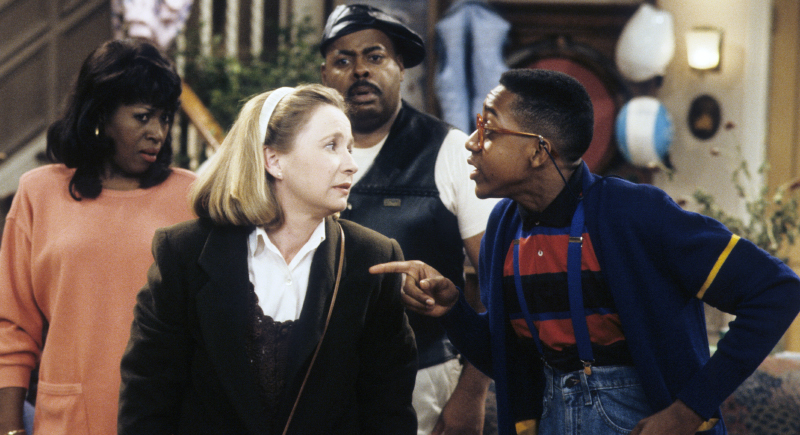
The series began as a spinoff of Perfect Strangers, centered on Harriet Winslow’s family, but the focus shifted once Steve Urkel arrived. A supporting character quickly became a cultural fixture. Urkel’s popularity helped carry Family Matters through nine seasons. The show blended broad comedy with genuine warmth and stood out as one of the most successful Black-led sitcoms of its era.