Ranking All Spider-Man Movies by the Money They Pulled In
Spider-Man has appeared in enough movies to fill multiple timelines, and audiences have followed every version of him into theaters. Lining them up from the lowest earner to the most explosive hit shows just how unpredictable this character’s track record can be. Here are the numbers that shaped his journey on the big screen.
Spider-Man: Into the Spider-Verse (2018) – $374 Million
Credit: IMDb
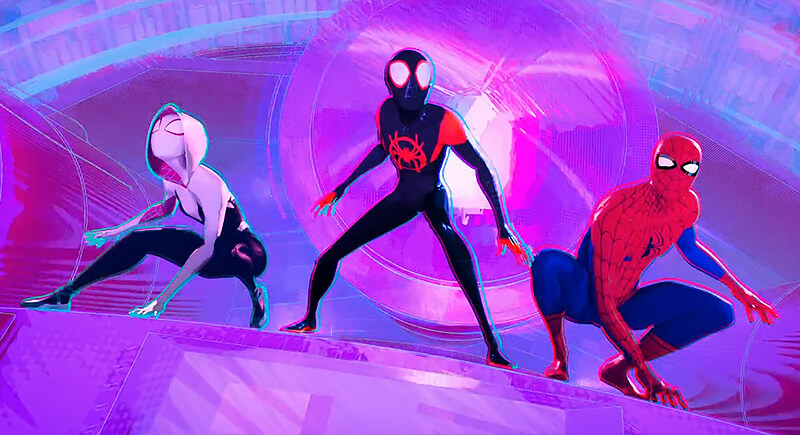
This animated breakout did not dominate financially, but its impact continued to spread long after its release. The art style, the focus on Miles Morales, and the story’s tone made people feel like they were seeing something new. Critics praised it heavily, and the movie eventually became a touchstone for fans.
Spider-Man: Across the Spider-Verse (2023) – $691 Million
Credit: IMDb
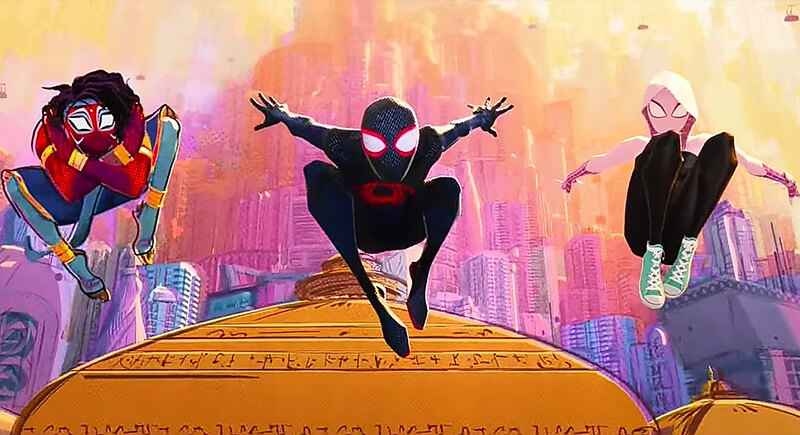
The follow-up nearly doubled the first film’s total. Viewers responded to the wider cast of Spider-people and the emotional weight placed on Miles and Gwen. Every universe had its own visual language, which made the film a constant surprise. It ended on a cliffhanger, yet audiences still walked out satisfied and ready for the next chapter.
The Amazing Spider-Man 2 (2014) – $710 Million
Credit: IMDb
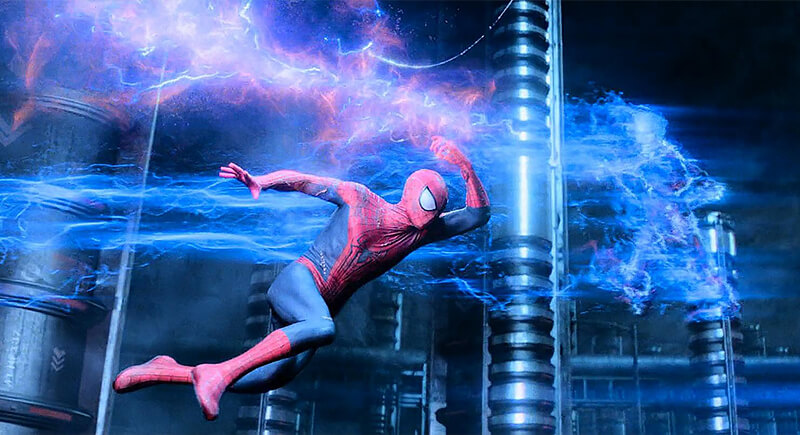
This sequel pushed Peter into heavier territory, weaving Oscorp conspiracies with Gwen Stacy’s defining storyline. Electro’s transformation provided the visual fireworks, while Harry Osborn’s return added personal tension. Even with mixed reactions to its ambition, audiences turned out to see where Andrew Garfield’s version of Spider-Man would land.
The Amazing Spider-Man (2012) – $758 Million
Credit: IMDb
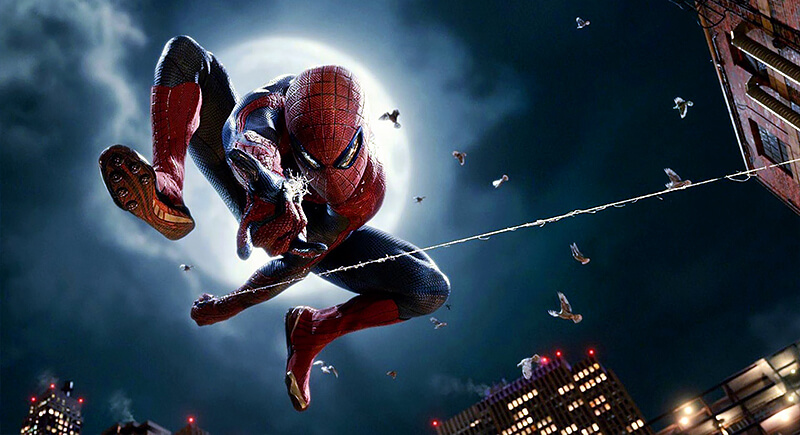
Arriving only a few years after the original trilogy ended, this reboot still managed to draw sizable crowds. Andrew Garfield’s Peter Parker had a sharper edge and a more modern personality, and his scenes with Emma Stone earned consistent praise. Despite the pressure of following such a recent series, the movie pulled in a strong worldwide total.
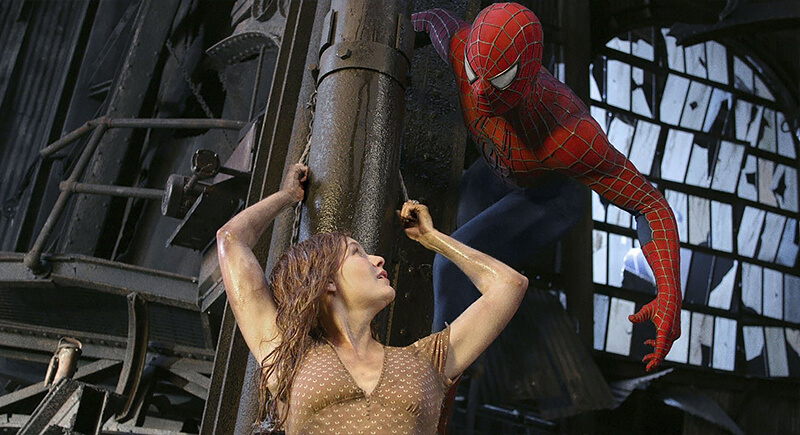
Spider-Man 2 (2004) – $796 Million
Credit: IMDb
Sam Raimi’s second chapter proved that superhero sequels did not have to be bigger to be better. Peter Parker’s struggle to hold his life together resonated with audiences. The train rescue sequence quickly became one of the era’s standout action moments.
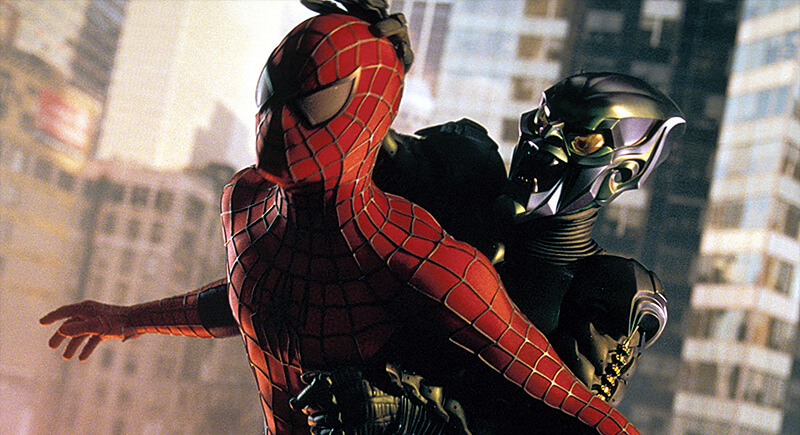
Spider-Man (2002) – $824 Million
Credit: IMDb
Tobey Maguire’s first swing into theaters marked a turning point for superhero films. The excitement around seeing Spider-Man on the big screen for the first time helped pull huge audiences. Willem Dafoe’s intense take on the Green Goblin and the film’s mix of sincerity and spectacle pushed it near the top of the global box office that year.
Spider-Man: Homecoming (2017) – $878 Million

Credit: IMDb
Marvel positioned Tom Holland’s Peter as a kid juggling algebra, crushes, and Stark tech he barely understood. The film leaned into small neighborhood stakes rather than citywide danger. Michael Keaton’s Vulture grounded the conflict in working-class frustration, which resonated with newcomers and longtime fans alike.
Spider-Man 3 (2007) – $896 Million

Credit: IMDb
The final chapter of the Raimi era stacked Peter’s world with shifting loyalties, Sandman’s tragic backstory, and the long-anticipated debut of Venom. The tone swung wildly, partly by design, and that unpredictability drew crowds. Fans curious about how the trilogy would resolve helped push the movie to a massive turnout.
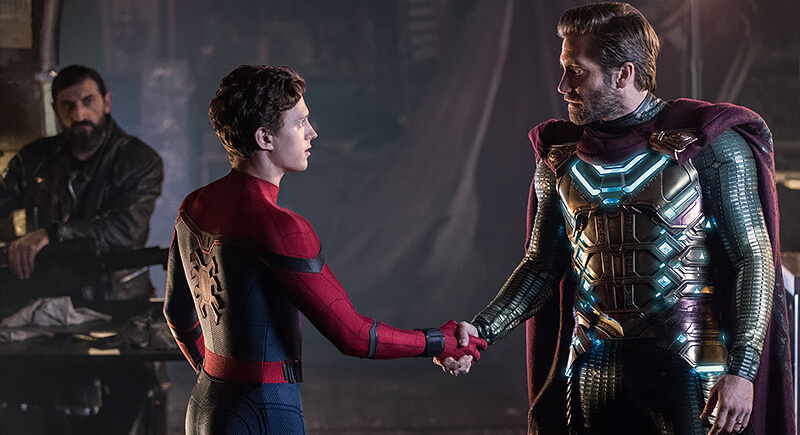
Spider-Man: Far From Home (2019) – $1.13 Billion
Credit: IMDb
Peter hoped for a usual school trip, only to get swept into Mysterio’s staged heroics. The movie explored how illusions can reshape public trust, a phenomenon that resonates even more strongly in a post-Endgame world. Watching Peter adjust to leadership pressure gave the story momentum as he tried to define the hero he wanted to be.
Spider-Man: No Way Home (2021) – $1.92 Billion

Credit: IMDb
This film became a theatrical event by uniting three generations of Spider-Man storytelling. Villains arrived with unfinished business, and the emotional weight surprised audiences expecting a simple crossover. The film used nostalgia to deepen Peter’s arc.