These ‘Smart’ Home Hacks Are Actually Big, Expensive Mistakes
“Smart” home hacks love to promise quick wins. If something appears tidy, fast, or clever, it is often branded as a genius solution before anyone stops to consider the long-term consequences. Homes, though, do not run on shortcuts. They respond to moisture, heat, pressure, and the passage of time. Many of these widely shared tricks fail in slow, expensive ways, surfacing months or years later as repairs, damage, or safety problems that wipe out any savings they once promised.
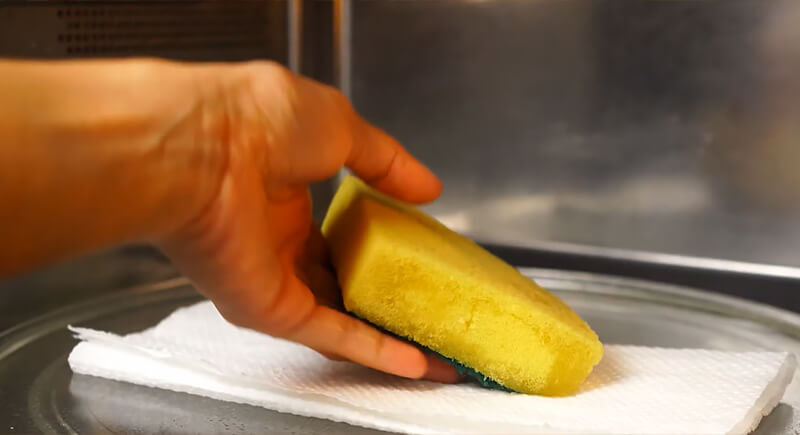
Microwaving a Kitchen Sponge
Credit: Youtube
The appeal is obvious when the sponge comes out steaming hot and smelling clean. That moment creates a false sense of success. In reality, microwaves heat unevenly, which leaves bacteria alive in cooler pockets while synthetic fibers overheat. Fire departments have linked sponge fires to this exact trick, especially when metal scrubbers are mixed in.
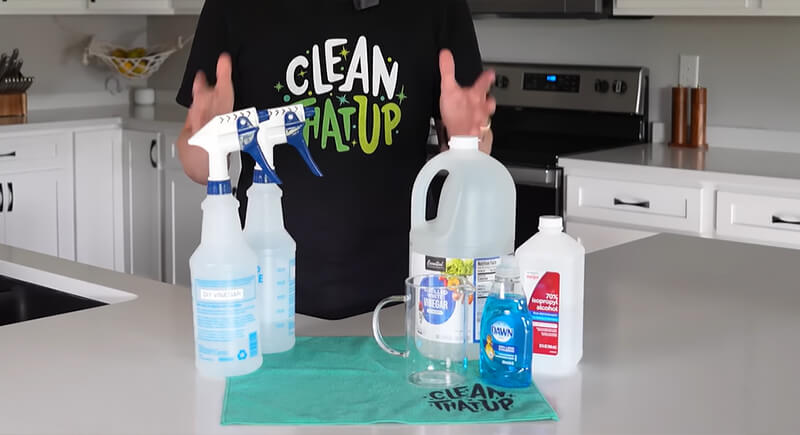
Mixing Vinegar and Bleach
Credit: Youtube
This combination seems logical because both products work well independently. The danger comes from what happens after they meet. The reaction produces chlorine gas almost immediately, which irritates the lungs and eyes. The risk appears quickly, often before people realize what they’ve created in a closed bathroom or kitchen.
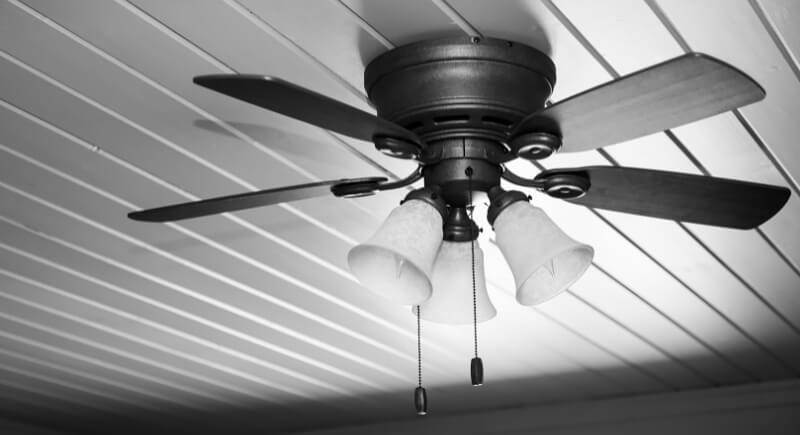
Leaving Ceiling Fans Running
Credit: Getty Images
Ceiling fans move air, not heat, so they only help when someone is there to feel the breeze. The moving air helps sweat evaporate, which makes skin feel cooler. When no one is present, the fan just adds heat from its motor. Over time, that small waste stacks up on electric bills without improving comfort or efficiency.
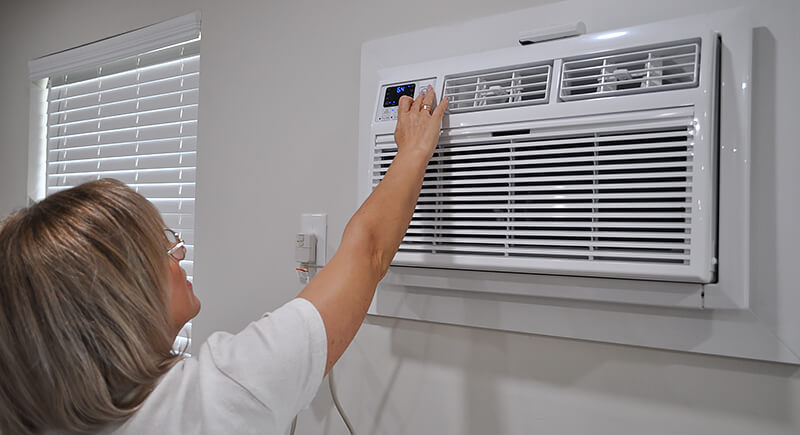
Turning the AC Completely Off
Credit: iStockphoto
Many homes hold onto heat long after the system shuts down. Heat sinks into walls, furniture, and floors and lingers there. When the system starts again, it must work overtime to undo all the buildup. Energy studies consistently show that minor temperature adjustments are less expensive and less damaging to equipment than shutting the system down completely.
Cleaning Disposals With Eggshells and Lemons
Credit: Youtube
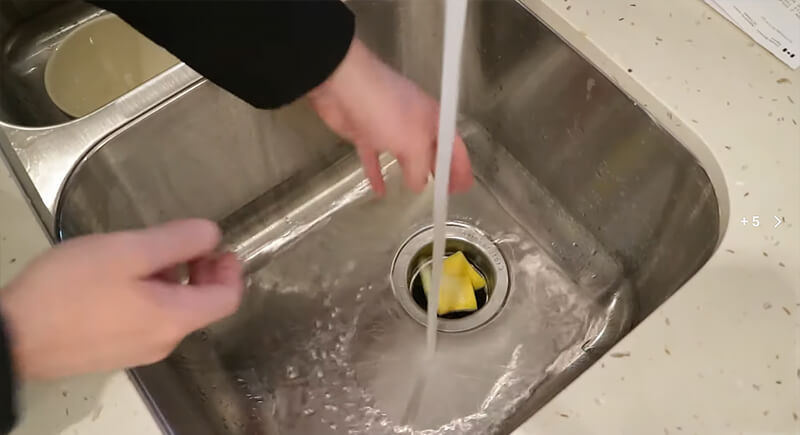
Cleaning a disposal with eggshells and lemons sounds sensible on paper, which is why the advice persists. Inside your pipes, though, it causes more harm than help. Eggshell pieces do not sharpen anything. They bounce around, break down unevenly, and settle where they should not. Citrus peels add another problem by releasing oils that slick the inside of the pipes, rather than cutting through grease. Plumbers regularly point to this habit when diagnosing repeat clogs, especially in older kitchens with tighter drain lines.
Using a Power Drill to Clean the Shower
Credit: Youtube
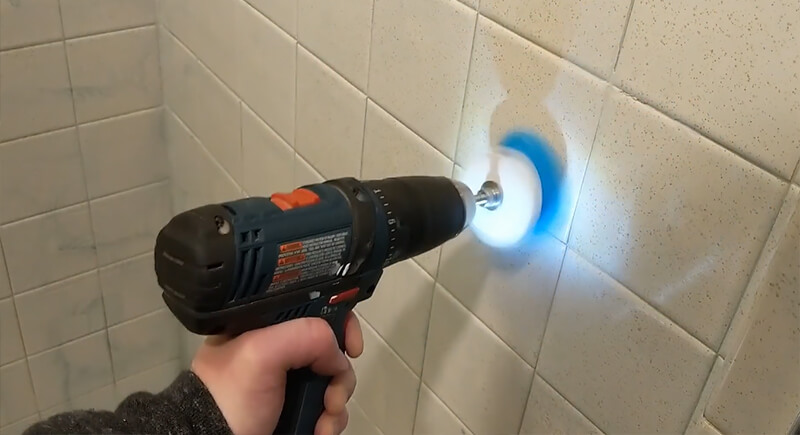
Spinning brushes at high speed can chip grout, scratch fixtures, and loosen tiles without much warning. And when water is included, the risk rises quickly. Insurers and contractors frequently flag this type of damage as avoidable, expensive, and surprisingly common following viral “speed cleaning” trends.
Painting Over Exposed Brick
Credit: pexels
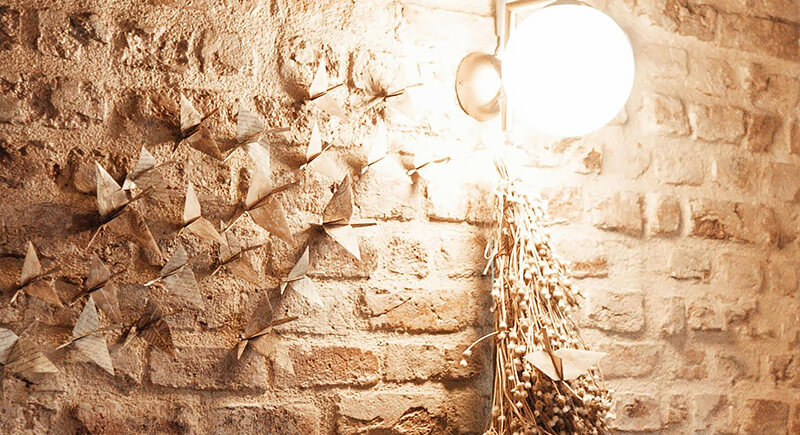
Brick is supposed to breathe. When paint seals it off, trapped moisture slowly breaks the material down from the inside. The damage doesn’t show right away, which exacerbates the problem. Bubbling paint, flaking mortar, and white powdery residue often appear years later, turning a cosmetic update into a structural repair that costs far more than expected.
Using Bath Bombs Too Often
Credit: Wikimedia Commons
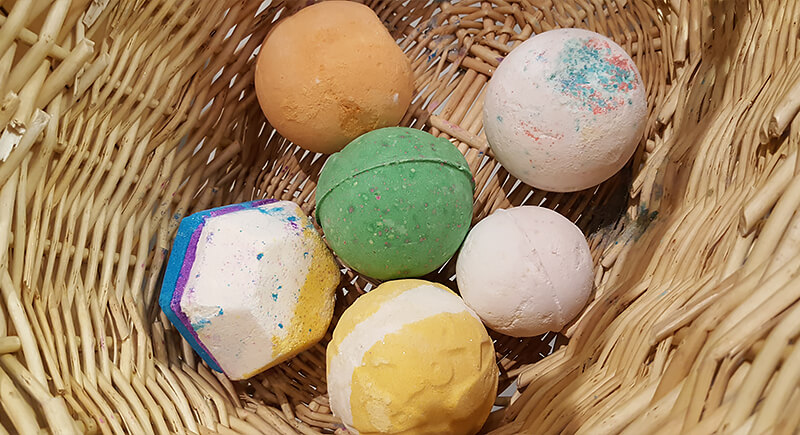
Bath bombs melt away in the tub, but their effects do not end there. Oils, salts, dyes, and binding agents travel down the drain and often collect where pipes curve or tighten. Using them occasionally is usually fine. Making them a regular habit can slowly create buildup. The money saved by skipping spa visits often comes back later as an unexpected plumbing bill.
Scrubbing Upholstery With Dishwasher Tablets
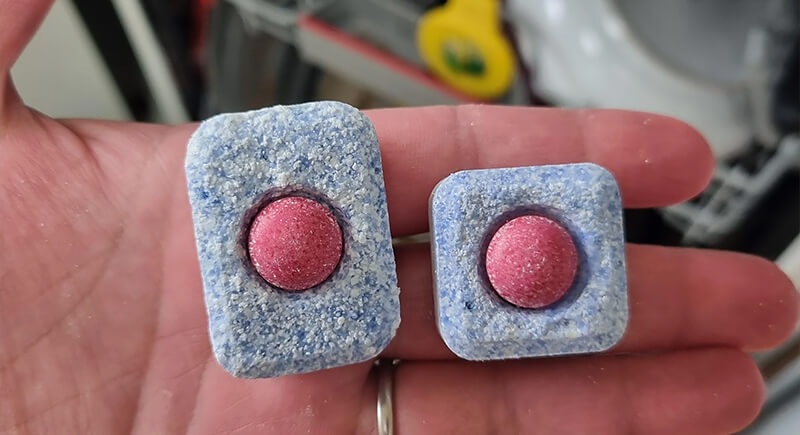
Credit: Reddit
Dishwasher tablets are designed for use with heat, steel, and heavy-duty food residue, not fabric. When rubbed into couches or chairs, the chemicals can bleach color, weaken fibers, and leave residue that attracts more dirt later. Insurance adjusters often see claims tied to DIY fabric cleaning gone wrong, especially after viral videos promise fast results without showing the aftermath.
Steam Cleaning Wood or Laminate Floors
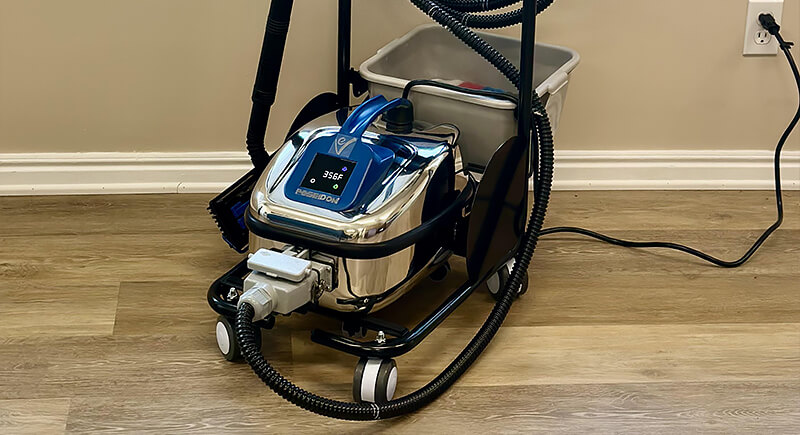
Credit: Reddit
Steam feels mild until it finds its way into seams. Once moisture gets trapped, boards swell, edges lift, and finishes lose their clarity in ways that rarely bounce back. That is why many flooring warranties clearly warn against using steam. What begins as a simple, chemical-free idea often ends with uneven planks, dulled surfaces, and repair quotes no one expected.