Weird Physical Signs You Are Actually Dangerously Sleep Deprived
When most people think of dangerous sleep deprivation, they picture someone falling asleep at a desk or yawning through an entire meeting. In reality, the body can start showing warning signs long before you can no longer hide total exhaustion. People begin dropping things, slurring words, bumping into furniture, getting sick more frequently, or struggling to keep their eyes open during normal conversations. Many never connect those problems to sleep at all.
Doctors and sleep researchers have found that severe sleep loss can interfere with coordination, reaction time, muscle control, appetite, immune function, and the brain’s processing of information. Some symptoms seem random on their own, but together they can point toward a body under heavy stress.
Microsleeps That Happen Without Warning

Credit: Canva
One second, someone is staring at a traffic light or reading a sentence, and the next few seconds seem to pass in a blur. This phenomenon is called a microsleep. Attention briefly drops out as parts of the brain slip into a sleep-like state, even while the person remains sitting upright with eyes partially open. Some people jerk awake and never realize they lost focus for several seconds. Sleep researchers consider this one of the more dangerous stages. Truck drivers, medical residents, pilots, and overnight workers have all reported these lapses after extended periods of sleep deprivation.
Eyelids That Physically Refuse to Stay Open
Credit: Canva
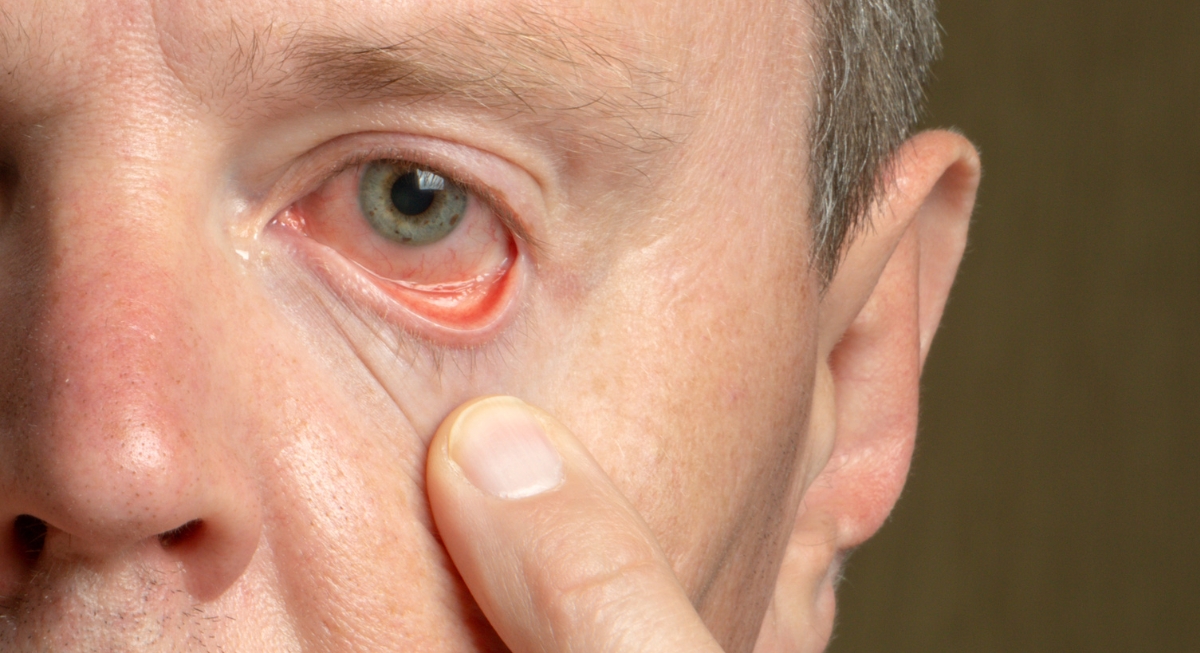
Sleep deprivation eventually makes blinking a struggle. The muscles around the eyes lose endurance, and heavy lids keep sinking shut during conversations, meals, or work meetings. Some people raise their eyebrows constantly to keep their eyes open longer. The body starts conserving energy where it can, and heavy eyelids are among the more noticeable signs.
Random Bruises From Bumping Into Things
Credit: Getty Images
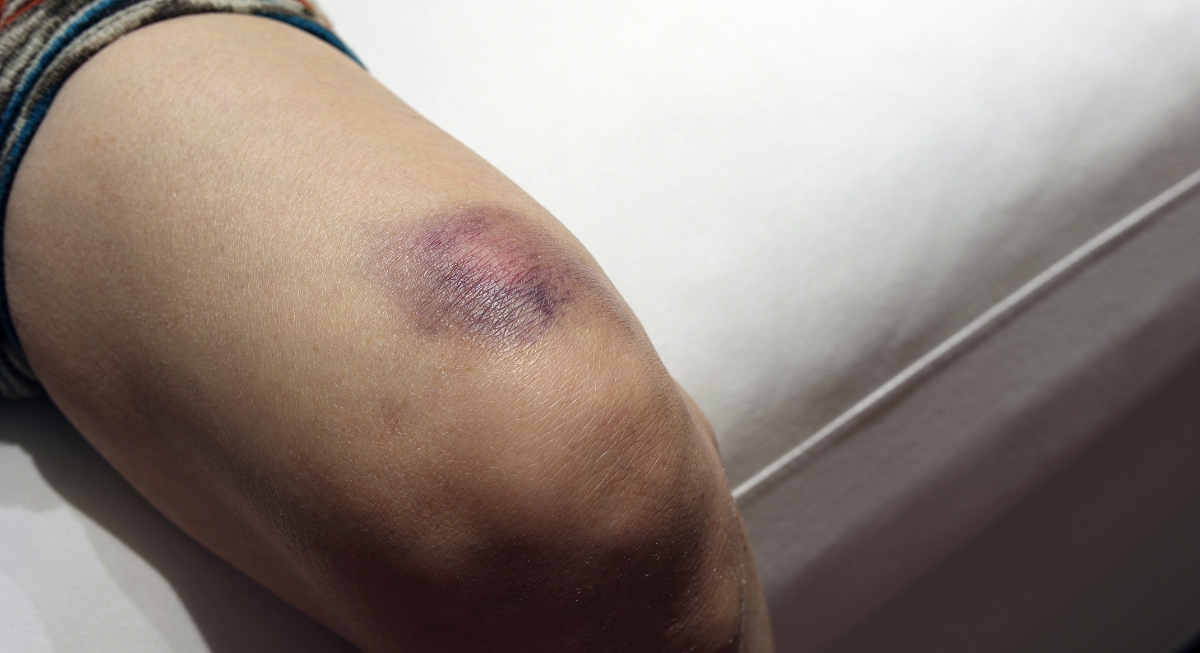
People running on little sleep may not move as smoothly as they normally would. They might even end up clipping their shoulders on doorframes or hitting their elbows on counters. Many sleep-deprived people discover bruises later and cannot remember exactly how they got them. Researchers tie this to slower reaction time and reduced spatial awareness, both of which can worsen after poor sleep.
Slurred Speech That Sounds Like Mild Drunkenness
Credit: Canva
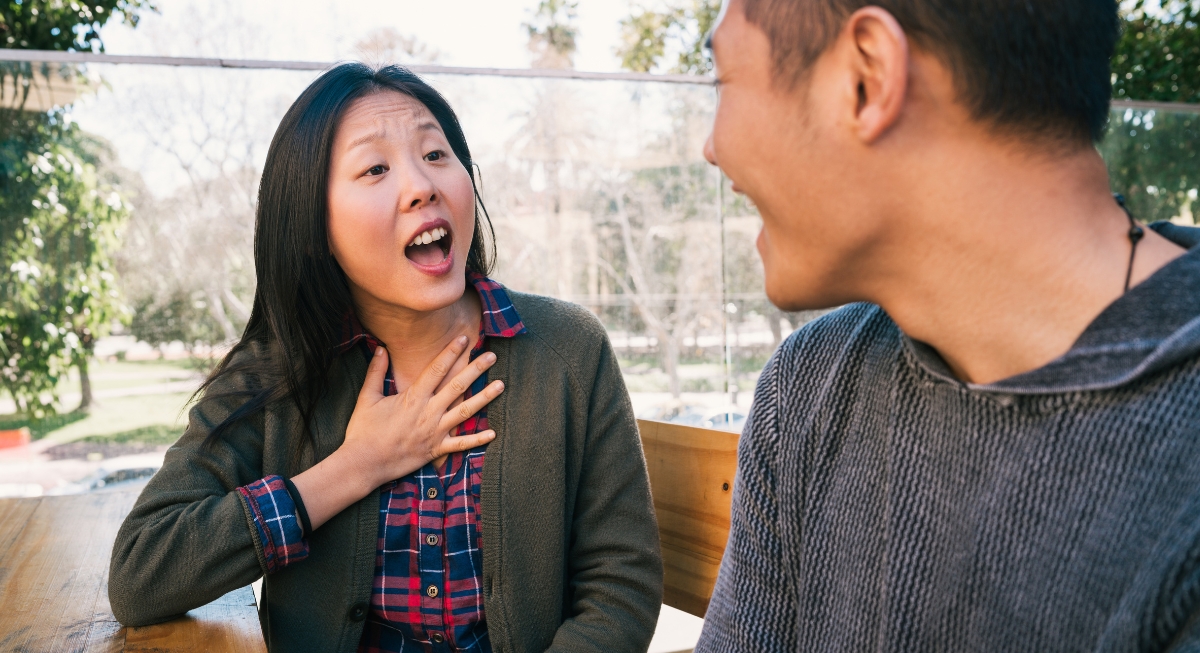
Scientists have compared severe sleep deprivation to alcohol impairment because the effects on reaction time and cognitive performance can be surprisingly similar. Friends sometimes notice the change before the exhausted person does. After enough sleep loss, conversations can require more effort than they should.
Eye Twitches That Won’t Stop
Credit: Canva
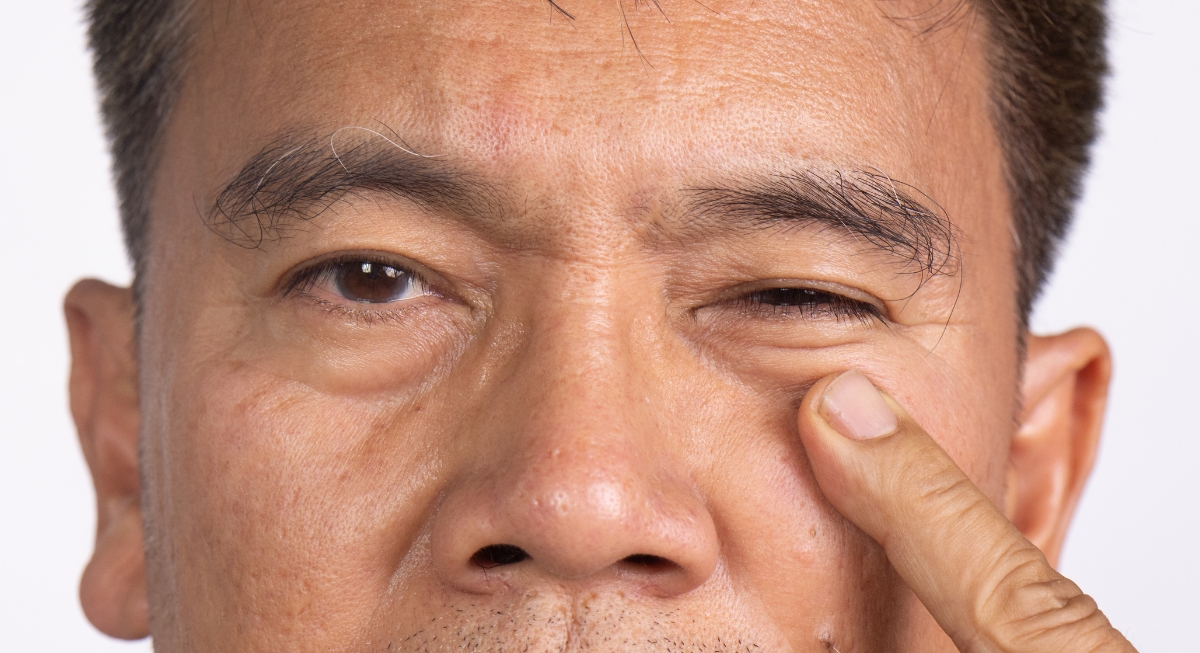
A small flutter beneath the eyelid can stick around for days when sleep debt builds up. The twitch itself is harmless in most cases, but it becomes more likely when fatigue, stress, caffeine, and screen exposure pile up together. Many people trying to push through exhaustion rely heavily on coffee or energy drinks, which can add to the problem. The muscle keeps firing tiny contractions without warning. Some people notice it during meetings or while reading, where the twitch becomes so distracting that it breaks concentration.
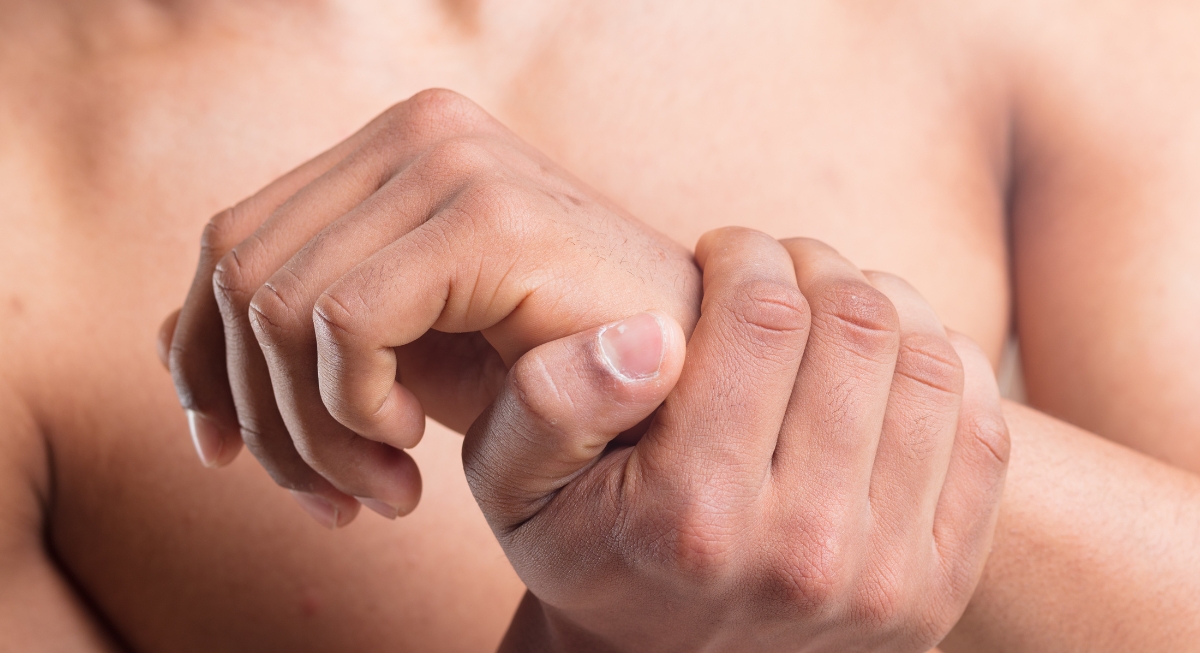
Hands That Suddenly Lose Grip Strength
Credit: Getty Images
Exhausted people drop phones, miss catches, fumble keys, and lose control of objects they normally handle without thinking. Grip strength and hand coordination can decline when the brain and muscles fail to communicate efficiently after poor sleep. Athletes realize sleep loss affects precision movements before total physical collapse. Surgeons, mechanics, and assembly workers also report more mistakes during extended shifts.
Constant Chills Despite Normal Temperatures

Credit: Getty Images
Sleep plays a role in temperature regulation. Some severely sleep-deprived people start carrying hoodies everywhere because they feel cold in rooms that seem comfortable to everyone else. The body struggles to maintain stable internal conditions when recovery time keeps shrinking night after night. Fatigue can also affect circulation and metabolism, which may contribute to that chilled feeling.
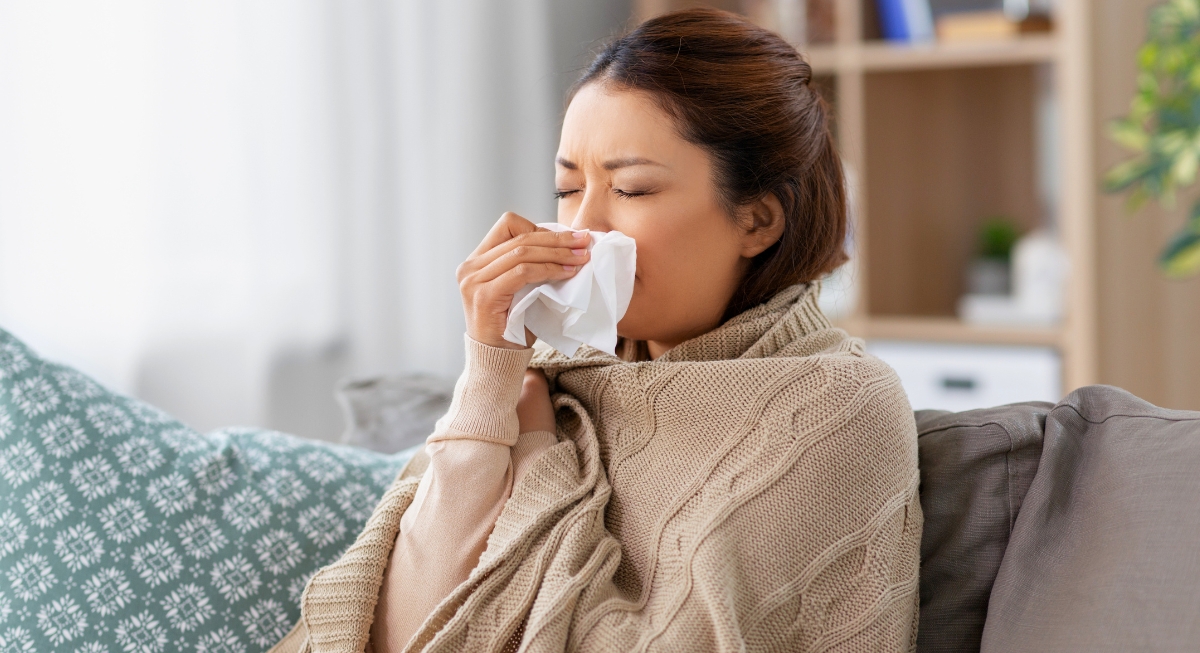
Getting Sick Back-to-Back
Credit: Syda Productions
People who barely sleep may become more vulnerable to infections. One cold fades, another arrives two weeks later. Suddenly, it feels like you can’t fight off the littlest illness. Poor sleep is linked to reduced activity from cells that help target infections. Even vaccines may become less effective in chronically sleep-deprived people. The body performs important immune maintenance during sleep, especially during deeper stages. Without enough recovery time, defenses weaken.
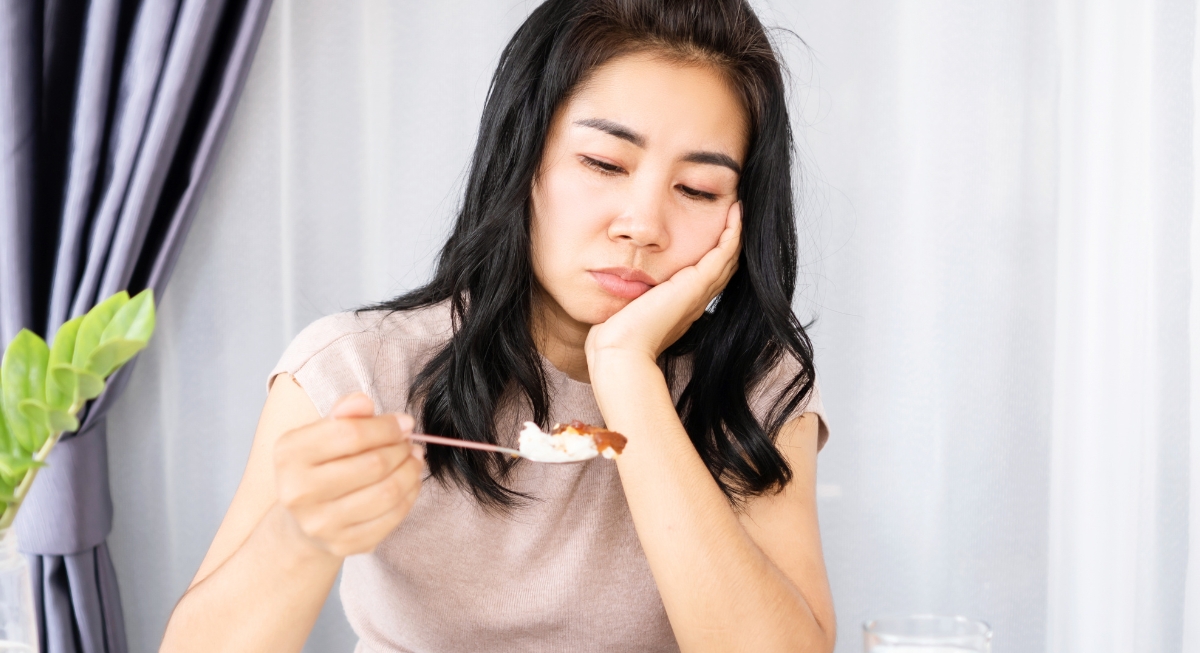
Appetite Swings That Hit Hard Late at Night
Credit: Getty Images
Severe sleep deprivation can make some people lose interest in meals entirely or start having cravings. This is linked to disruptions in hormones such as ghrelin and leptin, which help regulate hunger and fullness. The brain also starts seeking quick energy when exhaustion builds. This helps explain why sleep-deprived people may gravitate toward chips, candy, drive-thru meals, and caffeine-loaded drinks during overnight hours.
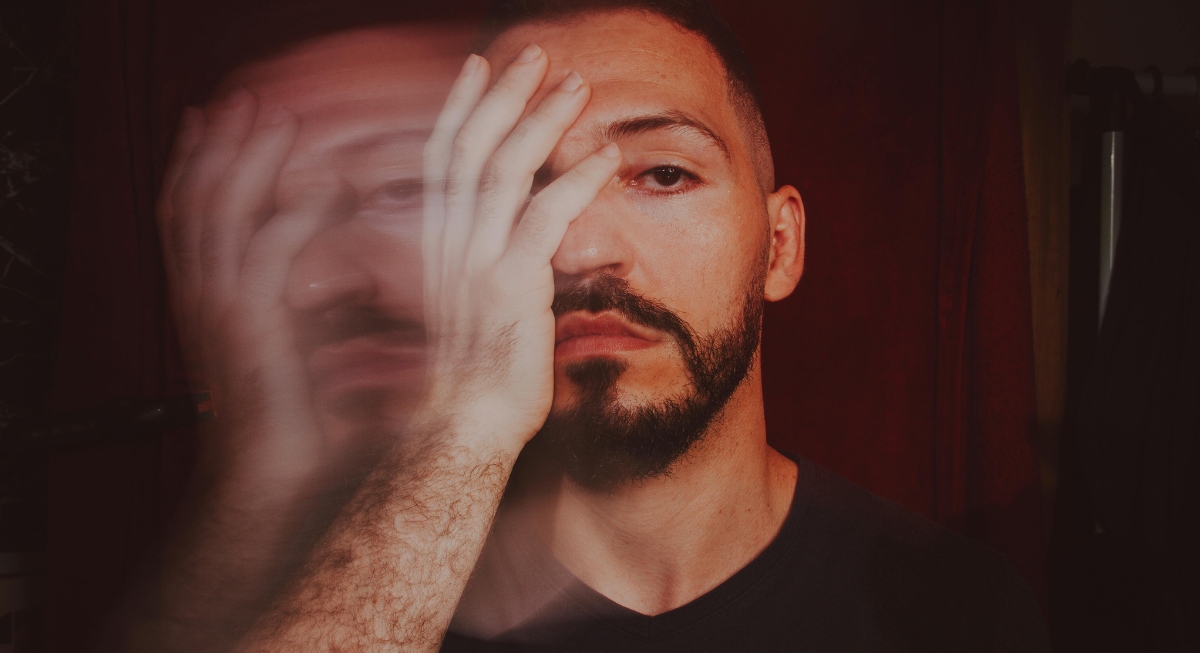
Brief Hallucinations or Shadowy Visual Distortions
Credit: pexels
At the extreme of sleep deprivation, the brain can misprocess sensory information and distort visuals. People report seeing shadows move in peripheral vision, mistaking objects for people, or hearing sounds that never happened. Military survival training and medical studies have documented hallucinations after prolonged wakefulness. The mind struggles to separate reality from subconsciousness. Some people also become emotionally unstable or paranoid alongside the hallucinations.