10 Things Only a Few People on Earth Can Do
Some physical traits and neuromuscular abilities occur in only a small percentage of the population. Genetics, muscle structure, and nerve control all play a role in who can perform them. In some cases, fewer than 10 percent of people share the ability. Here are a few uncommon skills and biological quirks that only a small slice of the world can actually do.
Speak More Than One Language Fluently

Credit: Canva
In some countries, switching languages mid-sentence is normal. Globally, though, only about 40% to 45% of people speak more than one language fluently. That means most of the world speaks just one. Fluency usually depends on early exposure, education, and environment. In parts of Europe and Africa, bilingualism is common. In the United States, it is far less typical. Studies show that multilingual speakers often demonstrate differences in memory processing and cognitive flexibility compared to monolingual speakers.
True Ambidexterity

Credit: Getty Images
Using your non-dominant hand to brush your teeth does not count. True ambidexterity means equal strength, coordination, and precision in both hands. Only about 1% of people can genuinely do that, as it requires unusually balanced motor control across both hemispheres of the brain, which is why it is so rare. Around 10% of humans are left-handed, while the rest are predominantly right-handed.
Raise One Eyebrow

Credit: Getty Images
A dramatic single eyebrow raise looks effortless on screen, but only about 20% to 30% of people can do it independently. The movement depends on isolating specific fibers of the frontalis muscle in the forehead. Most people can lift both eyebrows together, but cannot separate the action. The tiny expression is really a small demonstration of neuromuscular precision.
Wiggle Their Ears
Credit: pexels
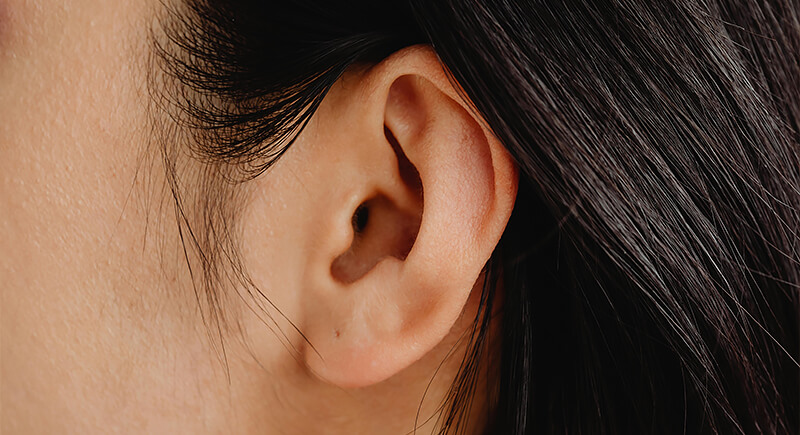
Ear wiggling sounds like a childhood talent, but only around 10% of people can voluntarily move their ears. Humans still have auricular muscles, but they are considered vestigial because they once helped ancestors rotate their ears toward sound. In most people, these muscles respond only minimally to conscious effort.
See Ultraviolet Light After Lens Removal
Credit: pexels
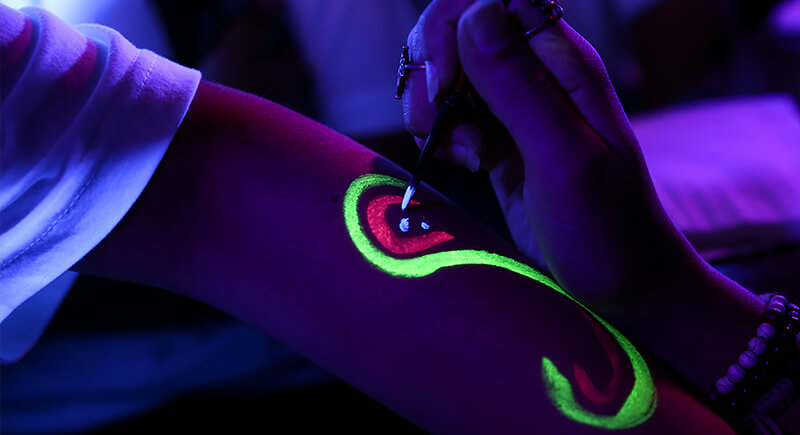
Most humans cannot see ultraviolet light because the natural lens in the eye filters it out. However, people who have had their lens removed, such as after cataract surgery without UV-filtering replacement lenses, can sometimes perceive ultraviolet as a whitish-blue glow. This phenomenon has been documented in a small number of cases. It reflects how much visual perception depends on eye anatomy.
Control The Tensor Tympani Muscle
Credit: Canva
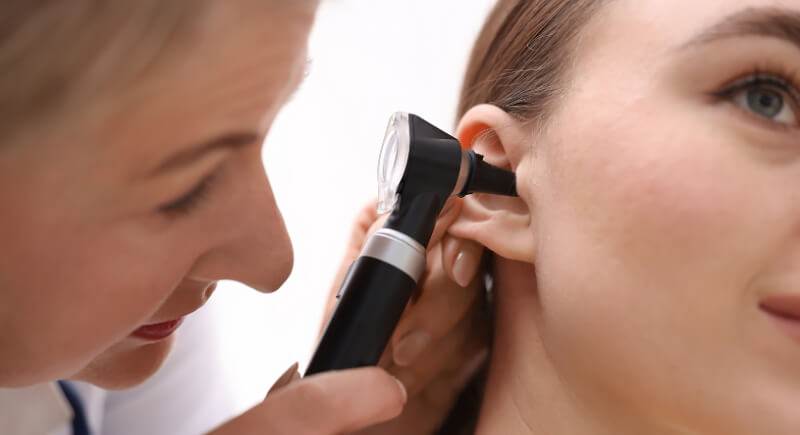
Only 14% to 43% of people can voluntarily activate the tensor tympani muscle in their ears. When they do, they hear a low rumbling sound that no one else can detect. Normally, this muscle contracts automatically to dampen loud noise. Conscious control is unusual because the muscle is not typically under voluntary command.
Voluntarily Trigger Goosebumps
Credit: Getty Images
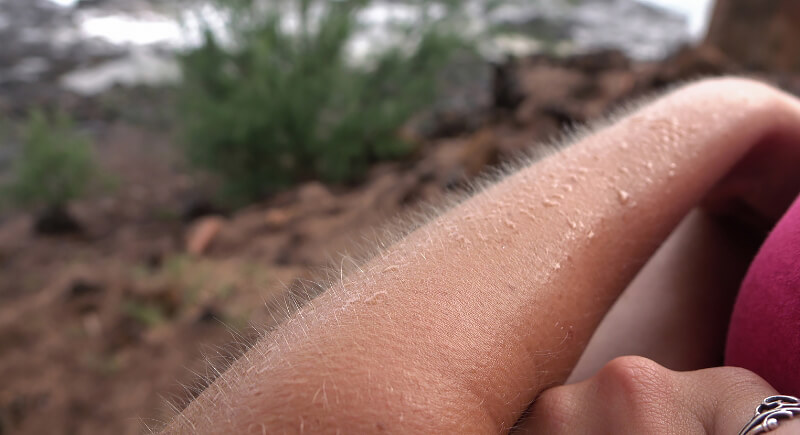
Goosebumps are usually automatic. They appear when someone feels cold or experiences strong emotion. Only a small percentage of people report being able to trigger them on command without temperature changes. This voluntary piloerection appears to involve an unusual level of control over the sympathetic nervous system.
Identify Perfect Pitch

Credit: Canva
Perfect pitch, also called absolute pitch, allows someone to name a musical note instantly without hearing a reference tone. Only a small percentage of people have it. Research shows it appears more frequently in individuals who began musical training very early in childhood. It is also more common among speakers of tonal languages such as Mandarin. Most musicians rely on relative pitch instead.
Experience Synesthesia

Credit: Getty Images
Only about 2% to 3% of people experience synesthesia, in which senses blend. Someone might see colors when hearing music or consistently associate numbers with specific hues. Brain imaging studies reveal increased connectivity between sensory regions in individuals with synesthesia. The associations remain stable over time and reflect genuine neurological variation.
Taste Bitterness Intensely

Credit: Canva
Not everyone tastes Brussels sprouts the same way. Variations in the TAS2R38 gene create what scientists call supertasters. These individuals are highly sensitive to bitterness and may find certain vegetables, coffee, or dark chocolate overwhelmingly sharp. The difference stems from higher taste receptor density and altered gene expression. A simple bite of broccoli can feel radically different depending on your DNA.