14 Signs You Might Be a Highly Sensitive Person
Some people notice more, feel more, and need more time to reset. Crowded places drain them quickly. Small comments linger. Sensory details stand out instead of fading into the background. This experience is common, not unusual. Around 15 to 20 percent of people share this temperament, known as sensory processing sensitivity. It is not a diagnosis, just a pattern in how the world is taken in and processed.
You Can Sense a Mood Before Anyone Says a Word

Credit: pexels
Walking into a room, you can almost read the emotional temperature like a weather app. Researchers say that highly sensitive people process subtle cues in body language, facial expressions, and voice tone more quickly and deeply than most, which makes them unusually adept at spotting shifts in mood or energy.
Criticism Feels Like a Punch, Not a Push

Credit: Canva
A simple “you could do this better” lands like a breakup text. Constructive or not, feedback tends to hit deeper and hang around longer. That’s because their emotional memory tends to run strong. Even after days, they might still be thinking about a single comment made in passing.
Background Noise Isn’t Just Annoying, It’s Exhausting

Credit: Getty Images
Imagine trying to finish a sentence with five radios on in the background. That’s what some open office spaces or crowded cafes can feel like for someone with high sensitivity. Buzzing lights, clinking dishes, overlapping conversations—all of it registers at full volume. Over time, it zaps energy and focus.
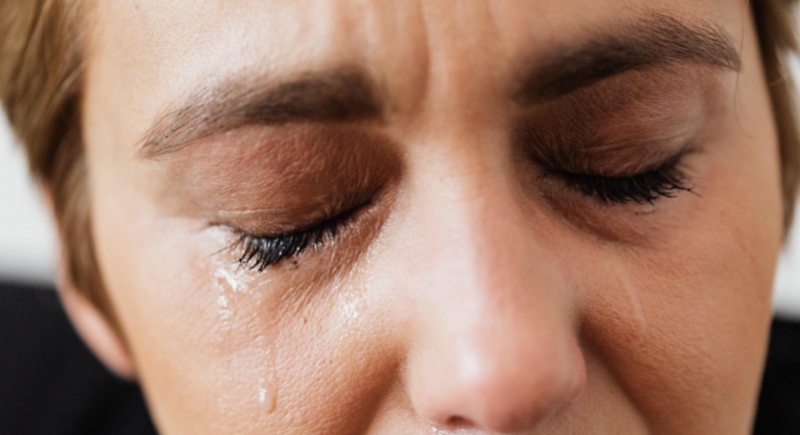
You Tear Up at Commercials
Credit: pexels
A simple reunion scene or a sentimental ad can bring tears without warning. It is not about being fragile. Emotional moments register more fully and stay closer to the surface. Research suggests highly sensitive people show stronger activity in brain regions linked to empathy and emotional processing, even when the situation on screen is fictional.
You Replay Conversations in Your Head for Hours

Credit: Canva
The chat ended an hour ago, but your brain is still rerunning it like a highlight reel. That joke you told—was it weird? That silence—was it awkward? This habit of reflecting deeply is built into how they experience social situations. It’s not necessarily anxious behavior, just detailed and persistent internal processing.
Busy Days Leave You Mentally Fried

Credit: Getty Images
A jam-packed schedule often drains every ounce of their mental energy. That’s because they process each experience more thoroughly, so multiple errands or meetings can feel like sensory overload. They’re more likely to need a quiet, dark room after a hectic day.
Violent Movies? Hard Pass.

Credit: Canva
Violent or chaotic shows tend to hit differently. Graphic scenes do not fade once the episode ends and can linger long after. Research by Elaine Aron suggests highly sensitive people have stronger startle responses and deeper empathic reactions, which makes witnessing pain on screen, even when fictional, feel far more intense than it does for others.
You Need More Time Alone Than Most People Understand

Credit: Getty Images
Spending time alone is a requirement. Highly sensitive people often need downtime without stimulation to sort through their thoughts, like zoning out with music or just sitting in silence. Without this kind of recovery period, their mood and energy levels take a real hit, even if they love being around people.
Physical Discomfort Gets Amplified

Credit: Canva
An itchy tag or even hunger can mess with a highly sensitive person’s ability to function. Their threshold for physical discomfort tends to be lower because their nervous system processes those signals more intensely. A slightly cold room or a scratchy fabric might go unnoticed by most—but not here.
You Worry About Others’ Comfort Constantly

Credit: pexels
While someone else might miss the shivering guest or the overtalked friend, a highly sensitive person often notices right away. Their radar for other people’s emotional and physical states is always on, which makes them great at creating comfort, but also susceptible to absorbing stress that isn’t even theirs to carry.