Dark Signs Nature Shows Before a Natural Disaster
Nature issues warning signals long before disaster strikes, and scientists track many of these patterns in weather and geology research. Pressure changes, seismic energy shifts, and environmental stress often first manifest in air, water, plants, or wildlife. These signs cannot predict exact timing, but they often appear often enough that emergency agencies still take them seriously during monitoring.
Strange Sky Colors
Credit: pexels
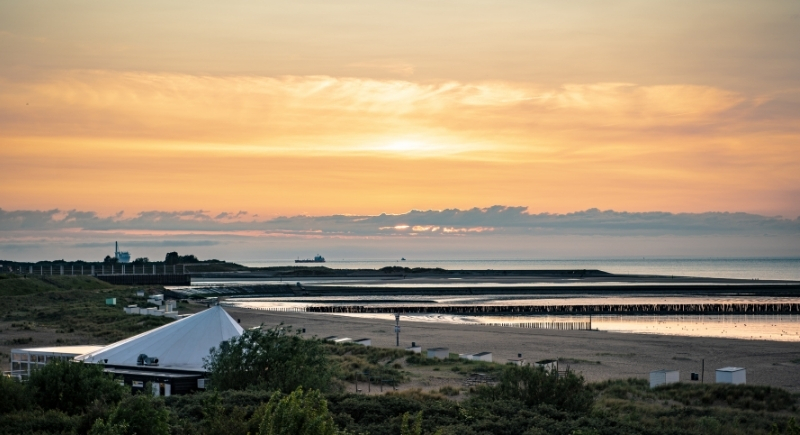
A green or yellow sky can look scary, especially because it often precedes severe thunderstorms. The color happens when sunlight filters through thick storm clouds packed with rain or hail. Supercell storms that produce tornadoes often create this effect during late afternoon. Meteorologists track these colors because moisture density changes how light scatters through the atmosphere during intense storms.
Mass Animal Movement
Credit: Getty Images
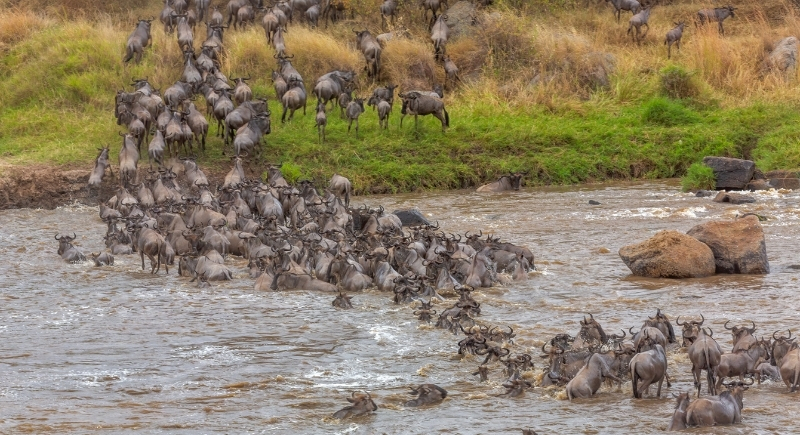
Whenever wildlife suddenly moves together, it can signal environmental stress building nearby. Animals detect ground vibration and air pressure drops earlier than humans can. Livestock agitation has been reported hours before earthquakes in multiple historical events. Wild animals also flee early from wildfires because smoke, heat, and sound changes spread ahead of visible flames.
Trees React Before Humans
Credit: Getty Images
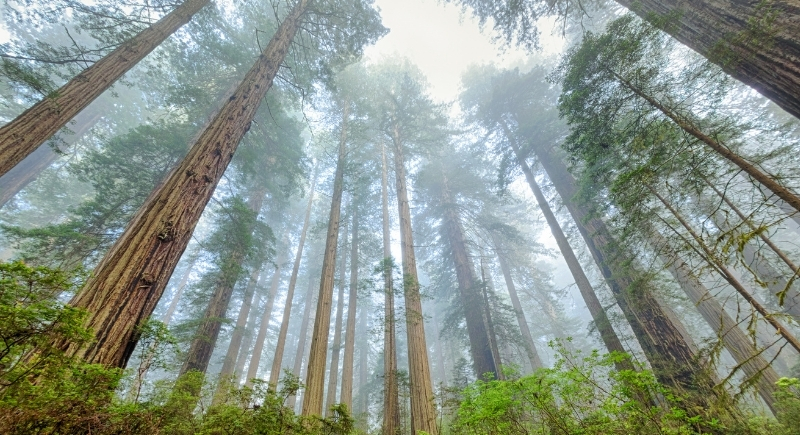
Tree branches and leaves can start shifting before storms reach an area. Gust fronts push strong winds outward ahead of rain bands. Forest monitoring tools measure tree sway to help track incoming storm systems. Plants respond physically to humidity spikes and air pressure drops, which often occur before humans notice weather changes.
Dead Calm Ocean
Credit: unsplash
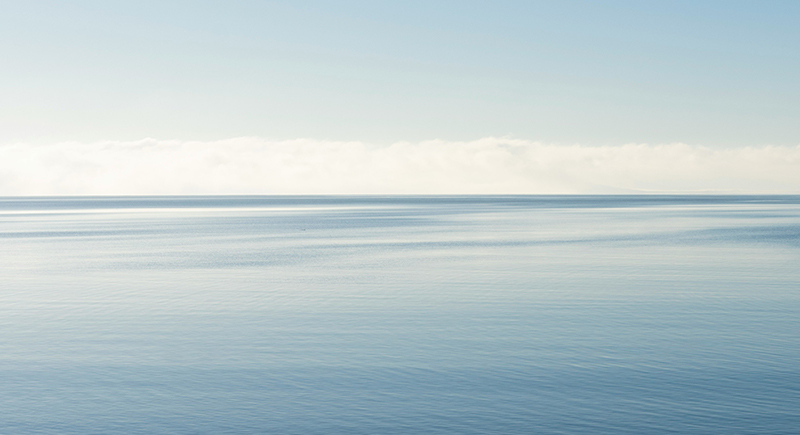
Still ocean water can feel eerie because wind often weakens right before major storms. Tsunamis sometimes pull ocean water away from shore before waves arrive. This happens because the trough reaches land before the wave crest. Tsunami waves can travel at speeds of up to 500 miles per hour across deep water, so sudden shoreline retreat is extremely dangerous.
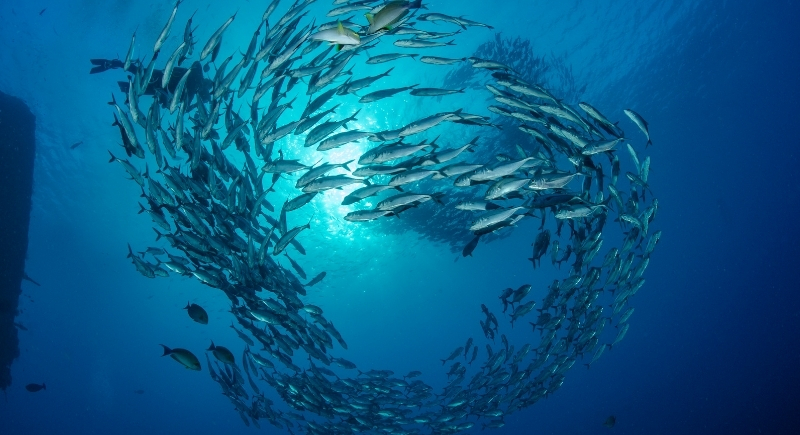
Fish Moving The Wrong Way
Credit: Getty Images
Marine researchers track abnormal fish movement because it often aligns with changes in water chemistry or shifts in underwater energy. Fish swimming near the surface can signal falling oxygen levels in water. Storm runoff, algae blooms, or underwater disturbance can all cause oxygen drops. Seismic vibrations can also disrupt normal school schedules.
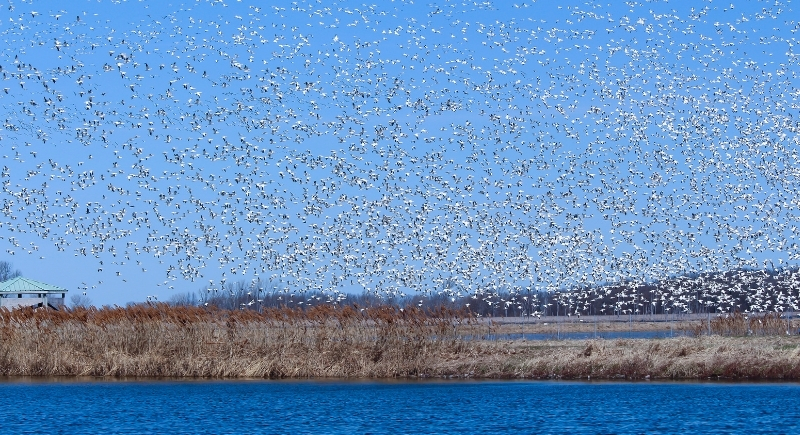
Erratic Bird Flight
Credit: Getty Images
Birds flying low or moving in chaotic patterns often react to falling barometric pressure. Lower air pressure reduces air density, which makes high-altitude flight harder. Coastal birds often move inland before hurricanes arrive. Weather radar studies show that flock movement patterns change during strong pressure drops associated with severe storm systems.
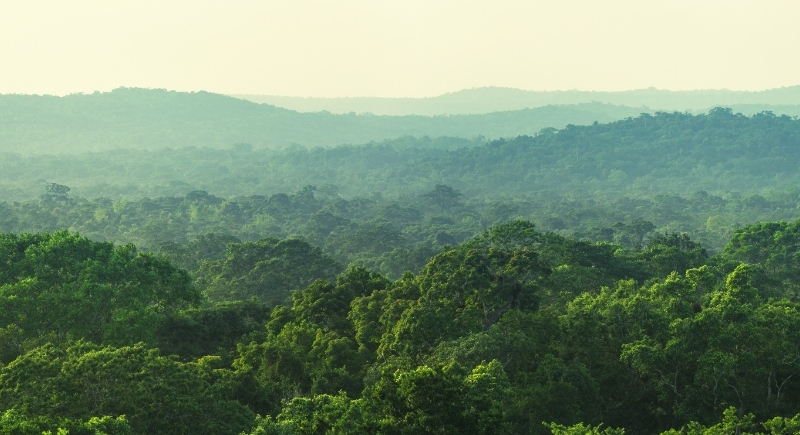
Unnatural Forest Silence
Credit: Getty Images
Wildlife cameras have recorded lower animal activity before certain earthquakes in limited studies. A forest going suddenly quiet often means animals are reacting to environmental stress. Birds and insects reduce movement when pressure drops fast before storms. Silence occurs when animals hide or seek shelter as environmental conditions shift quickly.
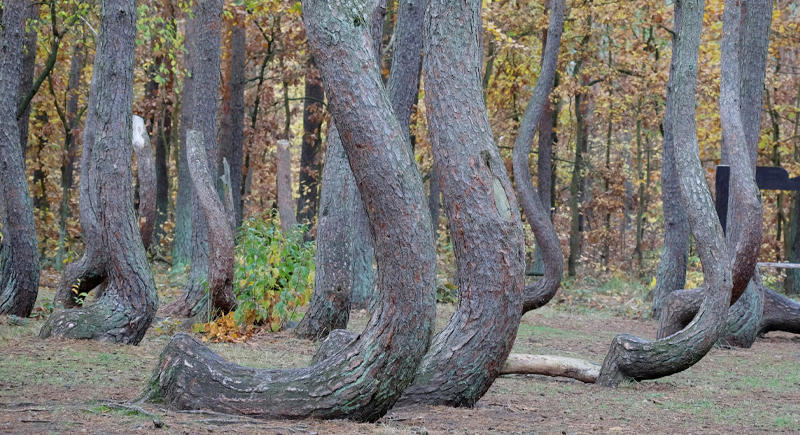
J-Shaped Trees
Credit: pexels
Curved tree trunks that form a J shape usually grow on slowly moving ground. Soil creep pushes tree bases downhill while tops keep growing upward. Geologists look into these trees to identify slopes with a history of landslides. These trees do not warn of immediate collapse, yet they show that ground movement has happened repeatedly there.
Cracking Snow And Whumpf Sounds
Credit: Getty Images
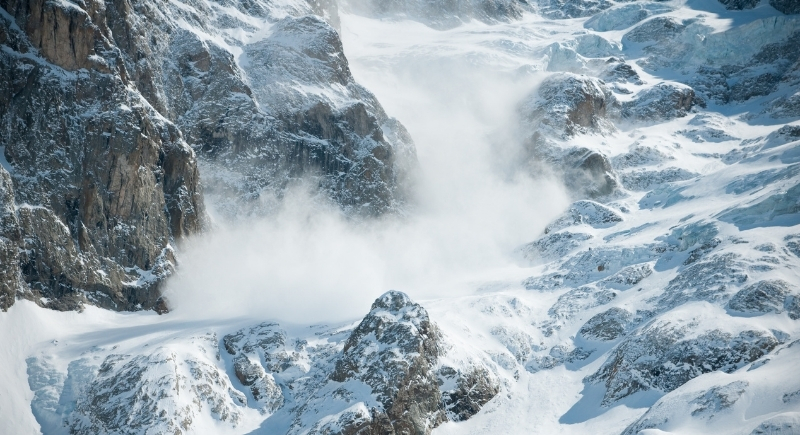
Avalanches can move faster than 200 miles per hour on steep slopes, and snow cracking under your feet means snow layers are sliding over weaker layers underneath. The whumpf sound comes from air pockets collapsing inside unstable snowpack. Avalanche safety training treats cracks and hollow snow sounds as immediate signals to leave the slope fast.