10 Shows That Keep Toddlers Engaged Without Overstimulating Them
Every pediatric study on toddler media keeps pointing to the same reality: calmer shows help young brains stay regulated. Experts connect slower pacing and softer visuals with steadier emotions during screen time. Thus, parents are increasingly choosing lower-stimulation programs. These shows keep toddlers interested while supporting social, emotional, and language development.
Daniel Tiger’s Neighborhood
Credit: IMDb
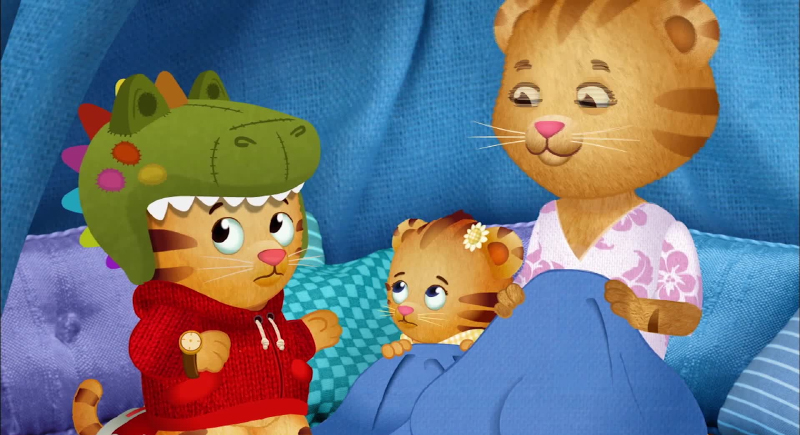
In the land of Make-Believe, Daniel Tiger’s Neighborhood teaches social skills through songs and relatable stories. The show was inspired by Mister Rogers’ Neighborhood, which focused on emotional development and kindness. Episodes move at a slower pace than many modern kids’ shows, and the storytelling focuses on daily life lessons, such as sharing or managing feelings.
Little Bear
Credit: IMDb
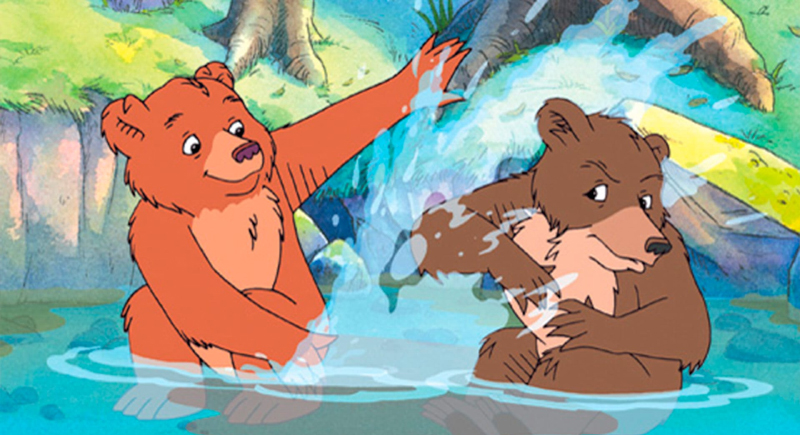
Little Bear follows a young bear learning about friendship and family through everyday adventures. It uses gentle animation and simple storytelling that toddlers can follow easily. To model family support, episodes often include parents helping solve problems. Themes regularly include empathy and imagination, two common goals of low-stimulation programming.
Ms. Rachel
Credit: IMDb
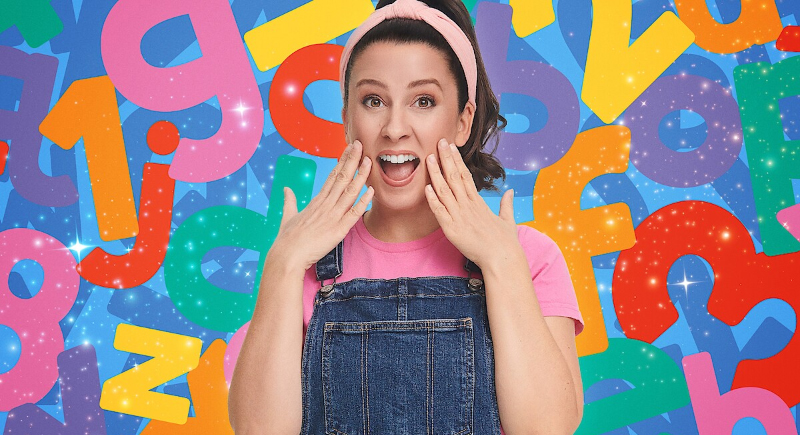
If speech therapists made a sing-along channel, it would probably look a lot like Ms. Rachel. Lessons focus on early speech skills, counting, and emotional words. The creator is trained in early childhood education, so they know that clear mouth movement and repetition support language learning. Many toddlers watch it on YouTube, while selected episodes stream on Netflix for families who want structured viewing.
Franklin
Credit: IMDb
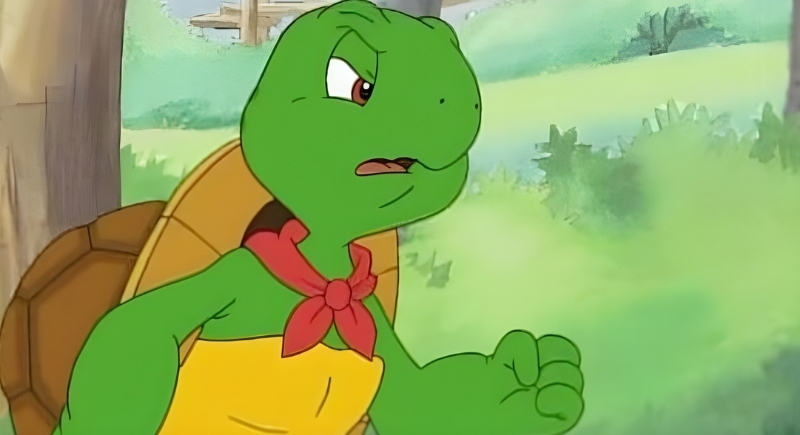
Franklin built stories around everyday kid experiences. The show follows a young turtle learning life lessons with help from friends and family. Episodes use slower storytelling that matches toddler processing speed.
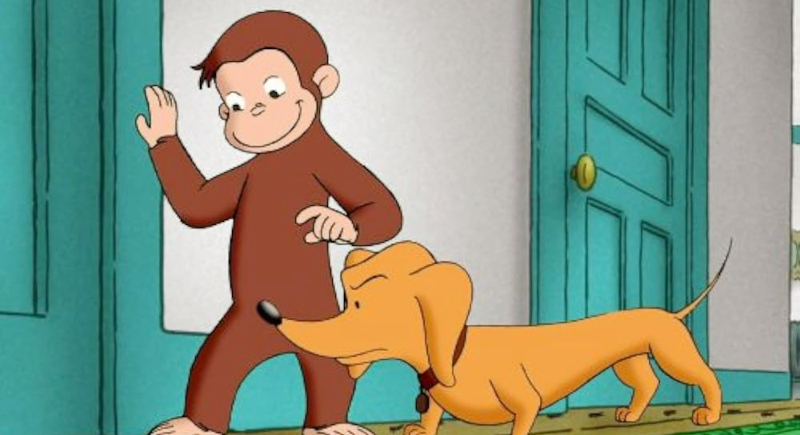
Curious George
Credit: IMDb
Problem-solving themes support early cognitive development during viewing, and that’s central to Curious George. Every episode starts with a simple question or mistake. The series is based on a children’s book franchise focused on early literacy, with stories showing cause and effect through exploration.
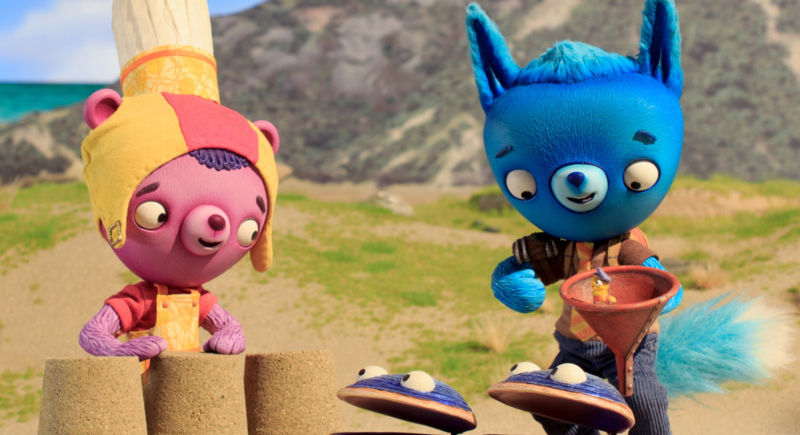
Tumble Leaf
Credit: IMDb
Play time is basically the classroom in Tumble Leaf. Each episode follows Fig the fox as he discovers something new through play. It uses simple backgrounds but also engages in imaginative play to support stronger early brain development. As a Prime original, it also tends to feel more cinematic than many toddler shows.
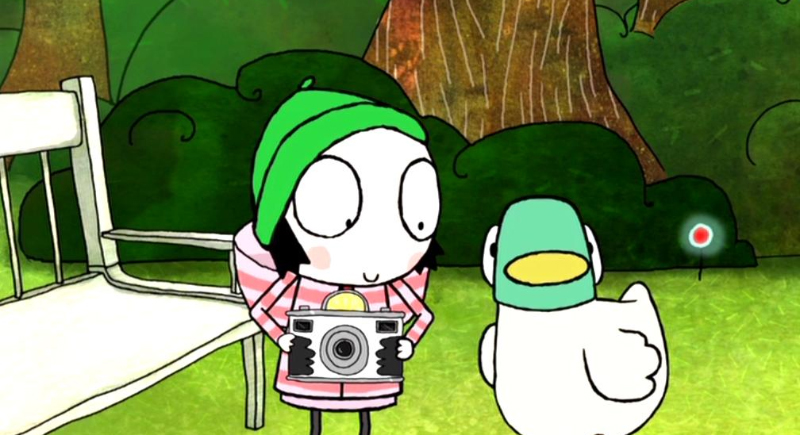
Sarah And Duck
Credit: IMDb
Quirky pretty much sums up Sarah and Duck, as the show follows small imaginative adventures between a girl and her duck friend. British animation tends to move more slowly than many American cartoons, and episodes stick to a single storyline.
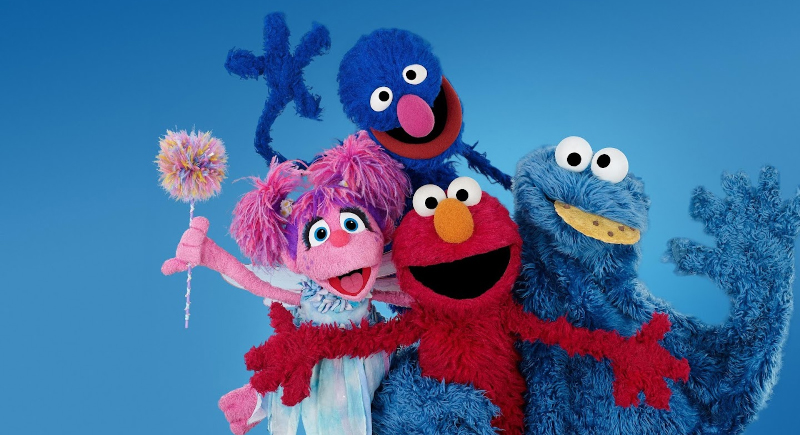
Sesame Street
Credit: IMDb
Few kids’ shows have decades of learning research behind them like Sesame Street. The show teaches letters, numbers, emotional skills, and more using songs and storytelling. Beloved characters like Elmo, Big Bird, Cookie Monster, and Abby Cadabby help model emotions and social behavior. The format alternates between short educational segments and character stories.
Bluey
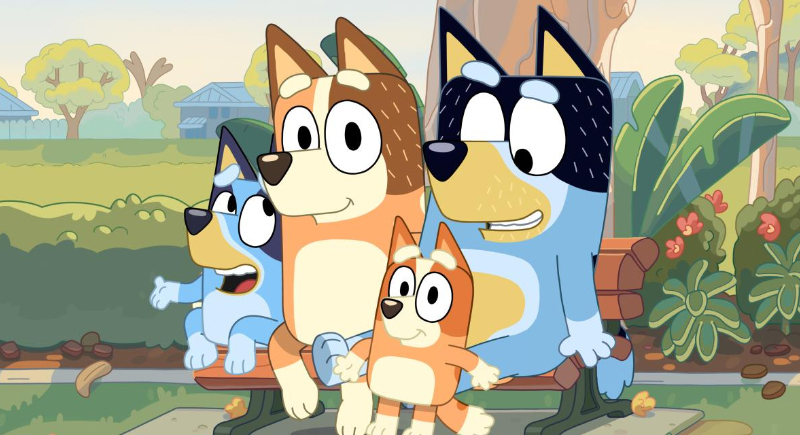
Credit: IMDb
Calm does not have to mean boring, and Bluey proves that better than almost any modern kids’ show. The Australian series follows a young blue heeler puppy and her family through everyday play-based adventures that feel realistic instead of sugary. Parents often notice that kids stay engaged without getting overstimulated, while adults quietly enjoy the smart writing and surprisingly heartfelt moments.