10 TV Show Endings That Fans Hated
Television has a cruel way of building up years of goodwill only to torch it all in a single episode. Fans invest hours into characters and storylines, theorizing about how everything will wrap up, only to watch their favorite shows fumble the final play. The internet never forgets a bad ending, and these 10 series finales sparked debates that continue to this day.
Game of Thrones
Credit: IMDb
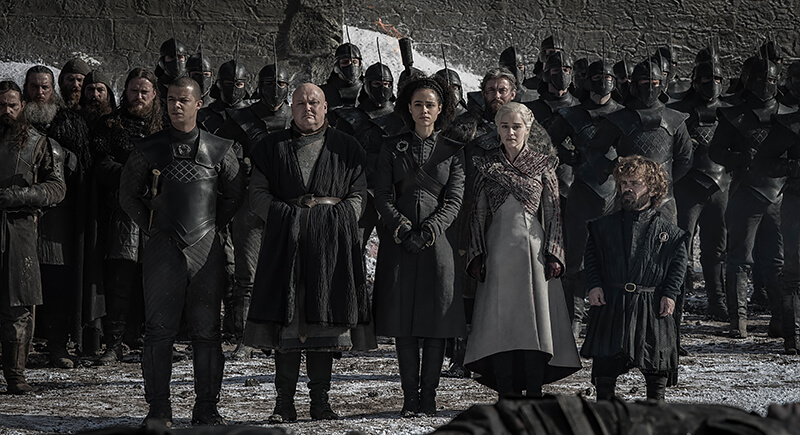
Daenerys Targaryen’s transformation into a war criminal is one crime that viewers would hardly forget. David Benioff and D.B. Weiss had run out of George R.R. Martin’s source material, and the final seasons rushed at viewers with the grace of a collapsing dragon. Jon Snow ended up at the Night’s Watch as if being the surviving son of Rhaegar Targaryen meant nothing, while Bran Stark somehow won the crown.
How I Met Your Mother
Credit: IMDb
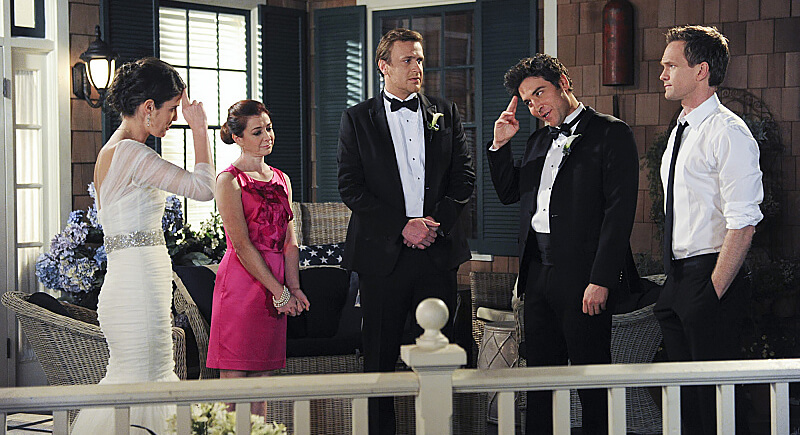
Nine years of buildup led to one of television’s most frustrating bait-and-switches. Cristin Milioti’s charming performance as the Mother was refreshing, and watching Ted finally let go of Robin felt like progress. Then came the time jumps, which fans hated. Barney and Robin’s marriage collapsed, the Mother died from illness, and suddenly, the series existed only to get Ted’s kids to approve of him dating Aunt Robin.
Dexter
Credit: IMDb
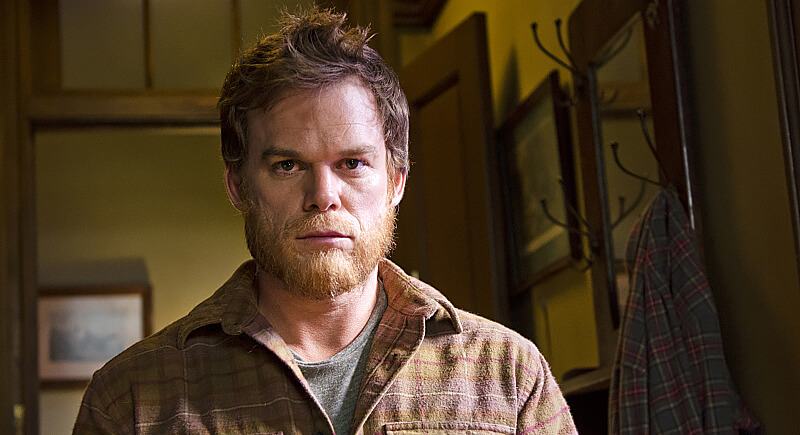
A hurricane, a wrecked life, and a goodbye that looked final should’ve ended it cleanly. Instead, Dexter’s finale swerved into accidental comedy as the main character survives, vanishes, and then pops up as a bearded lumberjack. The choice dodged consequences in a show built on them. Killing Debra also felt like unnecessary and cruel. The backlash got so loud that Showtime greenlit Dexter: New Blood, finally giving the character a proper conclusion.
Lost
Credit: IMDb
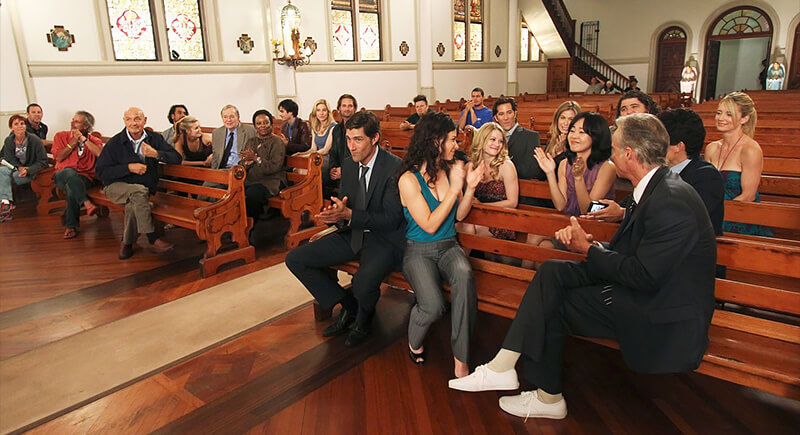
Mysteries made this show addictive, but the finale chose feelings over firm answers. Viewers got a spiritual closing that focused on character bonds rather than a checklist of the island’s strangeness. The choice worked for fans who loved the emotional core, yet annoyed anyone who watched like it was a puzzle box. The “they were dead the whole time” misunderstanding didn’t help, even though the show doesn’t actually say that.
Seinfeld
Credit: IMDb
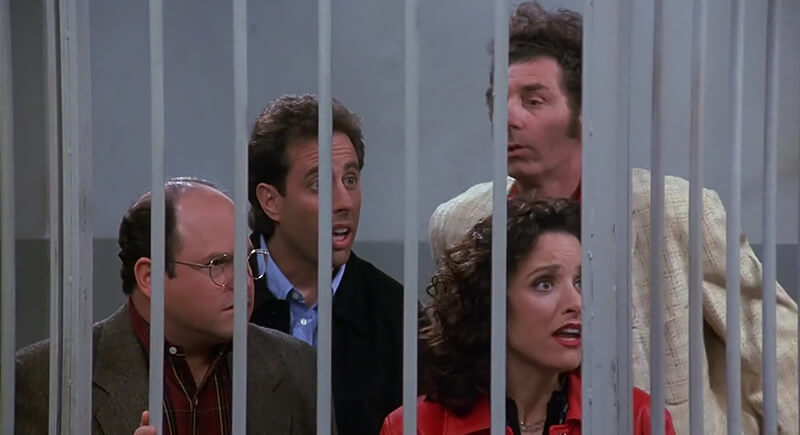
A sitcom built on selfishness somehow ends with punishment. The gang lands in jail for ignoring a mugging victim, violating a Good Samaritan law, and the finale acts like moral reckoning was the point all along. Toss in a parade of returning guest stars, and the whole thing plays like a victory lap. Some fans wanted a sharp closure, but instead got a courtroom clip vibe.
Killing Eve
Credit: IMDb
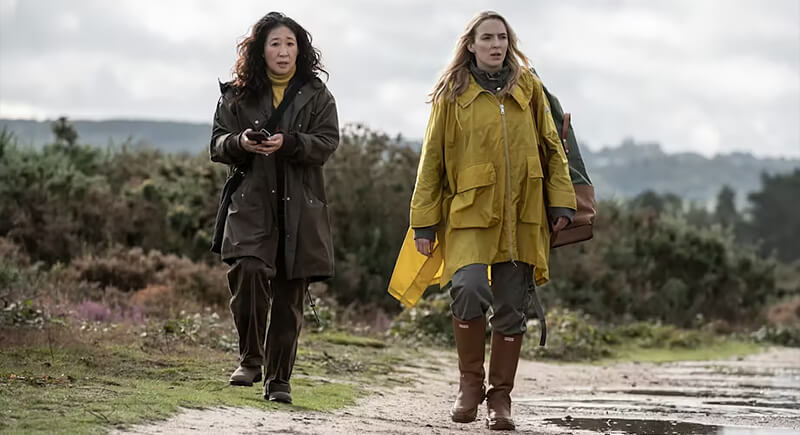
Eve and Villanelle finally admitted their feelings and took down the Twelve together in a rampage. Suddenly, a sniper hired by Carolyn shot Villanelle dead seconds later. Sandra Oh and Jodie Comer’s chemistry had carried the show, and letting them have one moment of happiness before yanking it away with no closure for Eve was shocking. Even Jodie later expressed disappointment with how her character’s story ended.
Gossip Girl
Credit: IMDb
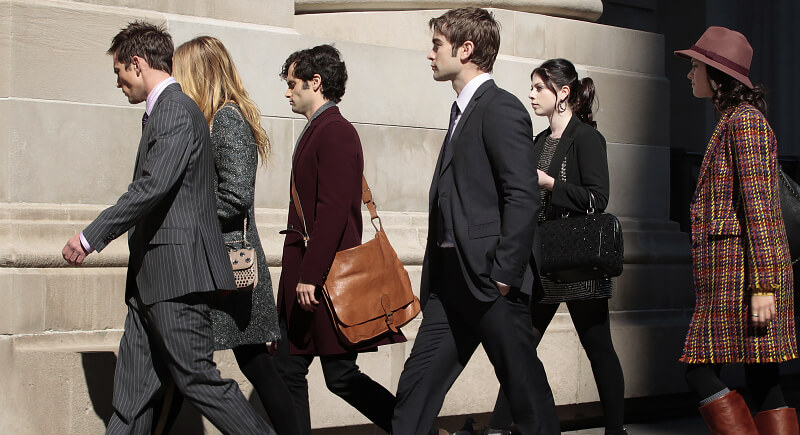
Dan was Gossip Girl the whole time. It sounded mind-blowing until you thought about it for five seconds. Penn Badgley’s Brooklyn outsider supposedly ran the anonymous blog to infiltrate Manhattan’s elite and get closer to Serena, but that created gaping plot holes. He’d posted cruel things about himself and acted genuinely shocked by revelations in earlier seasons. A show this wild deserved better than a boring closure and a reveal that contradicted its continuity.
St. Elsewhere
Credit: IMDb
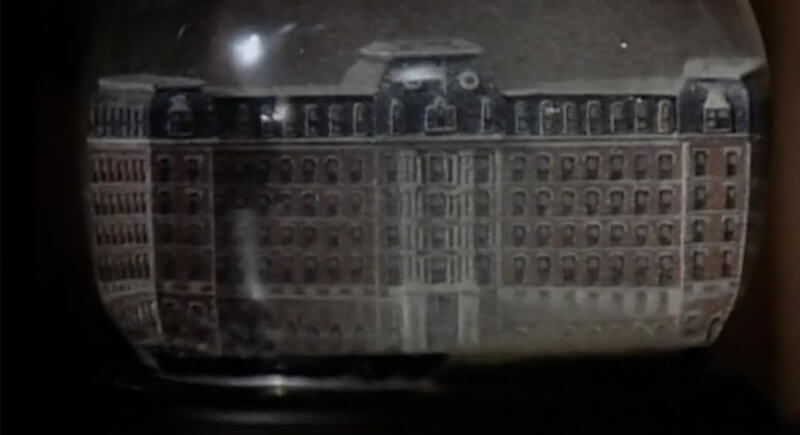
Six seasons of medical drama at St. Eligius Hospital ended with one of TV’s wildest twists. The final scene showed an autistic boy named Tommy staring at a snow globe containing the hospital while his father and grandfather looked on. Everything viewers watched apparently existed only in Tommy’s imagination. Because of crossovers, the twist also launched theories about connected series sharing the same “imaginary” universe.
Quantum Leap
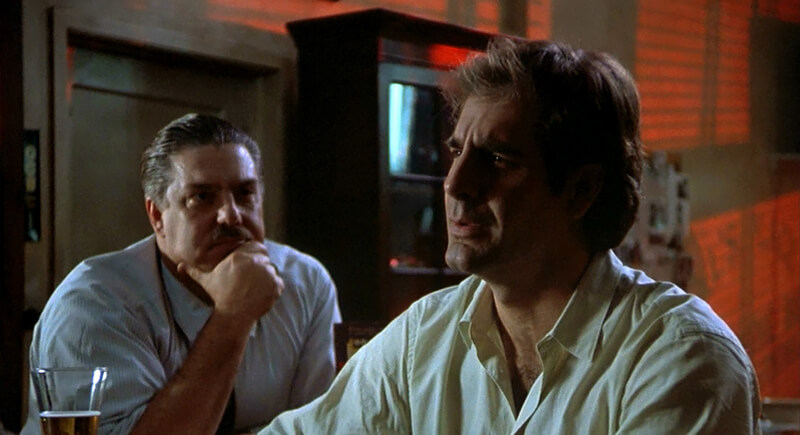
Credit: IMDb
Donald P. Bellisario had to wrap up his sci-fi series without knowing if NBC would renew it for a sixth season. The time-traveling Sam Beckett met a bartender who might be God, learning he’d controlled his own leaps all along. Some questions got answered, but major threads were left dangling for a continuation that never came. The network showed title cards explaining what happened to the characters, including the fact that Sam never got home.