10 Service Merchandise and Consumers Distributing Catalog Memories Only the Wish Book Generation Knows
Before shoppers could track packages on phones, buying goods required a catalog, a pencil, and a clerk. Retailers like Service Merchandise turned shopping into a step-by-step process. You found products in a book, viewed them on a showroom floor, and finally collected a box from the stockroom. The short wait was the best part of the experience for every member of the famous Wish Book generation.
The Catalog At Home
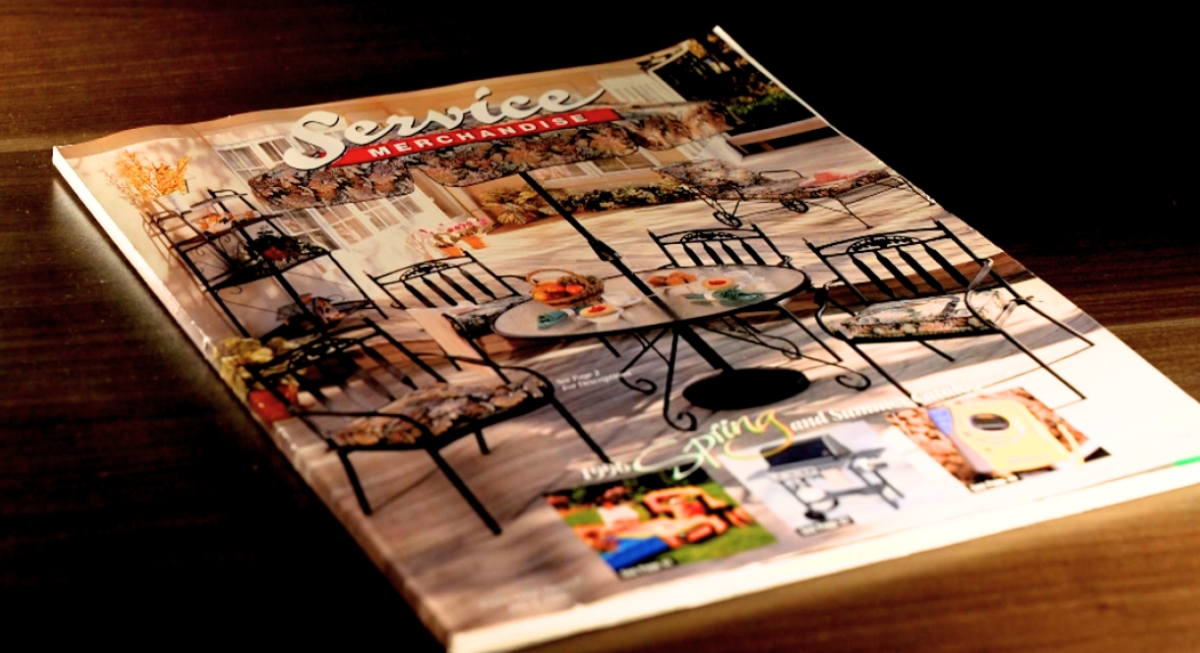
Credit: News Channel 5
The catalog did plenty of work before anyone entered the store. Families sat around coffee tables with pens in hand, marking pages and debating choices for days. Service Merchandise became one of the best-known U.S. catalog-showroom chains, and Consumers Distributing, launched in 1957, created a similar trend for Canadian shoppers. By the time shoppers reached the physical counter, half the decisions had already been made.
The Order Slip

Credit: pexels
Kids developed a sense of responsibility from filling out a blank order slip. Writing down the right catalog number was essential to avoid ruining things. Shoppers at Consumers Distributing and Service Merchandise would then hand the forms to clerks who checked the back for stock.
The Pickup Counter

Credit: Canva
After the form was submitted, the waiting began. Instead of grabbing boxes from shelves, customers watched for activity near a mysterious pickup area while a clerk disappeared into the stockroom. Service Merchandise built its reputation on this unique reveal, keeping display samples on the floor while your actual purchase stayed hidden in the back.
The Stock Check

Credit: Canva
Shopping at Consumers Distributing always felt like a gamble. You might find the perfect item in the catalog, only to discover it’s missing once you reach the counter. So, in 1984, Consumers Distributing introduced the Flashboard in some New York and New Jersey stores to display out-of-stock catalog numbers. This tool saved time, though hearing the phrase “out of stock” still ruined many afternoons.
The Jewelry Counter

Credit: Canva
Service Merchandise offered a unique shopping experience where fine jewelry was offered alongside everyday utility. Shoppers found engagement rings and watches right next to kitchen appliances and home electronics. This casual setup allowed people to browse luxury items without the pressure of a high-end boutique.
The Canadian Favorite

Credit: Getty Images
Consumers Distributing grew into a major catalog retailer across Canada. Shoppers in Quebec knew it as Distribution aux Consommateurs. While outlets popped up in several U.S. states, the brand felt right at home in Canadian neighborhoods. Its thick catalog became a staple in many kitchens, right next to their weekly flyers and coupons.
The Electronics Pages
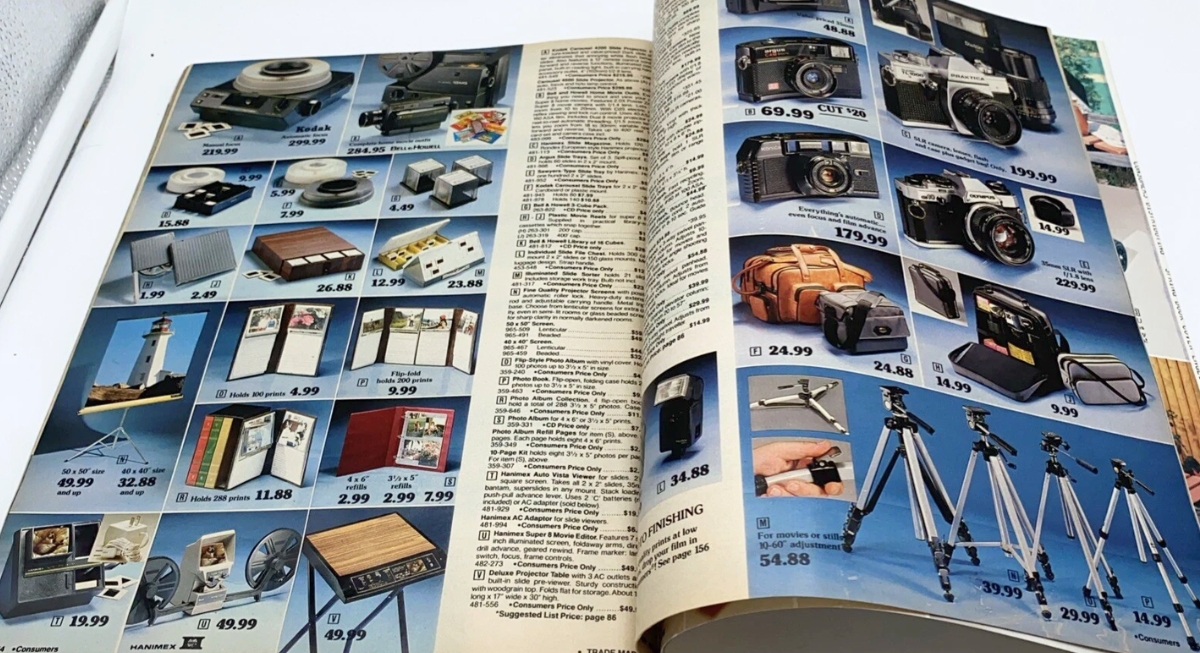
Credit: Ebay
During the 1970s, 1980s, and 1990s, gadgets like cameras and video games drew huge crowds to both stores. Service Merchandise and Consumers Distributing both featured electronics and appliances in their catalogs. This meant families got to dream about high-tech upgrades well before they saved the cash.
The Holiday Toy Pages
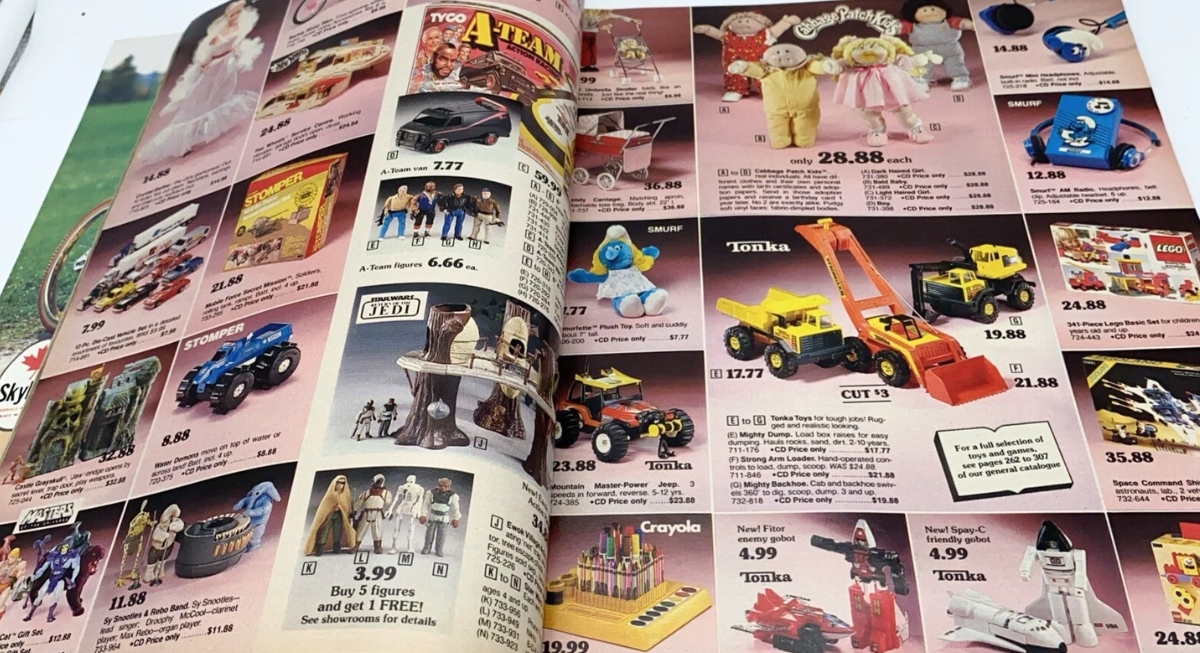
Credit: Ebay
Holiday planning used to begin with a pen and a focused trip to the toy section. These catalogs gave kids clear pictures and names to build their wish lists with certainty. For parents, browsing at home offered a calm way to check prices before hitting the stores. Even as the wishlist kept changing, the ritual made the season feel more organized.
The Showroom Sample

Credit: Canva
The floor model served a specific purpose. You might examine a camera or a clock radio, but that display unit never left the shelf. Showrooms kept their inventory in back rooms or warehouse-style stock areas, which helped support the catalog-showroom model. Thus, finding the right item and actually buying it were two separate parts of the experience.
The Final Goodbye

Credit: Wikimedia Commons
Consumers Distributing filed for bankruptcy in 1996. High operating expenses, rising competition, changing retail trends, product deflation, recession pressures, and Walmart’s Canadian expansion were hurting the chain. Service Merchandise followed by closing its doors in 2002. Online shopping brought convenience, and Consumers Distributing’s model has been compared to internet shopping before the internet.