9 Unhealthy Habits Seniors Need To Break Immediately
Some habits feel harmless, especially when they’ve been around for years. But as people age, the body becomes more sensitive to daily choices. These small actions have a bigger impact on balance, memory, heart health, and recovery from illness. The good news is that it’s never too late to make changes.
By identifying the habits that cause harm, older adults can improve how they feel and how they move through the day. These are the most common health-related patterns that experts say are worth rethinking sooner rather than later.
Skipping Meals

Credit: Prot Tachapanit
Long gaps without food can cause blood sugar instability, fatigue, and nutrient shortfalls. Older bodies process energy more slowly, so missed meals may lead to weakness and reduced muscle mass. Over time, this increases fall risk and slows recovery from illness. Consistent meals help maintain strength, coordination, and clearer thinking.
Avoiding Exercise

Credit: Getty Images
Physical decline accelerates as daily movement slows. Muscles shrink, joints stiffen, and heart health takes a hit. Even light exercise, like short walks or water aerobics, supports strength and coordination. The idea isn’t to train hard, but to stay in motion often enough to keep systems running smoothly.
Poor Sleep Habits

Credit: Getty Images
Getting less rest or waking up often at night interferes with how the brain stores memories and weakens the immune system. Sleep patterns can shift with age, but a steady evening routine and better sleep environment can make falling and staying asleep easier.
Social Isolation

Credit: Canva
Losing touch with others can be harder on the brain than people expect. Isolation has been tied to memory decline, higher stress, and shorter lifespans. Mobility issues or the loss of peers can make it easier to withdraw, but regular calls, meetups, or group activities keep emotional health stronger.
Smoking

Credit: Getty Images
Tobacco use raises the likelihood of lung cancer, heart disease, stroke, and chronic lung conditions. Circulation also suffers, slowing healing and increasing the risk of infection. Research from aging health institutes shows that quitting smoking at any age improves lung function and heart health within months.
Excessive Alcohol Consumption

Credit: Getty Images
The older the body gets, the less efficiently it handles alcohol. Even small amounts can lead to slower reflexes and balance issues. That’s especially risky for seniors who are already more vulnerable to falls. Alcohol also clashes with common medications, so doctors recommend limiting to one drink per day.
Skipping Doctor Appointments

Credit: Getty Images
Skipping routine appointments means missing early signs of conditions like high blood pressure, diabetes, or vision loss. These issues get harder to treat over time. Regular visits also help spot side effects from medications before they interfere with daily life or independence.
Too Much Screen Time
Credit: Getty Images
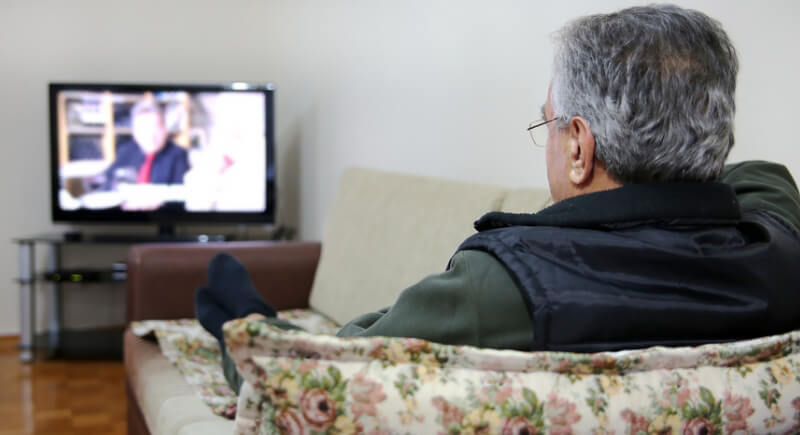
Excessive time spent watching TV or using devices keeps people seated for too long, which can affect blood flow and joint function. Screens can also cut into social interaction and delay sleep. Setting timers for movement breaks or switching some TV time to audio-only activities can help reduce those risks.
Lack Of Fruits And Vegetables
Credit: iStockphoto
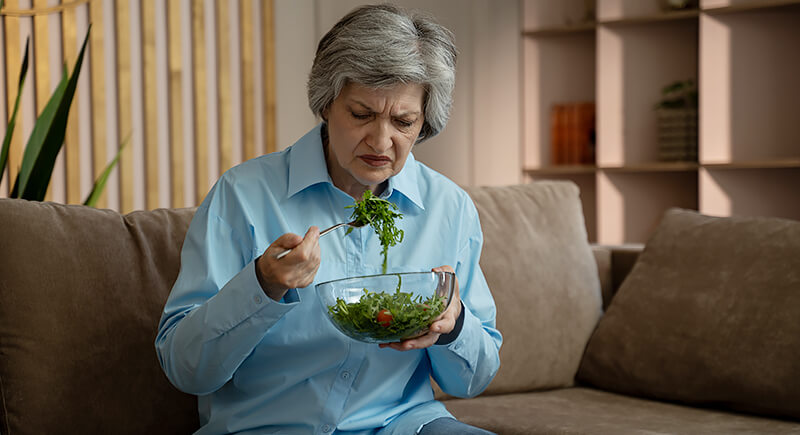
Diets low in produce often lack fiber, antioxidants, and vitamins that support immunity and heart function. Insufficient intake is associated with higher inflammation and digestive problems. Nutrition guidelines recommend multiple daily servings of fruits and vegetables. Even simple additions, such as salads or cooked vegetables, improve nutrient balance.