‘I’m 63 and Leaner Than My Kids’: The Internet’s New Favorite Fitness Plan
John Carpenter is a retired accountant and grandfather whose 90-day body recomposition spread online after his daughter posted a before-and-after photo. The plan centers on how aging bodies actually process food, movement, sleep, and stress. Doctors and nutrition professionals cited in the article say the plan challenges long-held ideas about metabolism after 60. Take a look at how ordinary the system appears while still producing visible fat loss and muscle retention.
Front-Loaded Eating
Credit: pexels
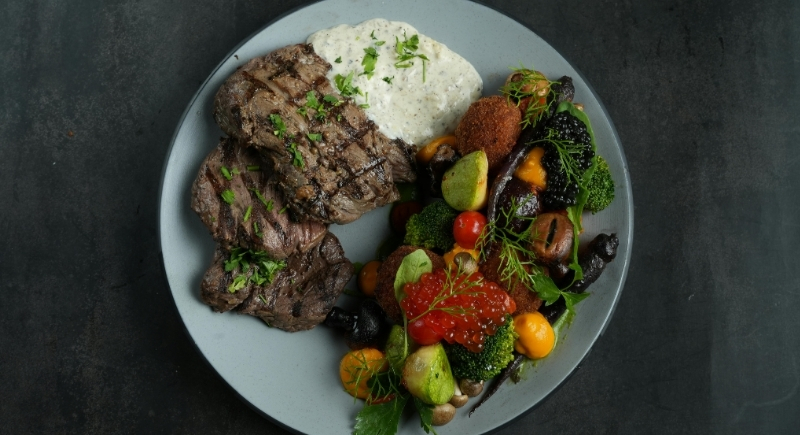
The plan is built around consuming roughly 80% of daily calories before 3 p.m., which aligns with the body’s strongest insulin sensitivity earlier in the day. Calorie processing is more efficient during daylight hours, particularly for adults over 60.
Protein Before Coffee
Credit: Canva
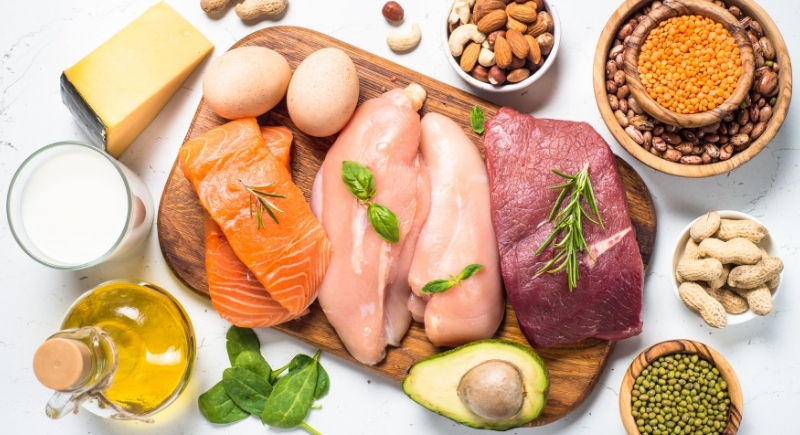
Approximately 30 grams of protein are consumed within 30 minutes of waking, targeting muscle protein synthesis when the body is most responsive. Older adults preserve significantly more lean mass when protein is front-loaded. Muscle retention is necessary because age-related muscle loss directly slows the metabolic rate.
Movement Snacks Over Gym Marathons

Credit: Getty Images
Instead of one long workout, the day consists of short bursts of movement, each lasting 1 to 6 minutes. Frequent muscle activation reduces sarcopenia more effectively than one isolated session. This approach also limits joint stress, which becomes a bigger factor after 60.
Cold Showers With a Purpose

Credit: Getty Images
Daily cold exposure lasts up to 3 minutes and focuses on the neck and upper back, where brown fat activity is highest. Brown adipose tissue burns calories to generate heat, and its activity drops with age. Metabolic rate spikes during cold exposure and remains elevated afterward.
Sleep Starts Before Bed

Credit: Canva
Blue light exposure stops about 90 minutes before sleep, which helps protect melatonin production. Melatonin naturally declines with age, and lower levels affect fat metabolism and recovery.
Food Pairing Beats Food Cutting

Credit: Getty Images
Instead of eliminating foods, the plan focuses on combinations that reduce inflammation. Pairings like turmeric with black pepper can dramatically increase nutrient absorption, while combining omega-3 fats with leafy greens can improve inflammatory markers. Chronic inflammation is strongly associated with aging-related weight gain.
Monthly Metabolic Reset
Credit: Canva
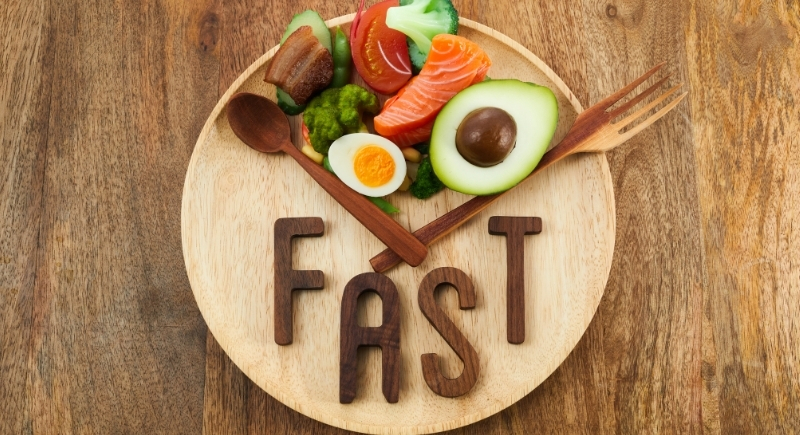
Once a month, a modified 3-day fasting protocol is employed to enhance insulin sensitivity and stimulate autophagy. Short fasts reduce markers tied to aging and inflammation. The protocol emphasizes hydration and controlled refeeding to avoid stress on the system.
Stress Control Shrinks the Middle

Credit: pexels
Daily mindfulness sessions last approximately 10 minutes and focus on regulating cortisol levels. Baseline cortisol levels tend to be 20% to 30% higher in older adults, which is linked to increased abdominal fat storage. Mindfulness is linked with lower cortisol and higher DHEA levels.
Bands Replace Heavy Weights

Credit: Canva
Resistance bands are used instead of heavy weights to reduce joint compression. Elastic resistance produces similar muscle activation with significantly less joint strain. This is particularly important for long-term mobility, especially in the hips, knees, and shoulders.
Consistency Through Community

Credit: Canva
A small online accountability group helps maintain steady habits through daily or weekly check-ins. Social accountability improves long-term adherence more than solo motivation. For older adults, social connection also correlates with better overall health outcomes.