Scientists Who Carried Out Bizarre Self-Experiments
Most people trust scientists to test new ideas on animals or in controlled labs. But some researchers decided that the best test subjects were themselves. These scientists put their own bodies at risk to answer questions no one else could. They helped change medicine, safety standards, and our understanding of the human body.
Joseph Barcroft And The Limits Of Human Oxygen Tolerance
Credit: Wikimedia Commons
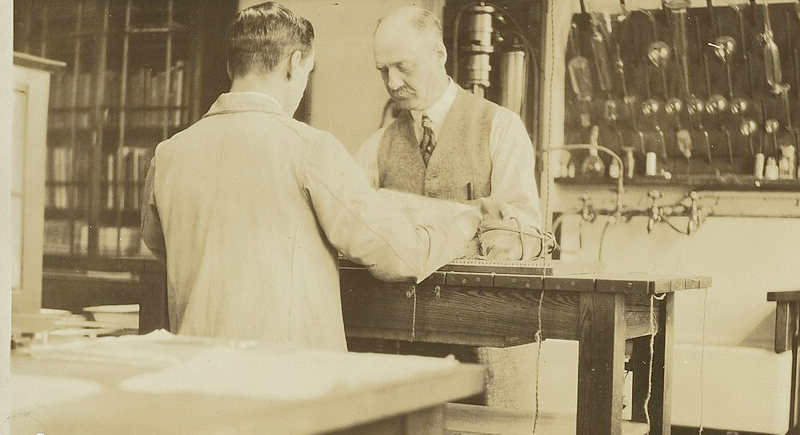
Joseph Barcroft was a British physiologist known for studying blood oxygenation and for using himself as a test subject. During the First World War, he exposed himself to hydrogen cyanide while researching asphyxiating gases, later spent seven days in a low-oxygen chamber to determine human oxygen limits, and on another occasion, subjected himself to extreme cold until he lost consciousness.
Evan O’Neill Kane And Conscious Self‑Surgery
Credit: Reddit
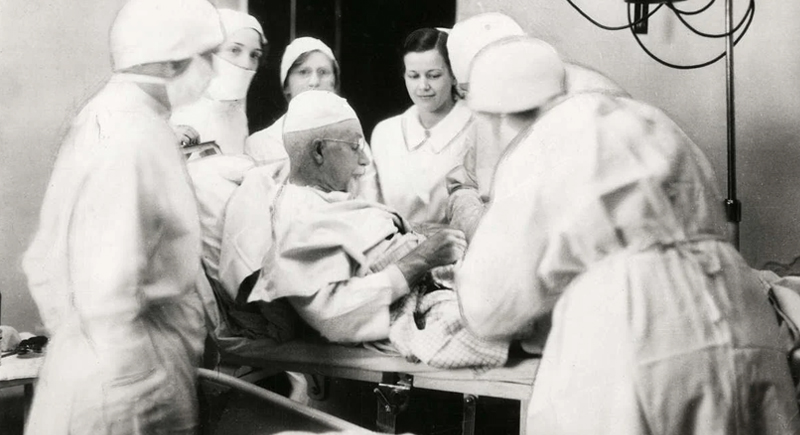
Evan O’Neill Kane believed local anesthesia could reduce the risks associated with general anesthesia, and he chose to demonstrate it personally. In 1921, he removed his own appendix while fully awake, relying on mirrors and Novocain to complete the surgery. Years later, he repeated the experiment by operating on himself to repair a hernia. Both procedures succeeded and helped build trust in local anesthesia for select minor operations.
John Paul Stapp And Extreme Acceleration Testing
Credit: Wikimedia Commons
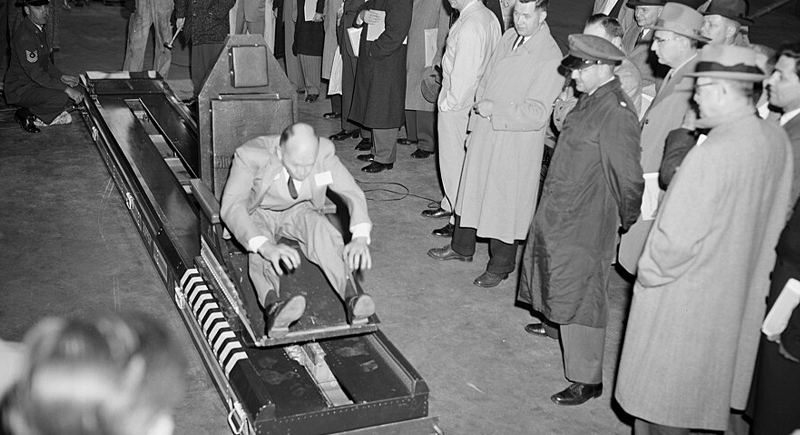
To determine real human limits, Air Force doctor John Paul Stapp rode rocket sleds at over 600 miles per hour. He braced through acceleration so intense it shattered his bones and damaged his eyes. His pain wasn’t wasted. His findings helped shape pilot safety measures and eventually informed car seat belt designs.
Albert Hofmann And The First Documented LSD Experience
Credit: Wikimedia Commons
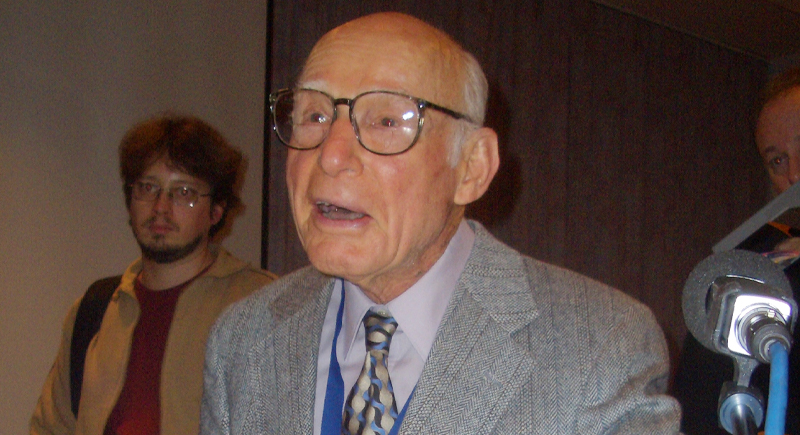
Chemist Albert Hofmann accidentally absorbed LSD while working in his lab in 1943. Days later, he ingested a small dose on purpose. What followed was an intense psychedelic experience—during a bicycle ride home—that he carefully documented. That first trip opened the door to decades of research into psychedelic compounds and brain chemistry.
August Bier And Early Spinal Anesthesia Proof
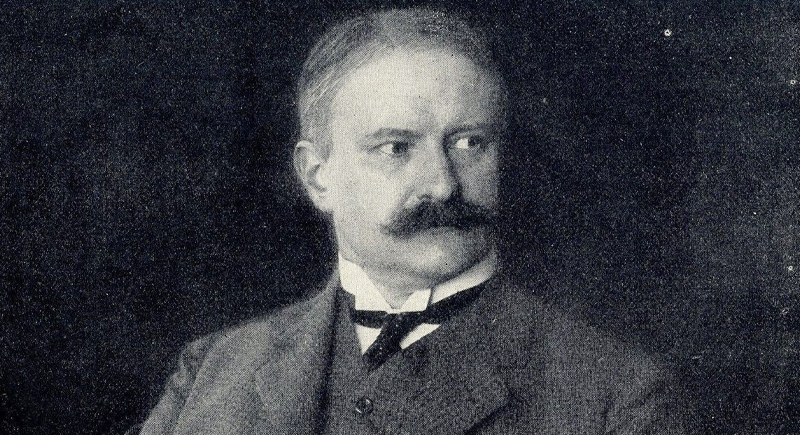
Credit: Wikimedia Commons
After an equipment issue foiled his first self-test, August Bier turned to his assistant. He injected cocaine into the man’s spine, then struck him with metal rods, burned him, and pulled his pubic hair to check for numbness. Both suffered severe headaches afterward, but the test laid the groundwork for modern spinal blocks.
Allan Blair And Black Widow Venom Exposure
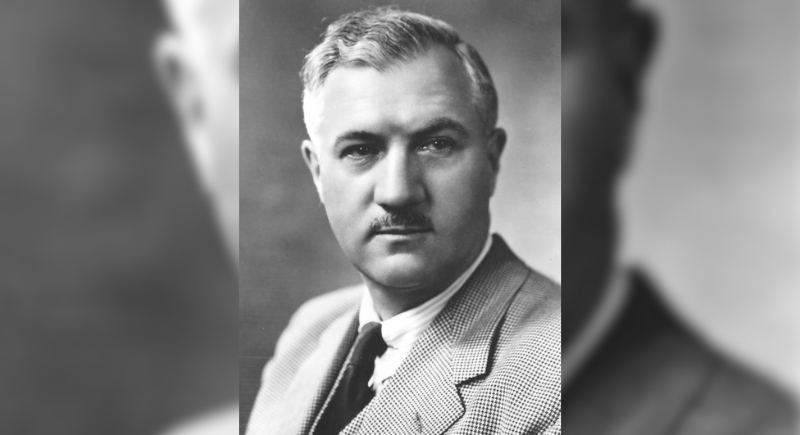
Credit: The Encyclopedia of Saskatchewan
Allan Blair studied black widow bites when their effects were poorly understood in the 1930s. He allowed a black widow to bite him under controlled conditions, first provoking the spider to ensure venom release. Severe pain followed within hours, and he was later hospitalized. Blair recorded his symptoms in detail, helping doctors better understand the effects of spider envenomation.
Giovanni Grassi And Intentional Parasitic Infection
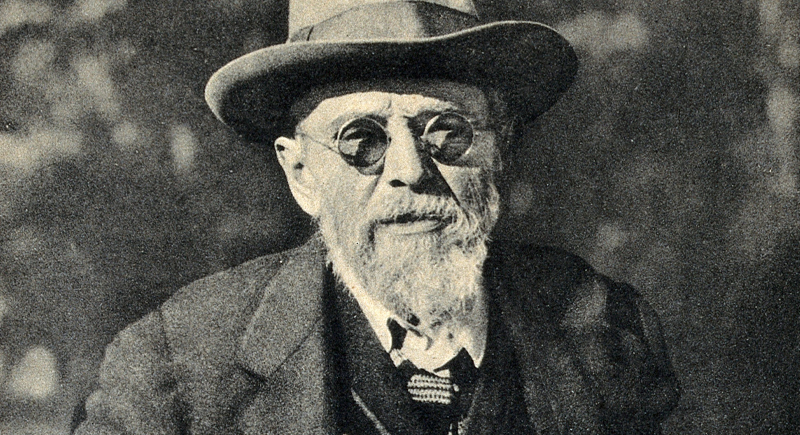
Credit: Wikimedia Commons
To confirm how parasites spread, Giovanni Grassi first checked that he had none in his system. Then he ingested roundworm eggs. Over time, he tracked their progress by analyzing his stool. Once satisfied, he removed them using herbal medicine. His findings clarified the lifecycle of the roundworm and how humans become infected.
Nathaniel Kleitman And Human Sleep Limits

Credit: Instagram
Sleep researcher Nathaniel Kleitman stayed awake for five straight days to track cognitive decline. But his more unusual study came in Mammoth Cave, Kentucky. There, he lived underground without natural light to see how the body kept time without cues. It helped define the modern understanding of circadian rhythms.
Fredrick Hoelzel And Digestive Transit Experiments
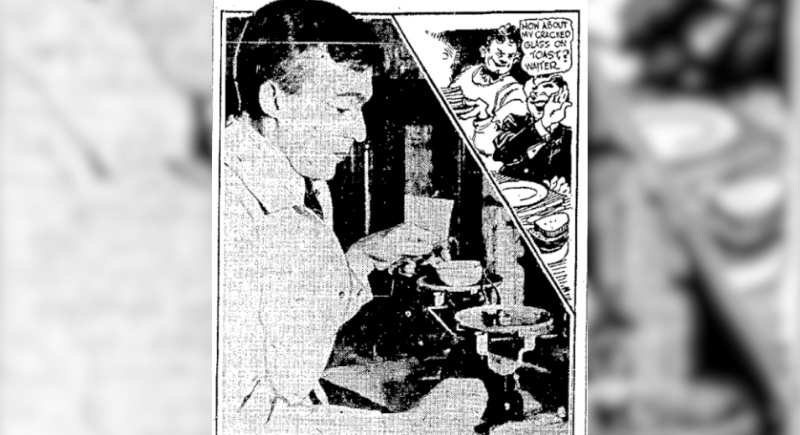
Credit: Wikimedia Commons
Trying to map how long objects take to pass through the human digestive system, Fredrick Hoelzel swallowed items like beads, rubber, cork, and even metal. He tracked their exit times precisely. The non-food diet led to malnutrition and health issues, but it also gave researchers early insights into the timing of digestion.
Werner Forssmann And Cardiac Catheterization Proof
Credit: Wikimedia Commons
Medical skepticism surrounded heart catheterization until Werner Forssmann inserted a catheter through his own arm vein and into his heart. He confirmed its position using X‑ray imaging. The experiment demonstrated procedural feasibility and later became a standard technique in cardiology.