The Sagging Pants Campaign: Why Cities Actually Tried to Ban Your Clothes
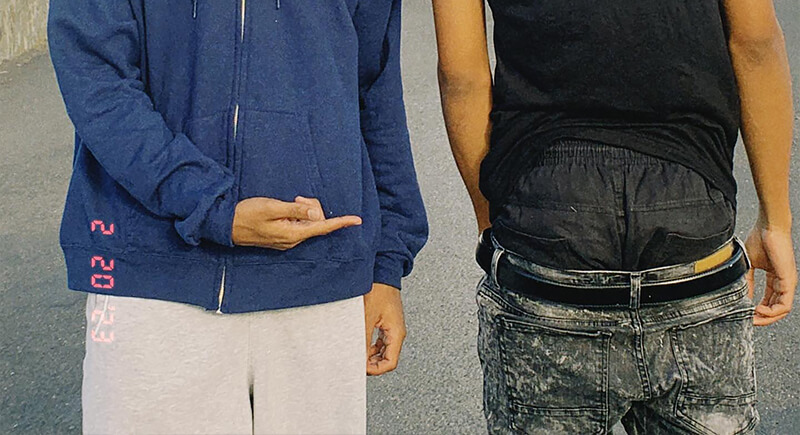
For a stretch in the late 2000s, sagging pants became more than a trend. Between 2008 and 2011, several U.S. cities tried to ticket or arrest people for wearing their jeans too low. What many young Black men treated as everyday style suddenly showed up in city council meetings and police reports.
Stores put up warning signs. School boards weighed in. Civil rights groups stepped forward. The fight shifted from waistbands to something deeper, as people argued over fairness, identity, and the extent of local governments’ control over what someone wears.
Billboards And Window Signs Tried To Shame The Trend
Credit: Youtube
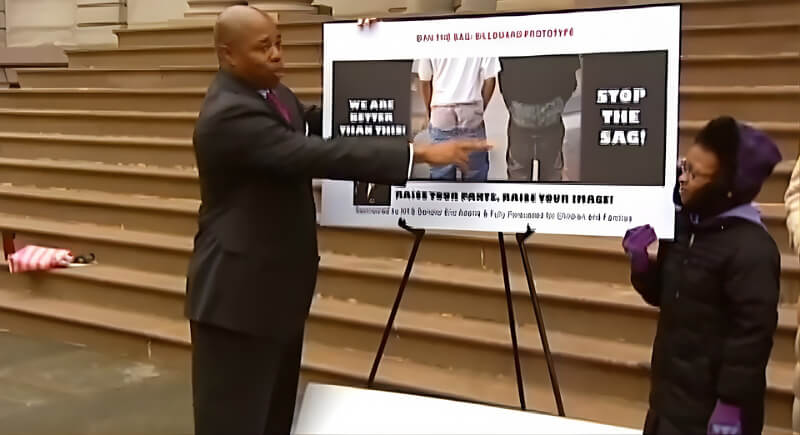
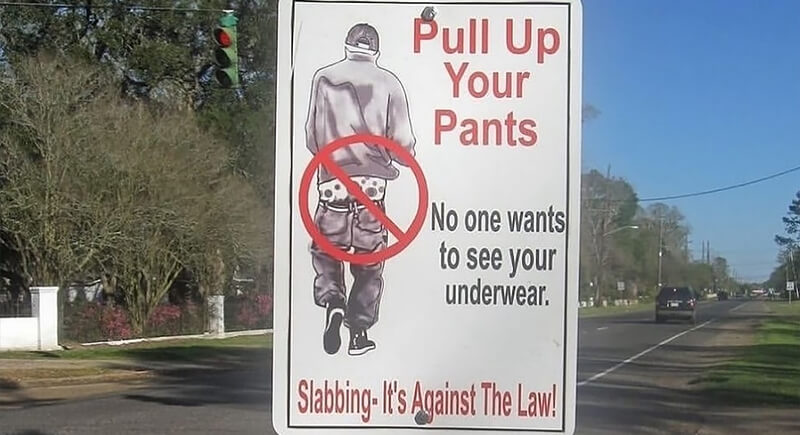
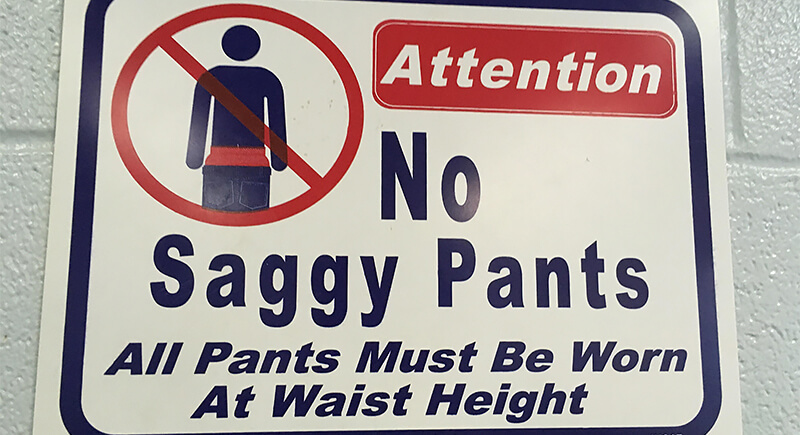
In 2010, anti-sagging campaigns expanded beyond city ordinances. Businesses like shopping malls, fast-food chains, and gas stations posted signs banning sagging pants on their premises. In Brooklyn, New York, “Stop the Sag” billboards were funded and displayed across neighborhoods, and treated the issue as a matter of public messaging.
Violations Carried Fines, And Sometimes Jail Time

Credit: Wikimedia Commons
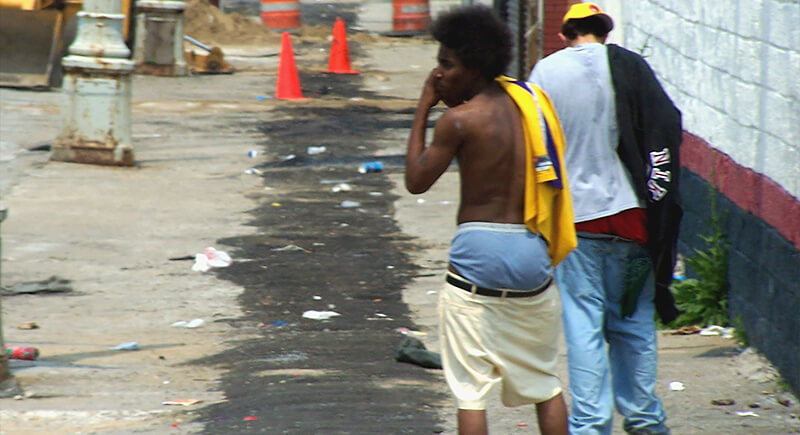
In Flint, Michigan, police used disorderly conduct laws to target sagging pants. This drew protests from the ACLU of Michigan. In 2010, Albany, Georgia, passed a law imposing penalties, including community service or jail for repeat violations. Wildwood, New Jersey, issued fines. In parts of South Carolina, officers made arrests related to sagging.
Black Youth Were The Primary Targets
Credit: Wikimedia Commons
The ordinances never mentioned race, but enforcement patterns didn’t hide much. Young Black men were the primary group getting cited or arrested. Groups like the ACLU called it out early, pointing out how these dress codes echoed old methods of profiling under a new name.
The Laws Faced Legal And Constitutional Backlash
Credit: Wikimedia Commons
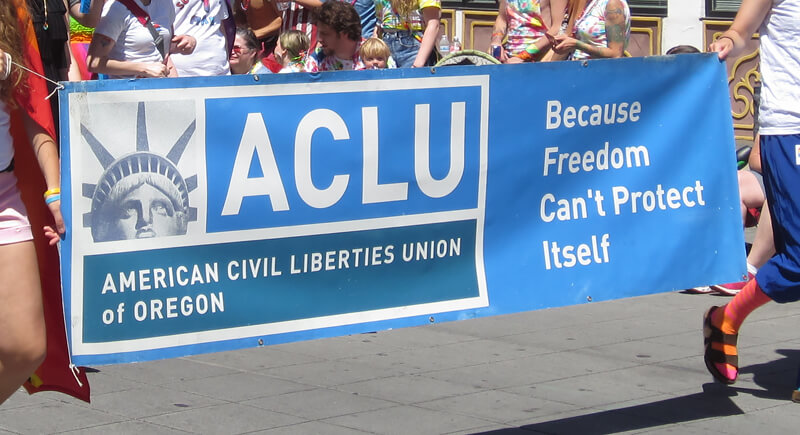
The American Civil Liberties Union (ACLU) challenged sagging bans in several states. In Louisiana, the ACLU cited state law that prohibits local governments from creating their own definitions of obscenity. In Florida, the ACLU called the proposed legislation “a ridiculous waste of public resources” that would likely face constitutional challenges in court.
Comparisons To Stop-and-Frisk Weren’t A Stretch
Credit: iStockphoto
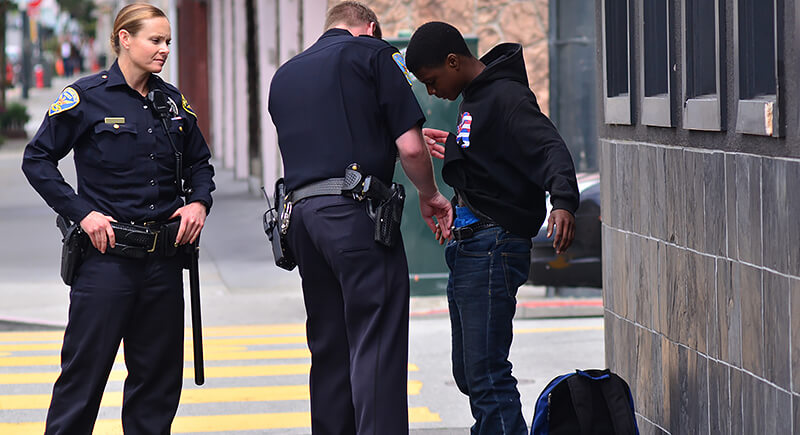
Critics drew parallels between sagging bans and New York City’s Stop-and-Frisk program. Both were seen as ways to justify confrontations with Black youth under the pretext of public safety. Legal experts warned that using clothing as probable cause opened the door to broader civil rights violations.
Supporters Claimed It Was About Health And Decency

Credit: Reddit
Local officials and some school board members argued it was a matter of decency and hygiene. One Florida school board member even wanted parents of students to be held to the same dress code rules. The reasoning sometimes wandered into moral panic territory.
Enforcement Extended Beyond Youth
Credit: Instagram
Things didn’t stop with students. In parts of Florida, school officials floated the idea of banning sagging pants for parents who entered school grounds. Nothing enforceable came of it, but it showed how widespread and personal the anti-sagging sentiment had become in certain places.
Some Cities Quietly Backed Away Under Pressure
Credit: Instagram
By 2011, cities started letting the laws fade. Some repealed them. Others simply stopped enforcing them. Public defenders, national media, and civil rights advocates had all turned up the pressure. Public sentiment began to shift toward viewing the whole campaign as overreach.
The Debate Exposed Coded Language In Lawmaking
Credit: Reddit
Although proponents denied racial intent, critics argued the laws were racially coded. Descriptions of sagging pants as “indecent” or “threatening” often aligned with broader stereotypes about Black youth. Civil rights groups emphasized that legal neutrality did not guarantee equitable enforcement.
The Core Issue Was Control, Not Clothing

Credit: Wikimedia Commons
The sagging pants debate was never only about attire. Legal challenges and public debate revealed deeper concerns about personal freedom, cultural expression, and the limits of local government authority. As the ACLU and other advocates pointed out, the real question was who had the right to define public acceptability.