10 Safest States to Spend the Holidays
The holiday season brings increased travel, changing weather, and fuller schedules, all of which can raise safety risks. Some states, however, consistently maintain more stable conditions during this period. Based on recent data, these states stand out for lower crime rates, safer roads, and fewer weather-related or seasonal emergencies.
Mississippi
Credit: iStockphoto
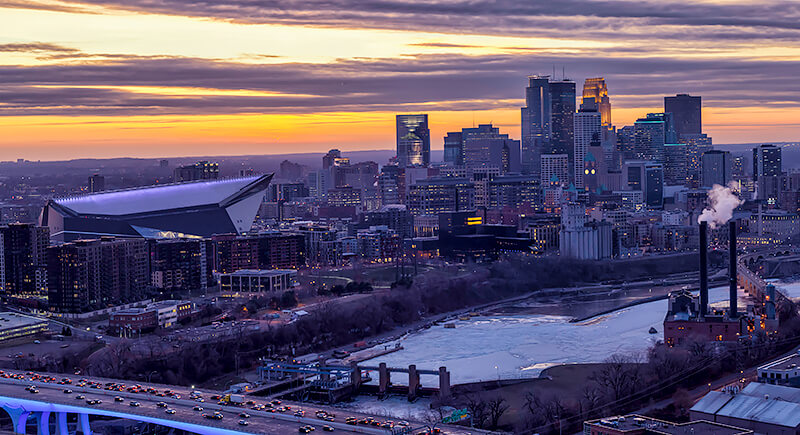
December safety in Mississippi is mainly shaped by the absence of major winter hazards. Snow and ice are rare, which reduces the risk of weather-related traffic accidents. Christmas Day traffic fatalities occur less frequently than in most states, and holiday fire incidents remain relatively low due to reduced reliance on heating systems. As a result, Mississippi records the lowest overall Christmas danger score.
Utah
Credit: iStockphoto
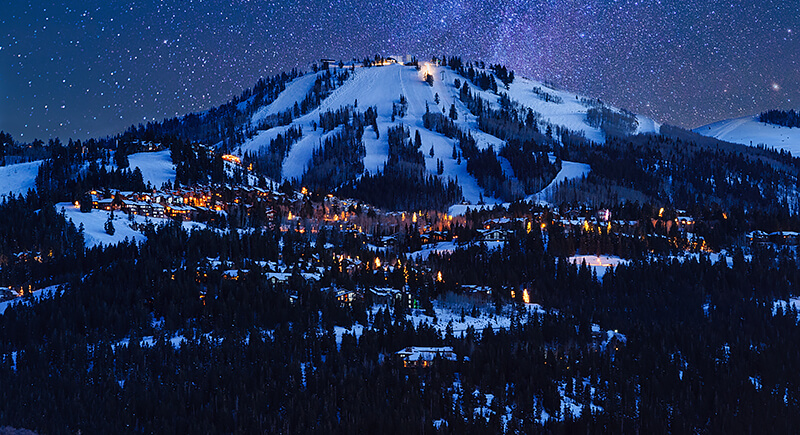
One statistic shapes Utah’s holiday safety more than any other: alcohol consumption. The state consistently reports the lowest excessive drinking rates nationwide, which shows up in fewer impaired-driving crashes and ER visits during December. Even with winter weather, holiday traffic fatalities stay well below national averages.
Virginia
Credit: Getty Images
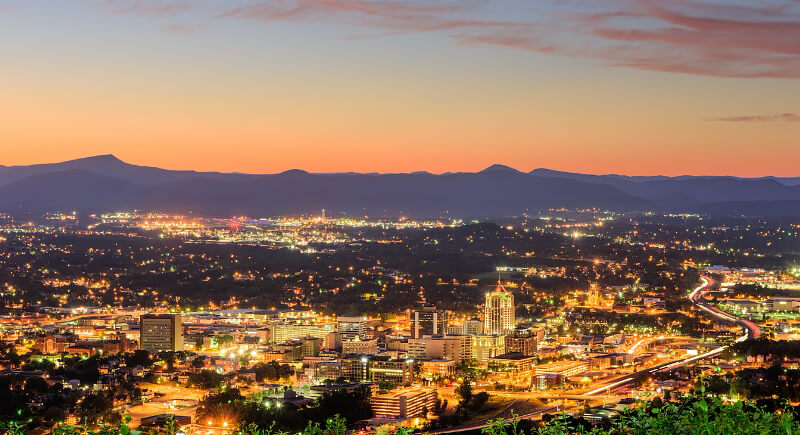
Virginia benefits from balance as winter weather rarely overwhelms roads, and alcohol-related driving fatalities during the holidays remain lower than in nearby states. Emergency room visits rise around Christmas, but not sharply. Reliable infrastructure and manageable travel distances help maintain steady conditions throughout December.
Maryland

Credit: Canva
Distance plays a role in holiday safety across the state. Shorter commutes and widespread public transportation reduce the need for long drives during peak weeks. Vehicle accidents remain moderate, even during snow events. Alcohol-related incidents stay below national norms, and emergency call volumes remain stable rather than spiking.
Georgia
Credit: Getty Images
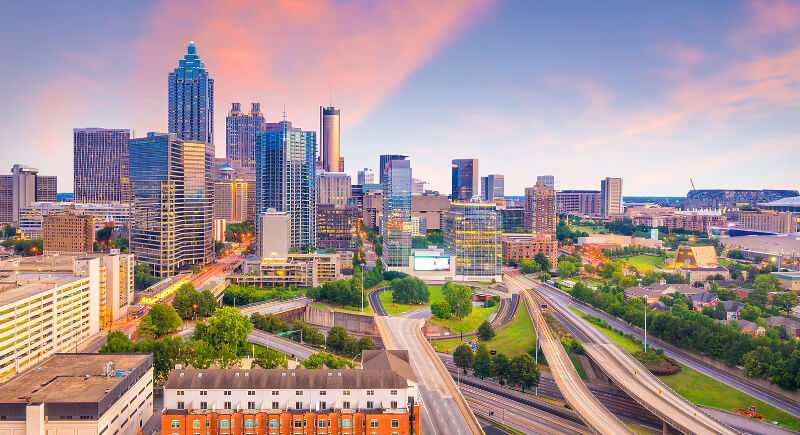
Georgia avoids one of the biggest seasonal hazards entirely, as snow and ice are uncommon, which keeps roads safer through December. Traffic fatalities during the holidays stay relatively low, and heating-related structure fires occur less often than in colder states. Alcohol-related arrests do rise, but not enough to overwhelm local systems.
West Virginia
Credit: Getty Images
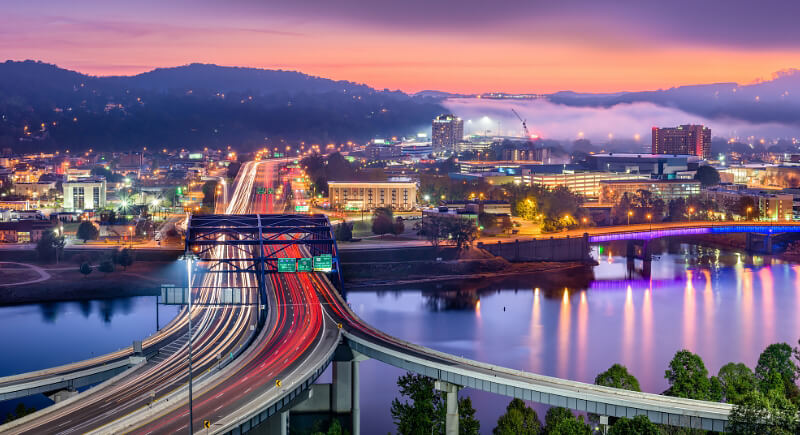
The rugged terrain of West Virginia might be a little overwhelming for some, but holiday risk remains contained. December traffic fatalities increase less sharply than in many winter-heavy states, and Christmas Day crashes are uncommon. Fire incidents tied to the season stay below national averages. Smaller populations and localized travel patterns reduce congestion during the busiest weeks.
New Jersey
Credit: iStockphoto
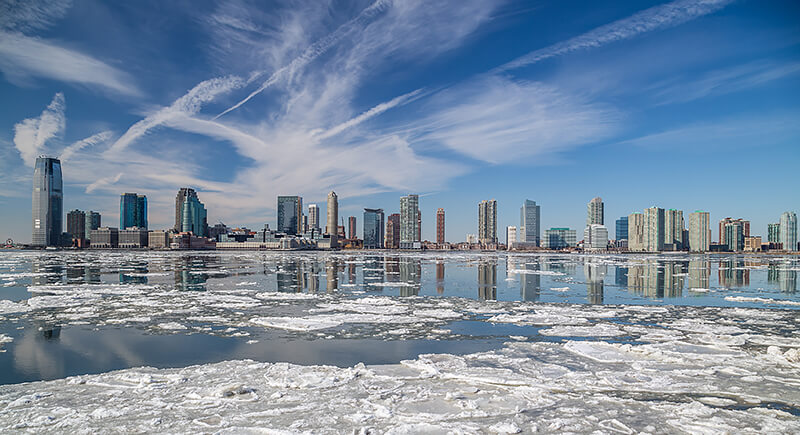
Travel habits during December look different in New Jersey than in most densely populated states. Extensive rail and bus systems reduce the need for Christmas driving, which lowers alcohol-related traffic fatalities despite high population density. Structure fires occur less often per capita than in many states, and emergency response times remain consistent throughout the season.
New York
Credit: pexels
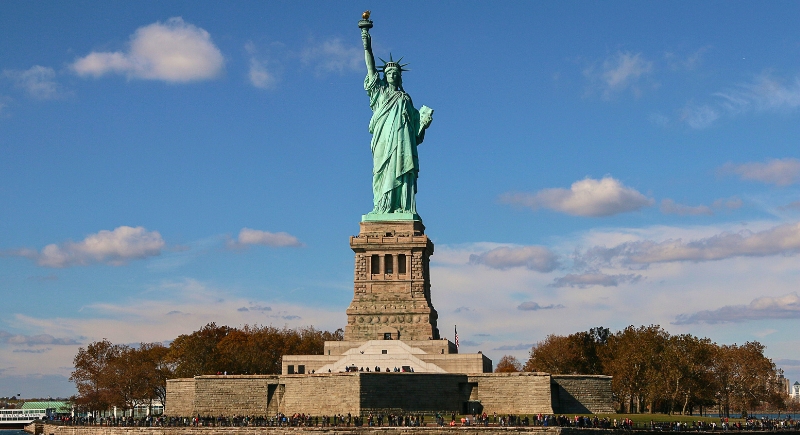
Holiday movement in NYC is constant, but the system absorbs it well. Decoration-related fire incidents remain controlled, and while ER visits rise, they avoid the sharp surges seen in many other states. Christmas Day vehicle fatalities occur less frequently than national averages, helped by extensive transit options that reduce impaired driving.
Texas
Credit: iStockphoto
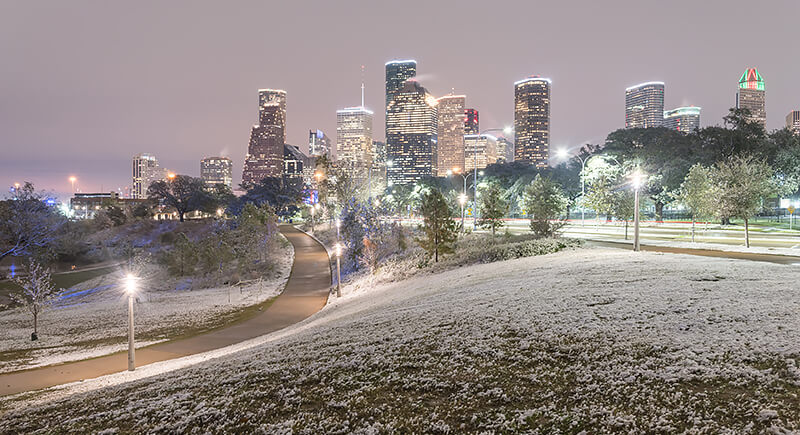
Holiday risk in Texas stays lower than many expect, largely due to the climate. Much of the state avoids winter storms altogether, which reduces ice-related crashes. When adjusted per capita, December traffic fatalities rise less than the national average. Structure fires tied to holiday activity also remain moderate across the state’s large footprint.
Arkansas
Credit: Getty Images
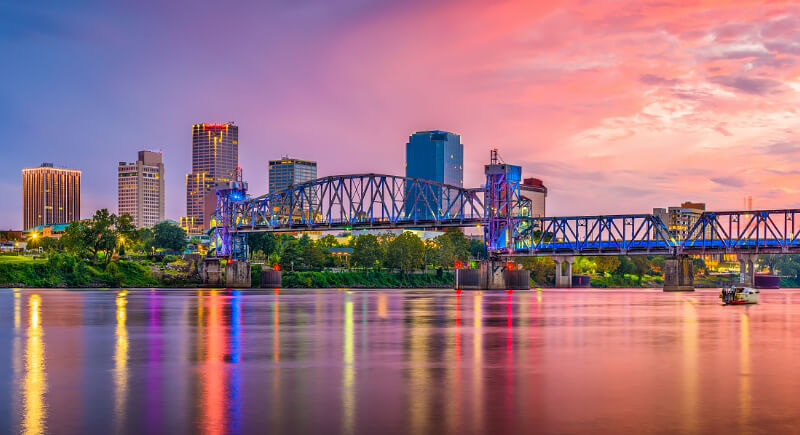
Arkansas benefits from moderation as winter weather tends to stay mild. December’s fatal accidents increase slightly but remain below the national per-capita average. Holiday structure fires also occur less often than in colder states, and shorter local trips reduce exposure during Christmas week.