How Often You Actually Need to Replace Your Everyday Items
That sponge by the sink, the pillow on the bed, the container in the fridge—most people hold onto these small items far longer than they should. Daily use hides the slow buildup of wear and bacteria. Nothing looks dramatically broken, so it stays. Over time, though, these items stop doing their job well. A simple replacement schedule keeps things safer and a lot less questionable.
Kitchen Sponges (1-2 Weeks)
Credit: pixelshot
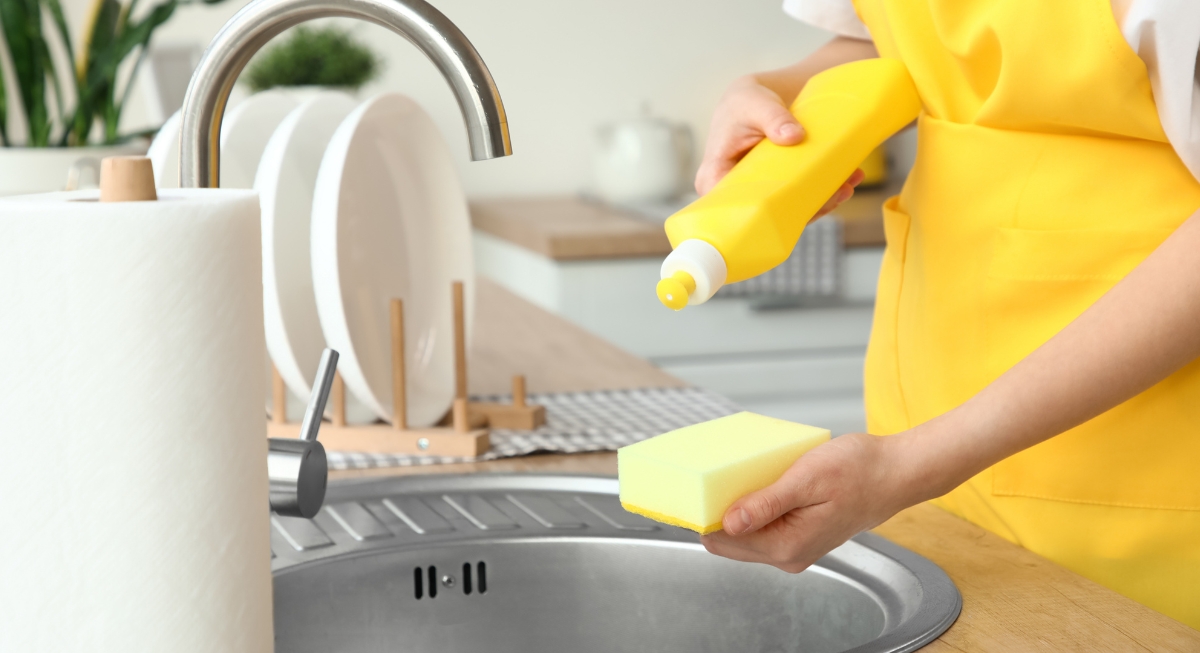
Kitchen sponges rarely get a break, and constant exposure to moisture makes them among the dirtiest items in the home. Studies have found they can carry more bacteria than many bathroom surfaces. Even with rinsing, microbes linger deep in the fibers. Replacing them every one to two weeks keeps things under control.
Pillows (1-2 Years)
Credit: pixelshot
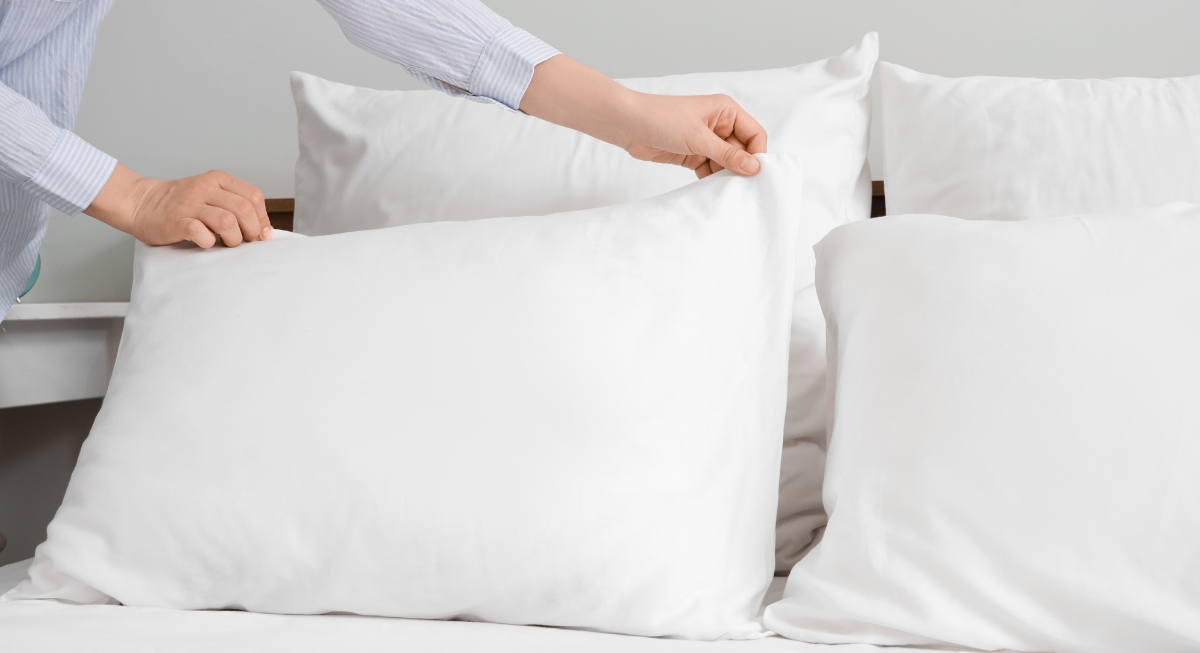
Pillows collect sweat and dust mites night after night. Over time, they lose their shape and fail to properly support the neck. Experts often recommend replacing them every one to two years. A quick test helps: fold the pillow in half and see if it springs back. If it stays flat or feels lumpy, it is ready to go.
Toothbrushes (3-4 Months)
Credit: pexels
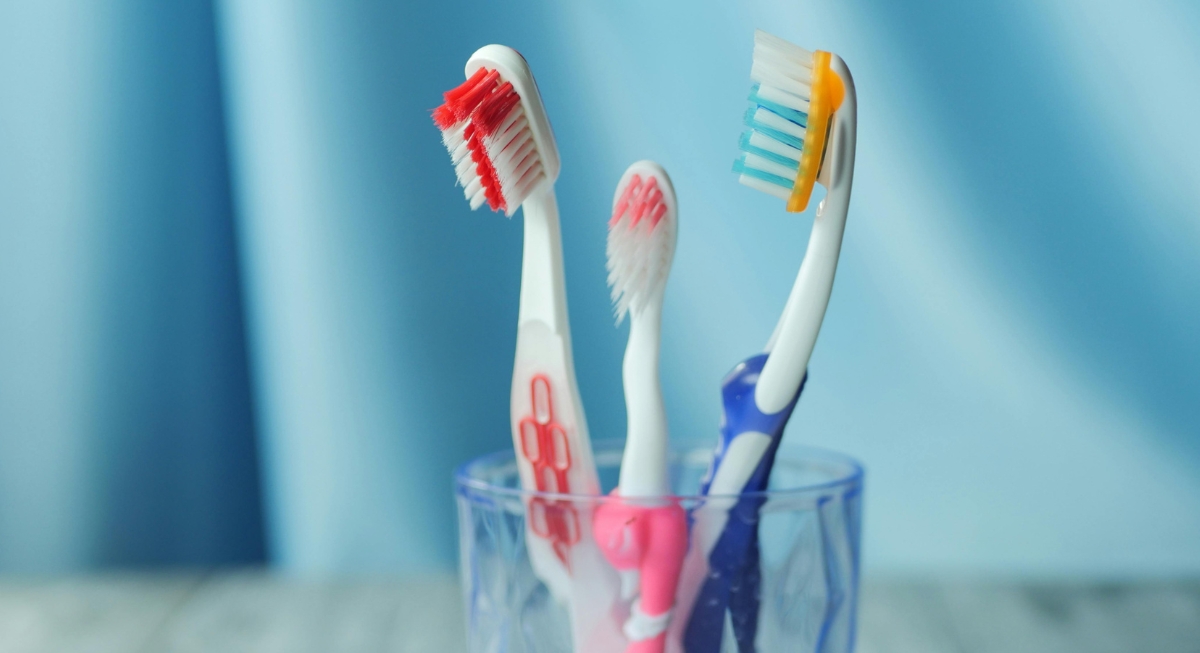
Bristles eventually lose their firmness and become less effective at cleaning teeth, even if they still look fine at a glance. Dental professionals recommend replacing them every 3 to 4 months. After an illness, swapping sooner helps reduce lingering germs. Frayed bristles or fading color on indicator brushes make the decision easier.
Shower Curtain Liners (6-12 Months)
Credit: Getty Images
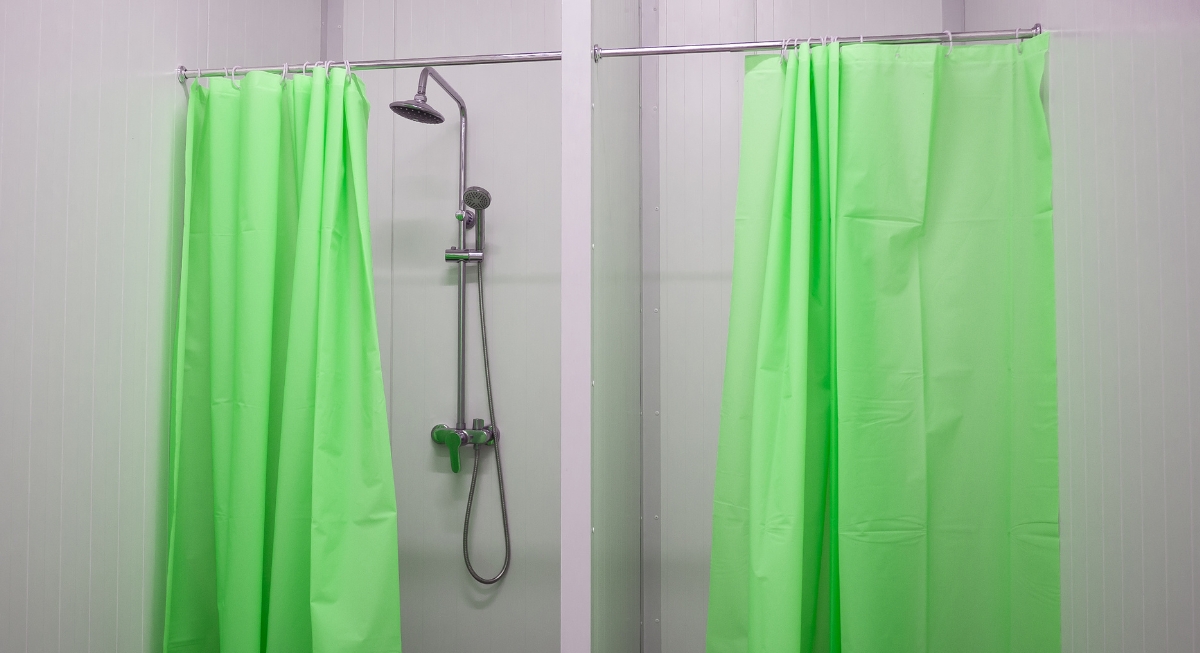
Shower liners are constantly exposed to moisture, so they’re a prime spot for mold and mildew. Even regular cleaning cannot fully prevent buildup. Most plastic liners need to be replaced every 6 to 12 months. Fabric options last longer with proper washing, though they still require replacement when stains or odors become noticeable.
Cutting Boards (1-2 Years)
Credit: pexels
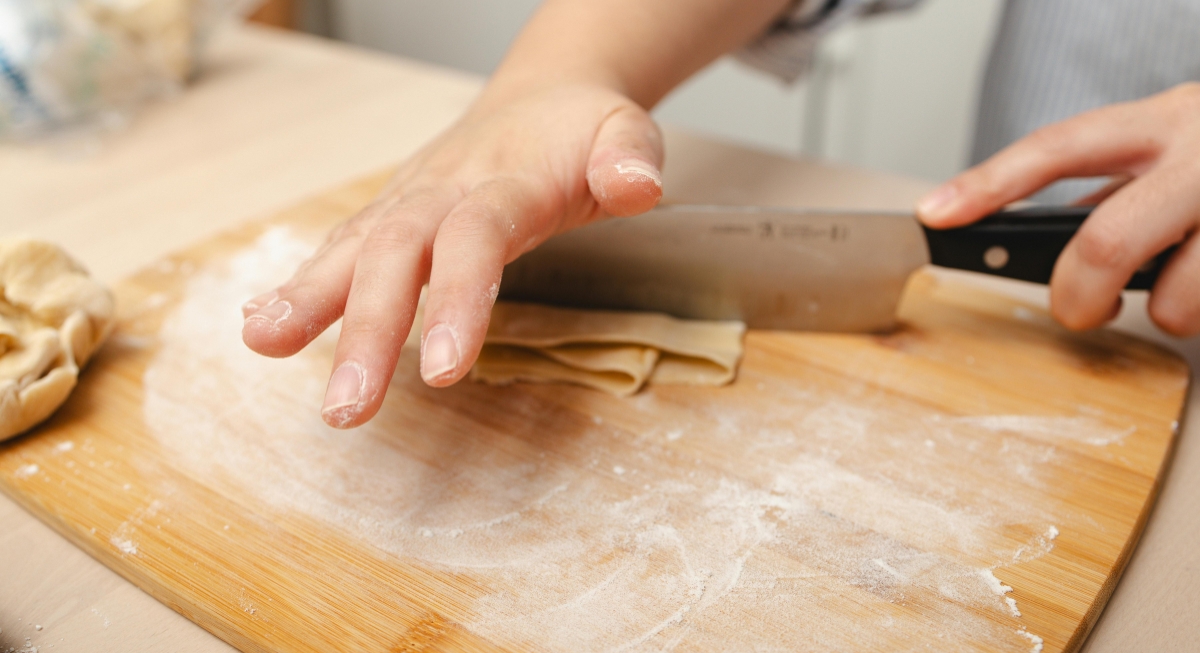
Cutting boards develop grooves over time from repeated knife use. Those tiny cuts trap food particles and bacteria, even after thorough washing. Plastic boards usually need replacing every one to two years, depending on use. Wooden boards can last longer with proper care, often up to four years.
Dish Towels (1-2 Years)
Credit: pexels
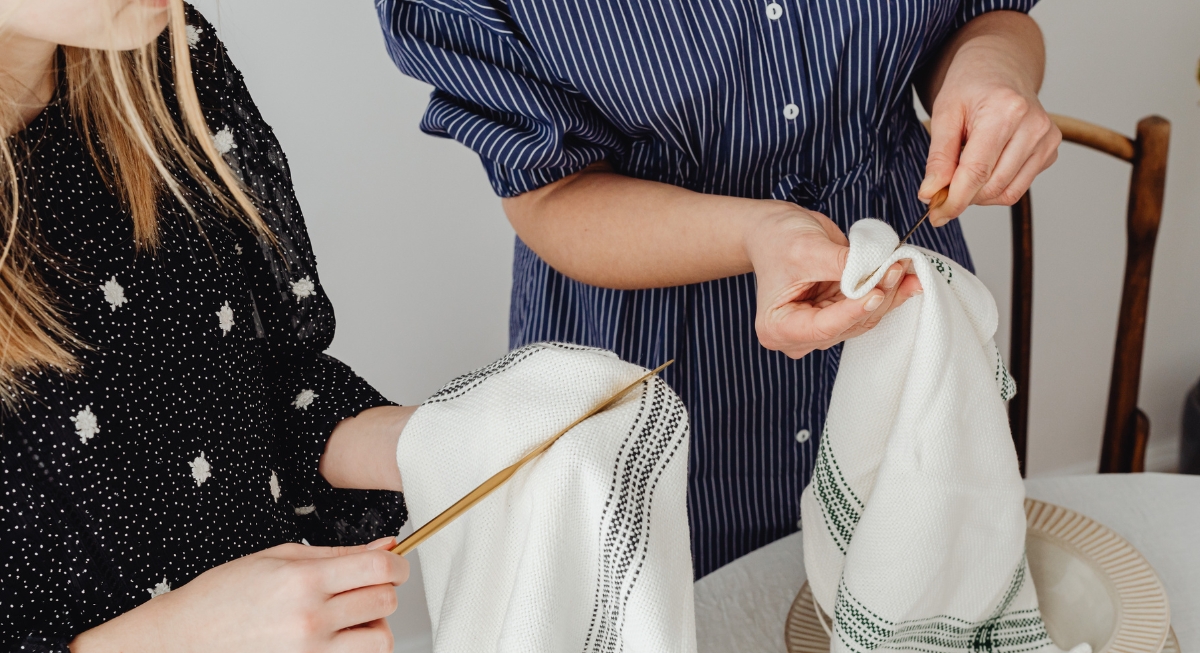
Dish towels come into contact with hands and dishes throughout the day. Over time, the fabric becomes less absorbent and may hold onto odors or stains. Replacing them every one to two years keeps them effective. If a towel feels rough or fails to dry surfaces properly, it has likely reached the end of its usefulness.
Plastic Food Storage Containers (Annually)
Credit: Canva
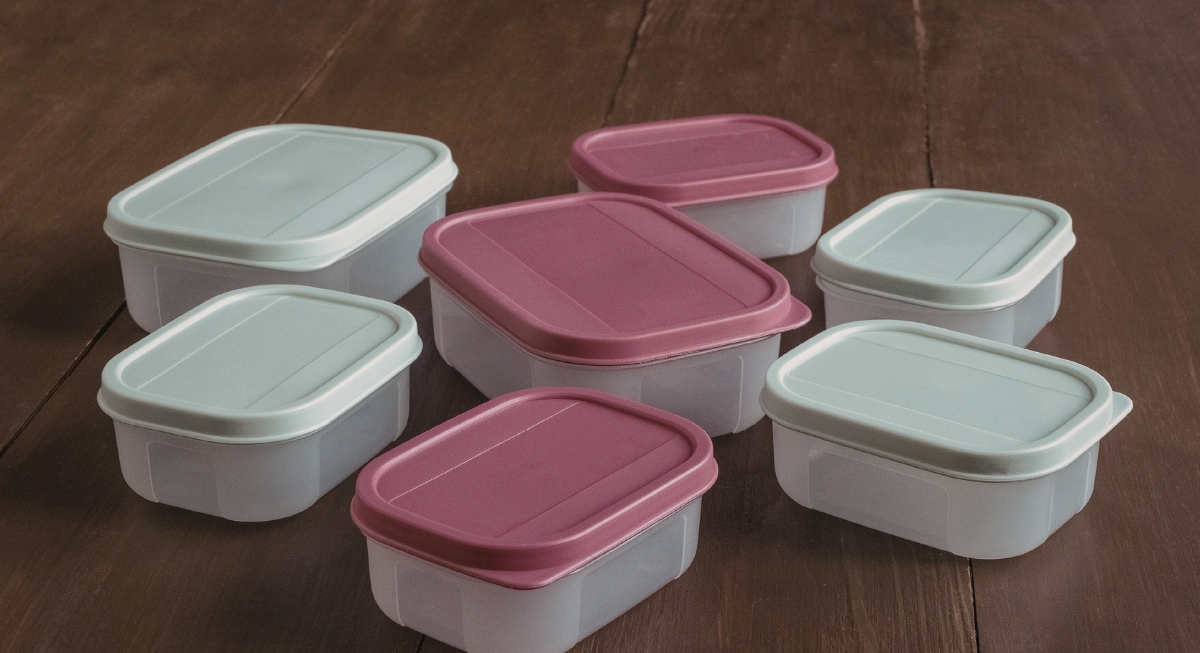
Repeated heating and washing create small scratches where bacteria can settle. Stains and lingering smells also build up over time. Replacing containers every year is a safe guideline, especially for heavily used pieces. Glass containers are a longer-lasting option and avoid the issue of worn plastic altogether.
Bath Mats (1-2 Years)
Credit: Canva
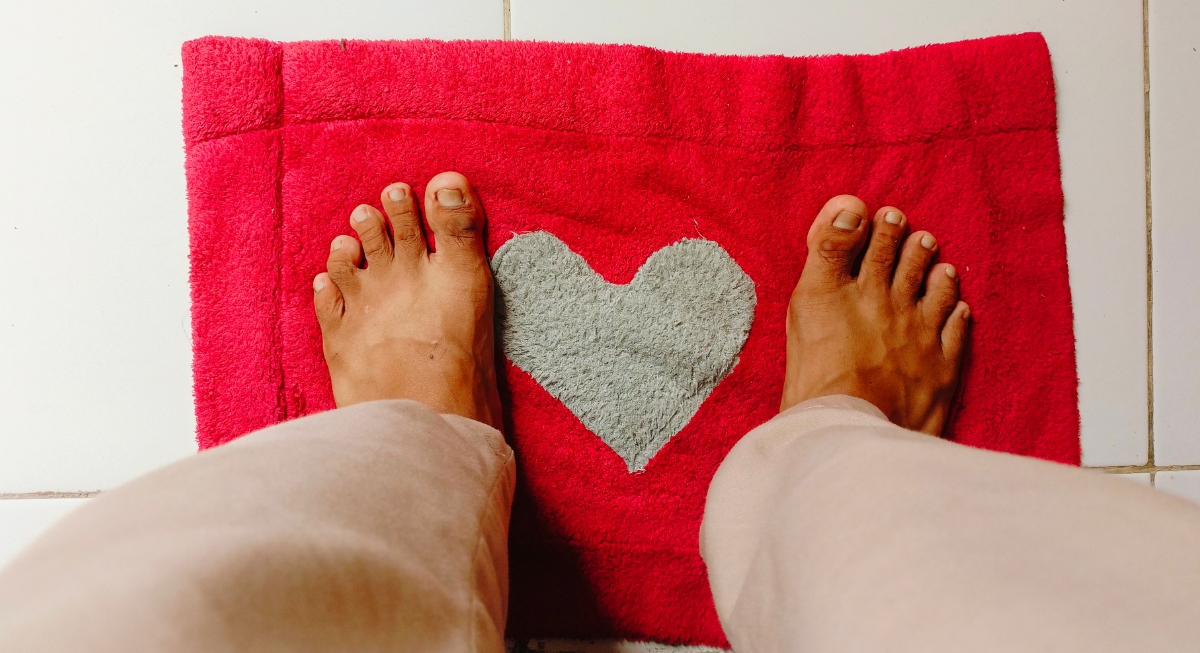
Bath mats sit in a damp environment and accumulate moisture and daily use residue. Replacing them every one to two years helps reduce buildup that cleaning alone cannot remove. If the backing starts to break down or the mat smells musty after washing, it is time to retire it.
Reusable Water Bottles (6-12 Months)

Credit: Canva
Reusable water bottles travel everywhere and are handled frequently. They’re prone to getting small cracks, or worn seals can trap bacteria in hard-to-reach areas. Even sturdy options benefit from occasional replacement once odors persist or parts begin to degrade. It’s recommended to replace the plastic ones every 6-12 months, though stainless steel ones can last 5-10 years.
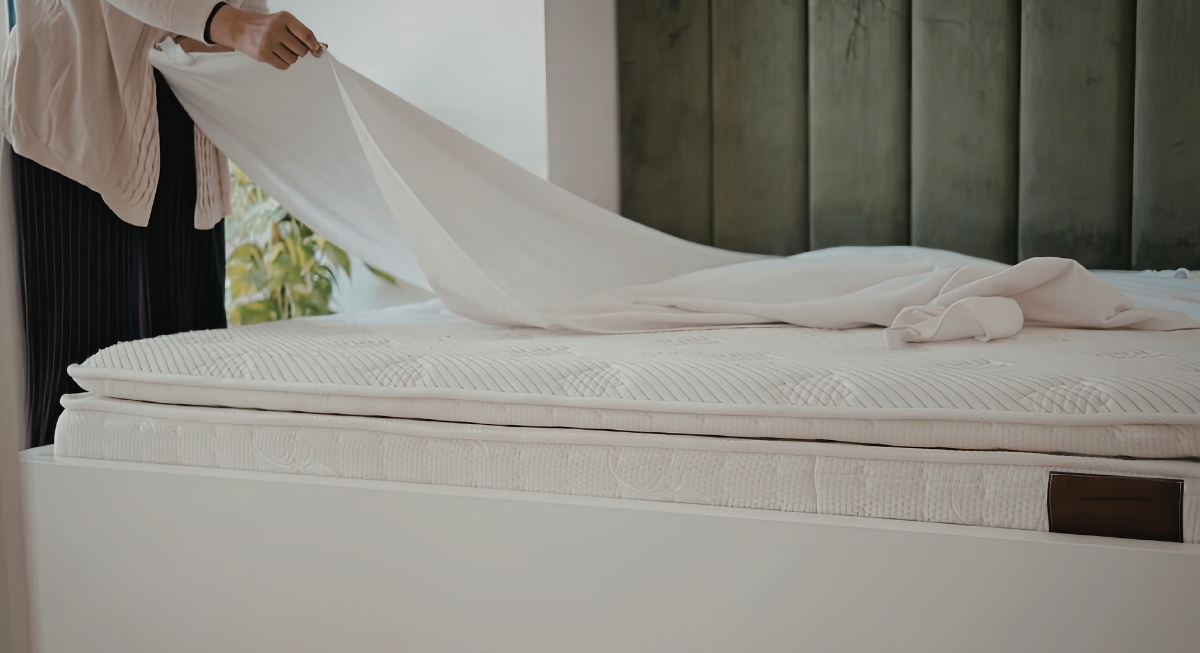
Mattress Protectors (1-3 Years)
Credit: Canva
The protective layer in mattress protectors gradually breaks down with repeated washing, which reduces its ability to block moisture and allergens. Many experts suggest replacing them every one to three years. Yellowing, thinning fabric, or a loss of waterproofing are common signs. Keeping this layer fresh helps extend the mattress’s lifespan.