10 Wild Reasons Why Renting a Movie Was a Friday Night Event
Friday nights used to hit different. Before Netflix passwords, streaming queues, and algorithmic recommendations took over, millions of Americans had a ritual that actually got them off the couch and out the door. They drove to a video store, wandered the aisles, argued over titles, and drove home with a plastic case in hand. Here is why renting movies used to be a highly anticipated weekend event.
The Convenience
Credit: Wikimedia Commons
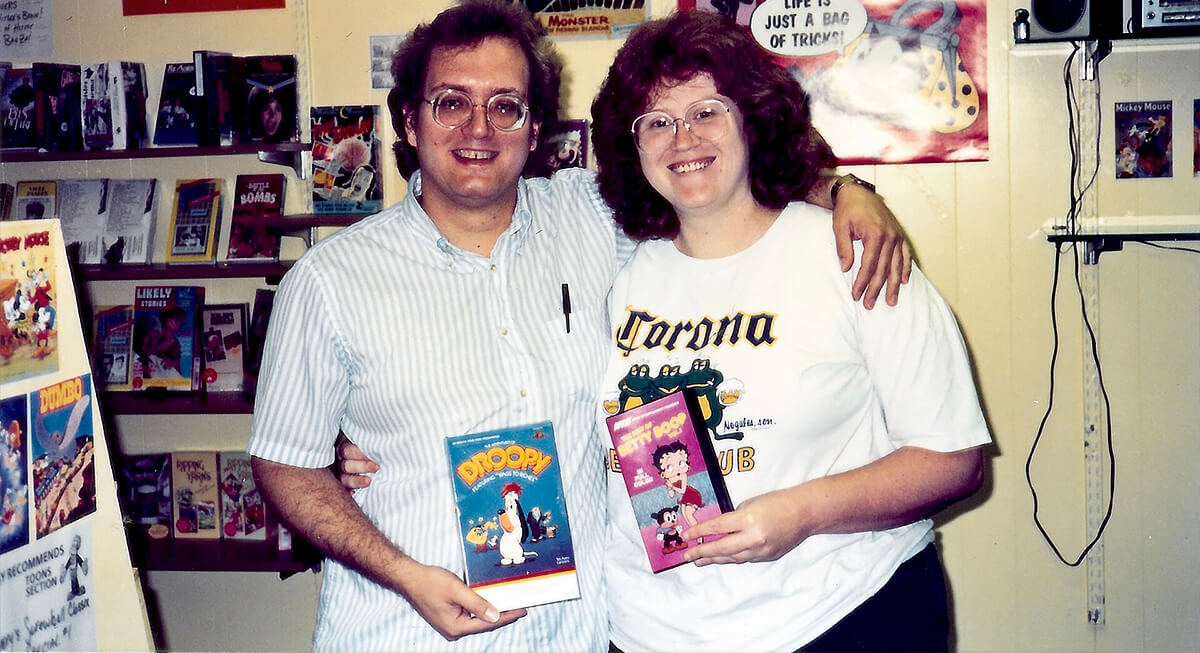
Friday was the finish line for some. For most people, that day meant the end of the workweek. Financially, renting a movie used to cost a couple of dollars. That combination of timing, low cost, and little obligation made weekends, including Friday nights, a default movie night for millions of American households.
Grocery Stores
Credit: Wikimedia Commons
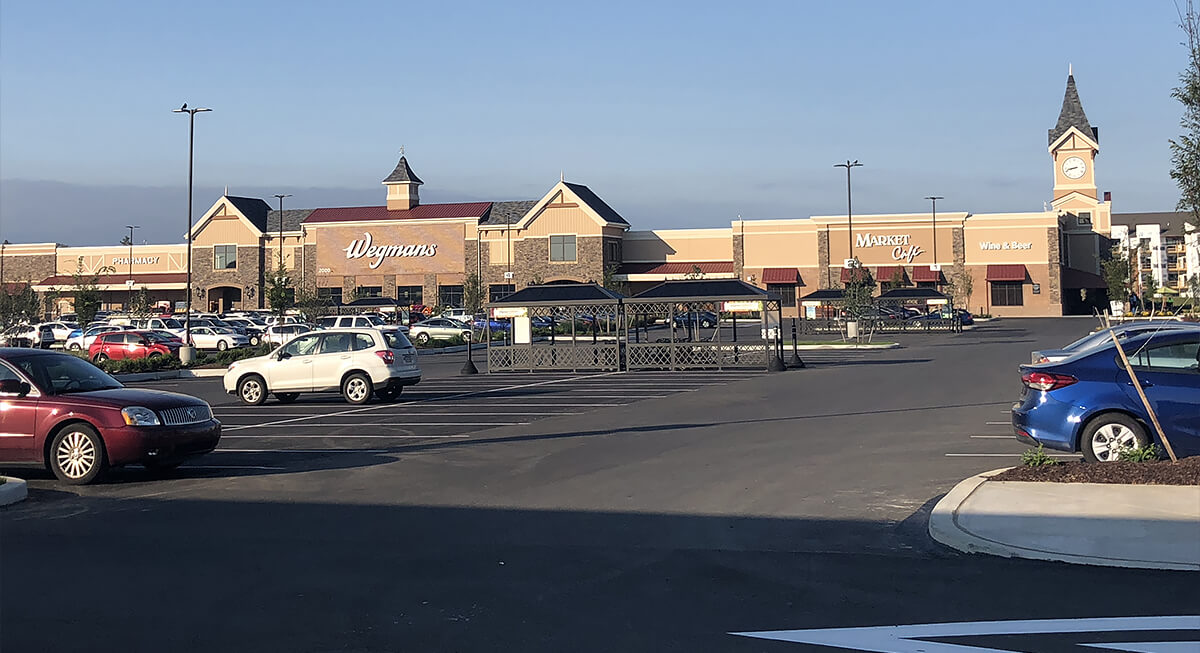
Supermarkets got into the rental business and made Friday nights easier than they had any right to be. Wegmans built dedicated video rental sections in its stores, while ShopRite video rental signage is documented from 1991. Some chains charged as little as $0.49 per rental to attract shoppers. Sure enough, the ability to pick items like snacks and the night’s entertainment in a single trip appealed to people.
The Kids’ Anticipation
Credit: Vidiots
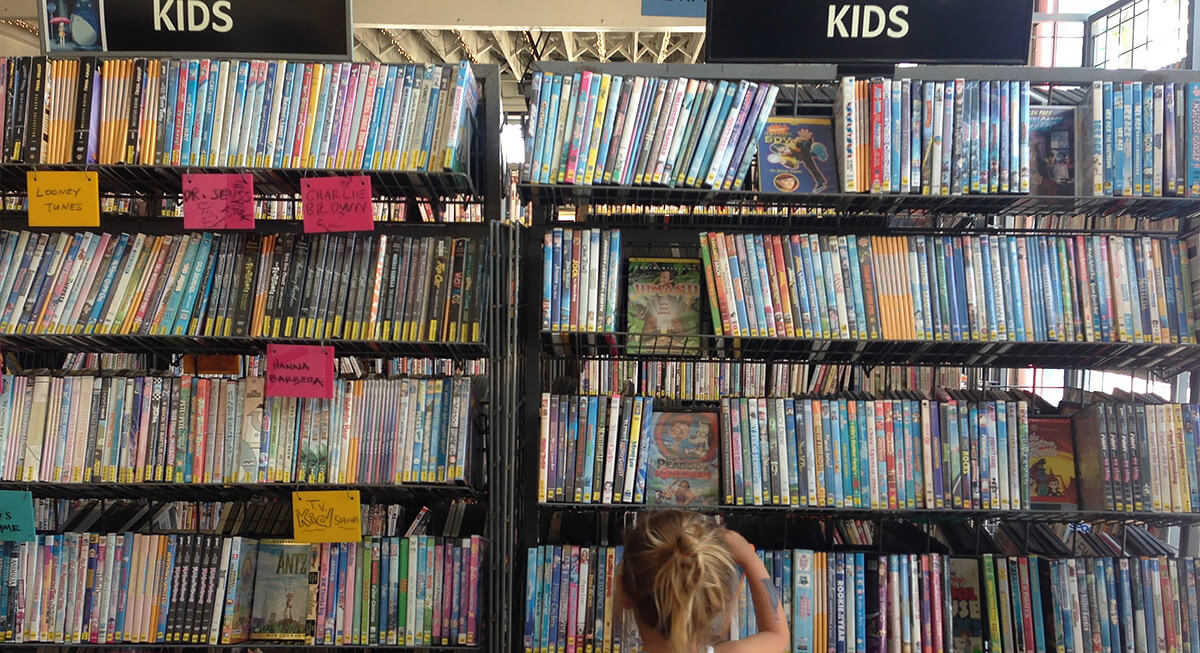
The video store’s kids section was genuinely stocked with titles worth getting excited about. The Lion King sold 32 million VHS copies in the US after its 1995 home release, and Aladdin sold 30 million. Those numbers were partly thanks to the family-market demand.
The Blockbuster Engineering
Credit: Wikimedia Commons
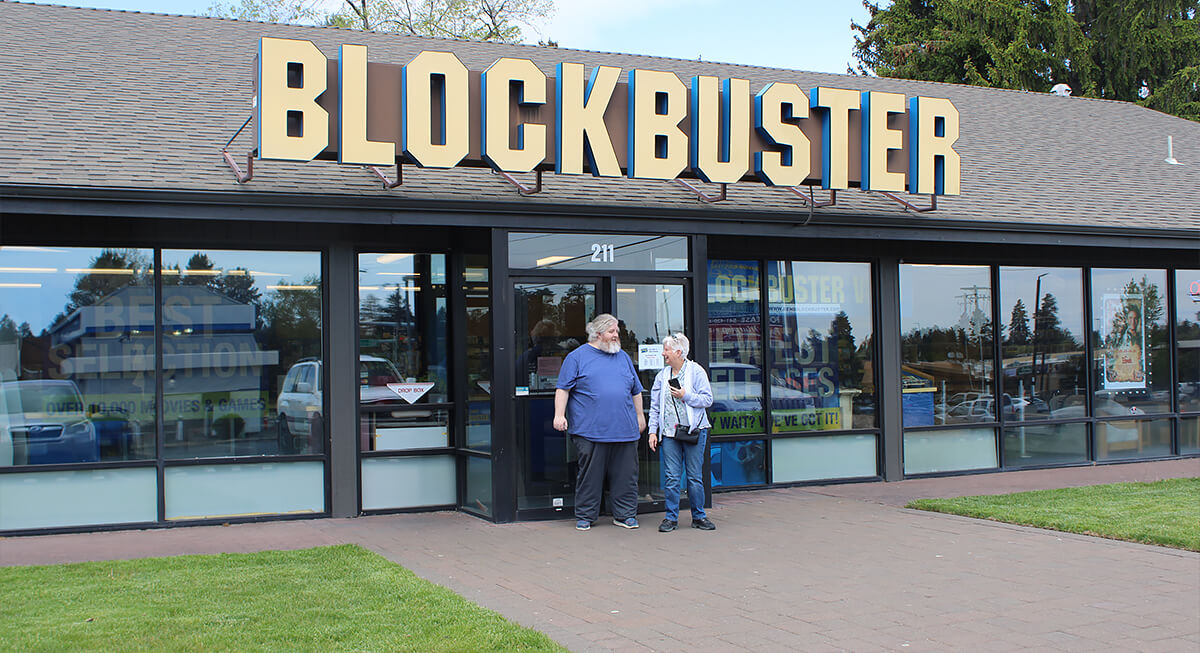
David Cook opened the first Blockbuster on October 19, 1985, in Dallas, and the store was designed to feel different from the dimly lit rental shops of the time. It was spacious, brightly lit, well-organized, and stocked with thousands of titles. At its worldwide peak in 2004, the chain had over 9,000 locations and more than 84,000 employees. The sheer scale and polish of the Blockbuster encouraged the culture of movie rentals.
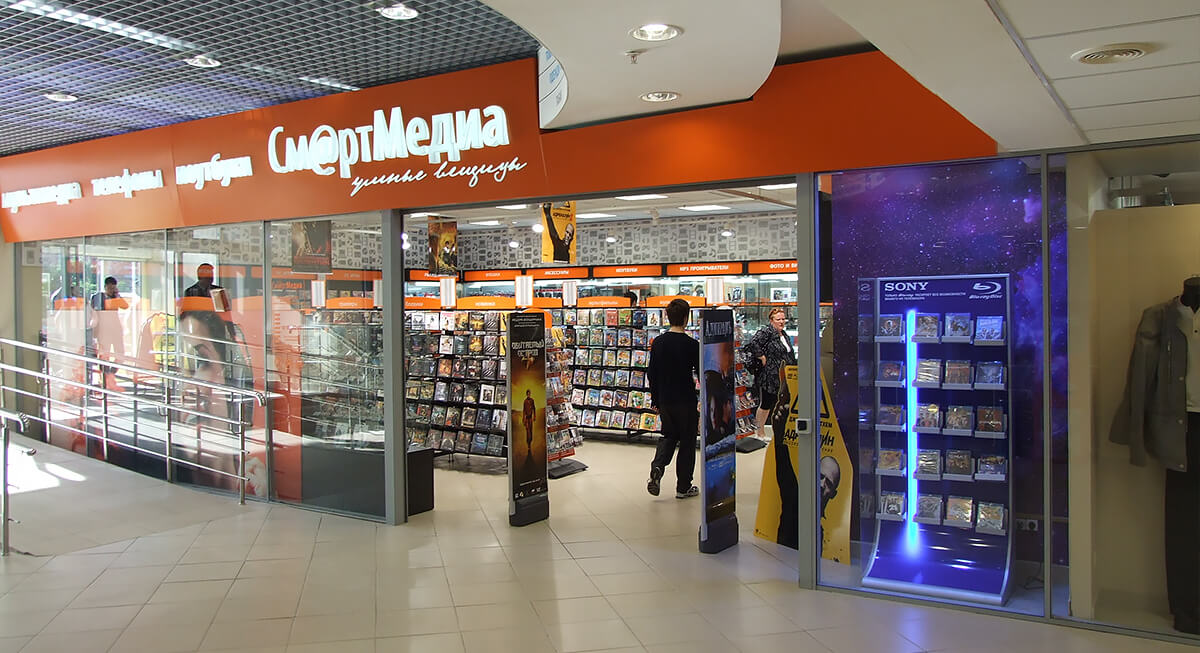
The Store Gave People Somewhere to Go
Credit: Wikimedia Commons
Back then, there was no streaming queue to scroll, no algorithm serving up suggestions, and no way to browse from the couch. If you wanted to find something worth watching on a Friday night, you had to show up in person. Daniel Herbert, a film professor at the University of Michigan, has noted that video stores contributed to the social fabric of communities in ways that went beyond simple transactions.
The Snack and Movie Combo

Credit: Canva
Blockbuster and Pizza Hut outlets were sometimes within miles of each other, even when they were not part of a specific promotion. Some customers would combine the two stops into a single Friday-night run. Rent a movie, grab a pizza, and head home. The routine was affordable and repeatable. Decades later, that snack and movie combo has become part of the movie-watching culture.
The Late Fee
Credit: Wikimedia Commons
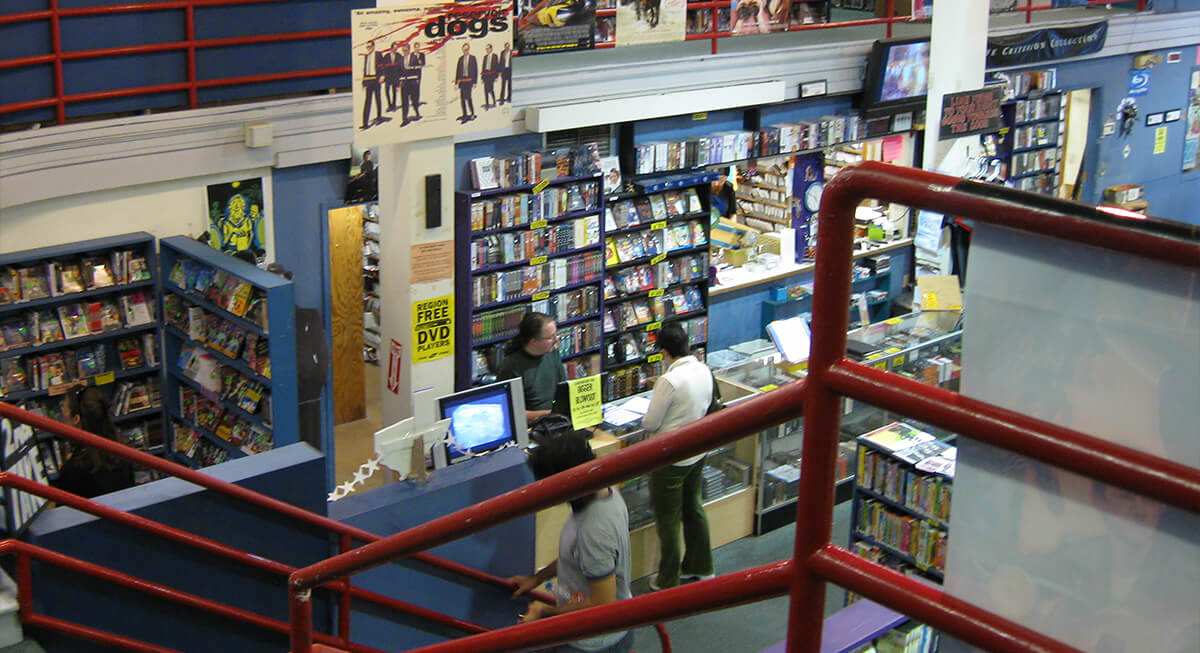
Video stores charged late fees on overdue rentals, which most people wanted to avoid. That single policy created a built-in urgency around the Friday pickup. Customers who rented over the weekend had to return titles by a specific time or get hit with an extra charge. It sounds punishing, but it gave the whole ritual a deadline that kept people engaged. You picked your movie, you watched it, and you made sure it was back on time.
Extended Viewing Windows

Credit: Getty Images
Some video stores rented titles for two to three days, which meant a Friday pickup lasted through Sunday. This meant that families could grab multiple titles in one go, spacing them out across those three days. The rental period could have made for a weekend of movies, which made the Friday night store run a logical move.
Cheap Rental Prices
Credit: Wikipedia
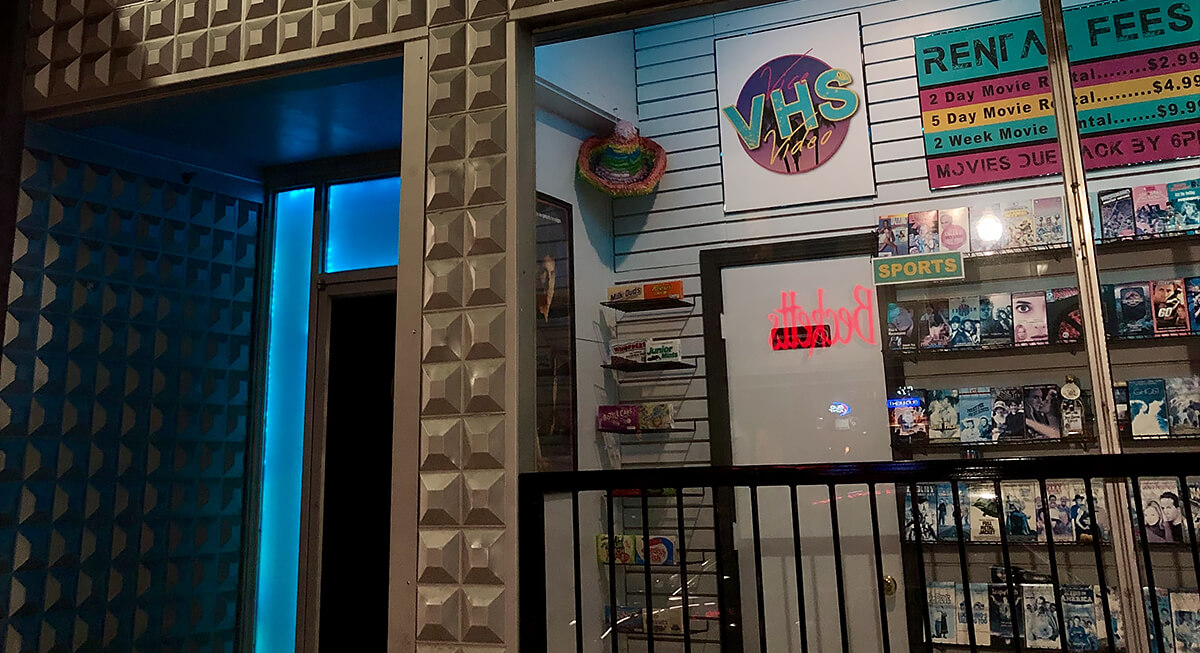
Taking a family of four to the cinema in the early 1990s meant buying four tickets plus snacks, and the bill added up fast. Renting two movies from a video store was a different ball game. Dedicated rental stores typically charged between $1 and $3 per title, and grocery store rentals ran as low as $0.49. The price difference made the video store the obvious Friday night call for households on a tight budget.
The Spike In VCR Ownership

Credit: pexels
VCR ownership in American homes was around 1% in 1980. By late 1988, that number had climbed to around 60%. Many households that bought a VCR suddenly had a reason to visit a rental store, and the weekend was the natural time to do it. The living room became a screening room, the rental store became a weekly destination, and the two fed each other almost naturally.