10 Forgotten ’80s Bands That Are Actually Worth Rediscovering Right Now
The 1980s produced more than the chart giants that still dominate playlists today. Aside from the familiar hits, there’s a wide mix of bands that found brief success or loyal followings before slipping out of view. Many had sharp songwriting, distinct sounds, or cultural impact that never quite translated into long-term fame. Revisiting them now can offer a clearer picture of how varied the decade really was.
The Fixx
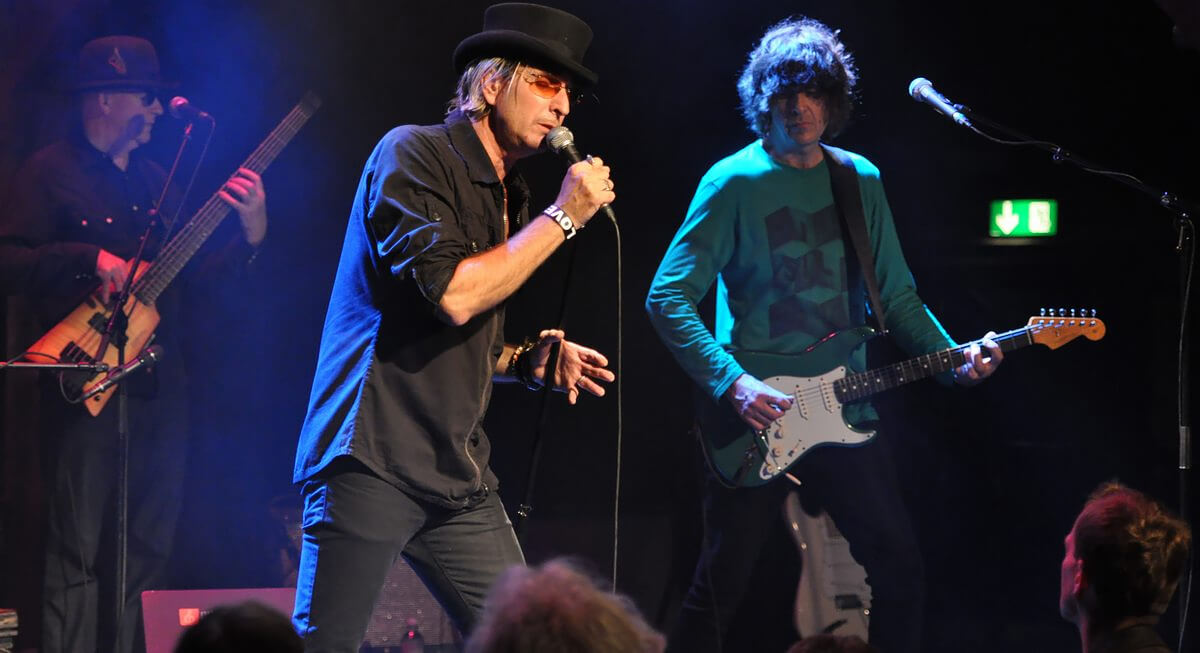
Credit: Wikimedia Commons
Cy Curnin’s voice gave The Fixx a distinct identity that stood apart on early MTV. Their songs often leaned into uneasy themes about politics and human behavior, which felt heavier than most radio-friendly new wave at the time. Reach the Beach sold well in the U.S., but the band never quite crossed into long-term mainstream recognition.
Glass Tiger
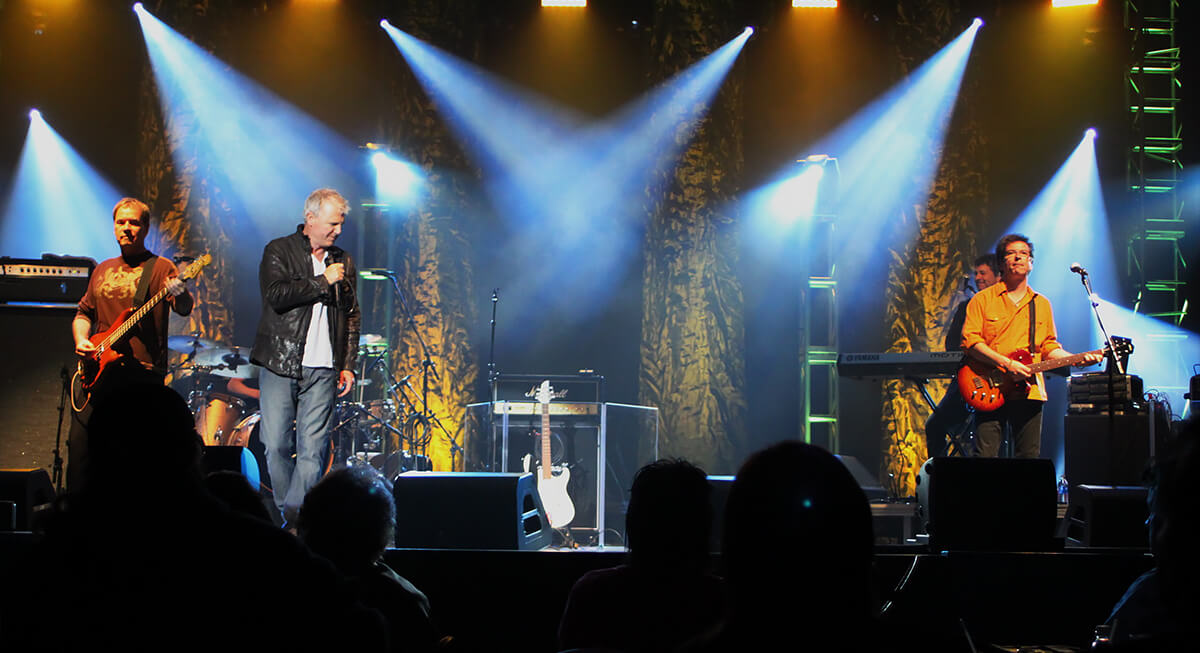
Credit: Wikimedia Commons
Before Canadian pop exports became a regular part of global charts, Glass Tiger carried that banner in the mid-80s. Their debut album moved millions of copies, earning multiple Juno Awards in the process. Don’t Forget Me (When I’m Gone) gained extra attention through Bryan Adams’ involvement.
Hüsker Dü
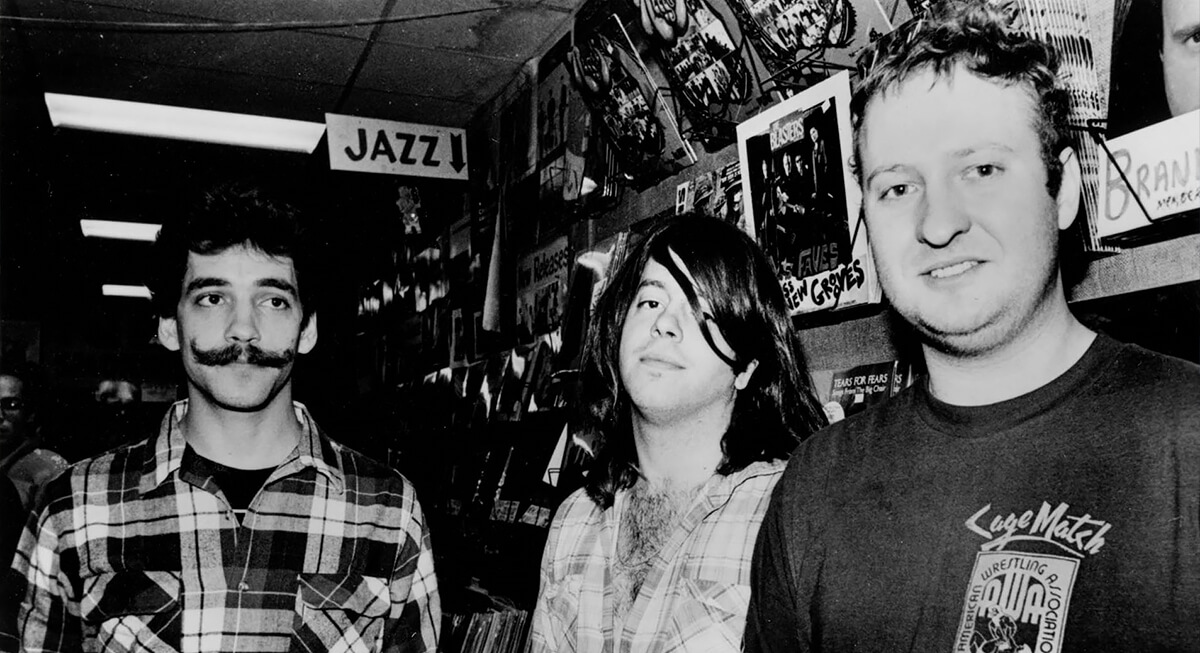
Credit: Wikimedia Commons
Starting in hardcore punk, the band evolved into something more melodic by the mid-80s. Zen Arcade stands as a turning point that combined aggression with introspection. Later artists across alternative and indie scenes often point back to their work.
Fine Young Cannibals
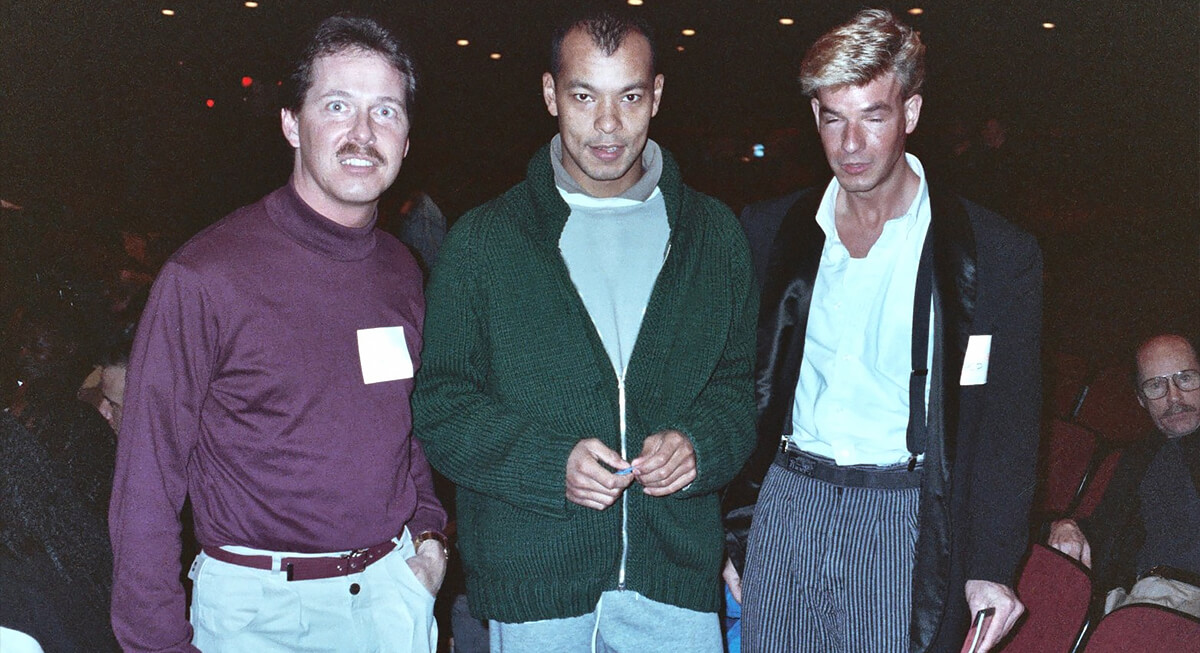
Credit: Wikimedia Commons
Roland Gift didn’t come from a traditional music background, which may explain why his voice stands out so clearly on record. Fine Young Cannibals released only two albums, but The Raw & the Cooked reached No. 1 on the Billboard 200. She Drives Me Crazy dominated airplay, and their take on Elvis Presley’s Suspicious Minds was well-received.
Transvision Vamp
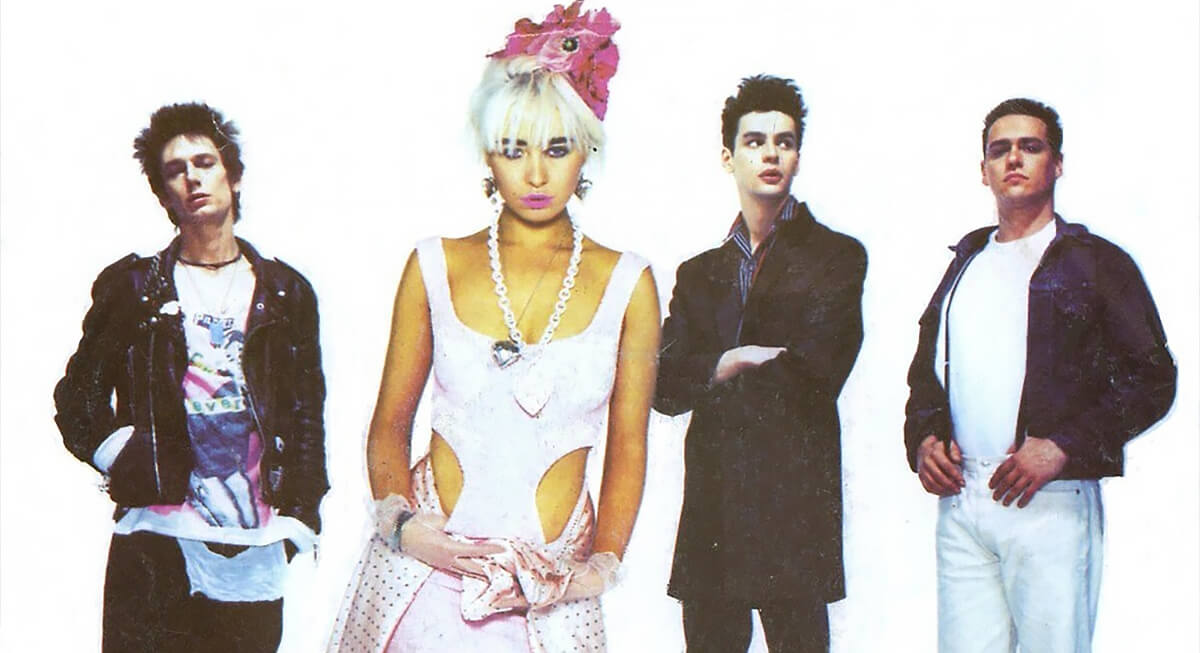
Credit: Wikipedia
Wendy James became a recognizable figure in late-80s UK pop culture, often appearing in magazines as much as on music charts. Transvision Vamp leaned into that visibility, pairing it with upbeat, guitar-driven songs that carried a rebellious streak. Baby I Don’t Care climbed the charts quickly.
The Replacements
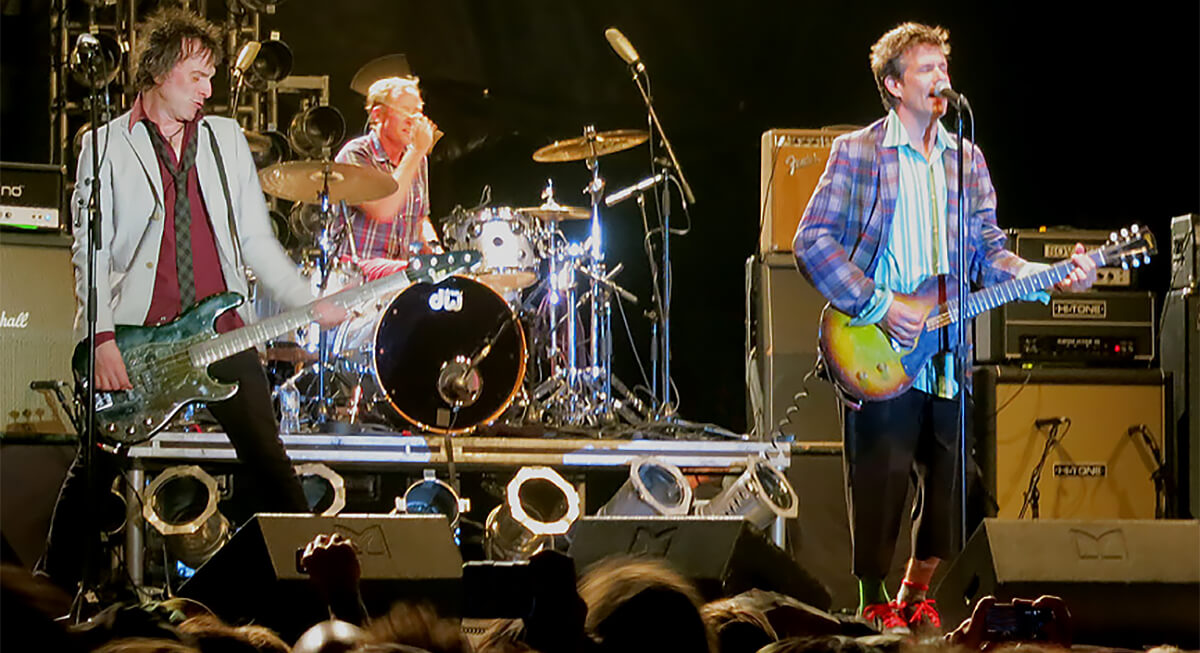
Credit: Wikimedia Commons
The Replacements spent much of the 1980s building a reputation. Their early records carried a rough edge, but later releases showed a shift toward more structured songwriting. Tracks like Bastards of Young gained recognition over time, especially as alternative rock grew in the next decade.
Age Of Chance
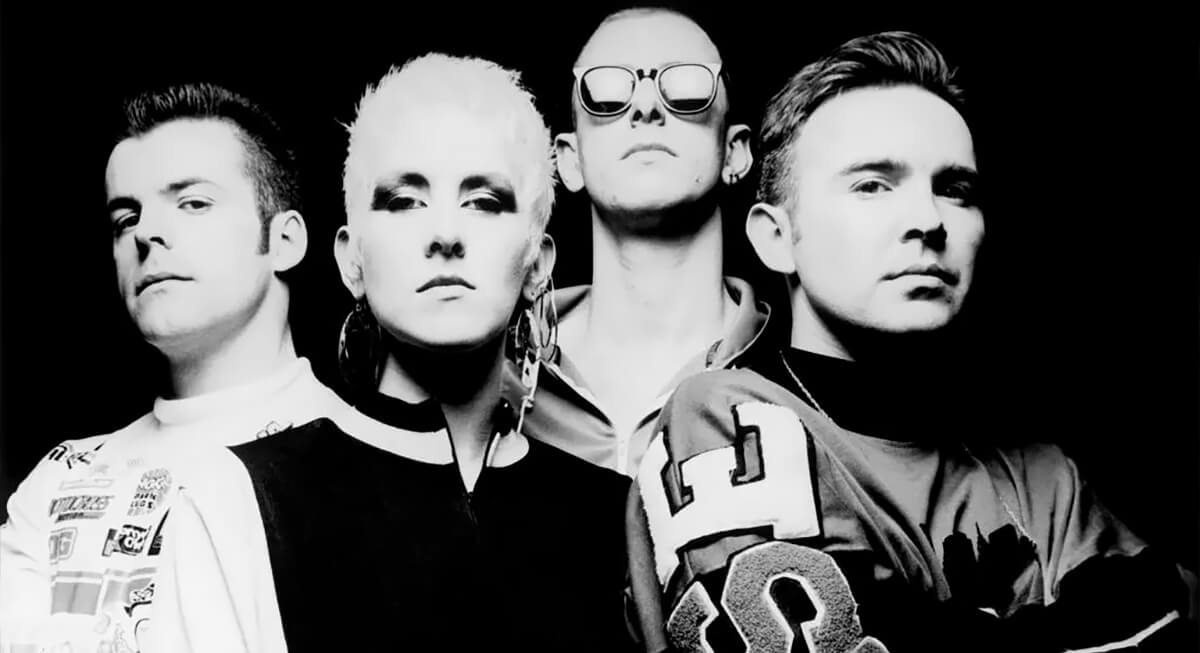
Credit: Electronic Sound Magazine
Leeds-based Age Of Chance approached music with a different mindset by bringing a DJ into the band at a time when that setup was rare for rock acts. Their version of Prince’s Kiss caught the attention of BBC Radio 1’s John Peel, which helped them secure a wider audience. Their debut album pulled from house, hip-hop, and industrial sounds.
XTC
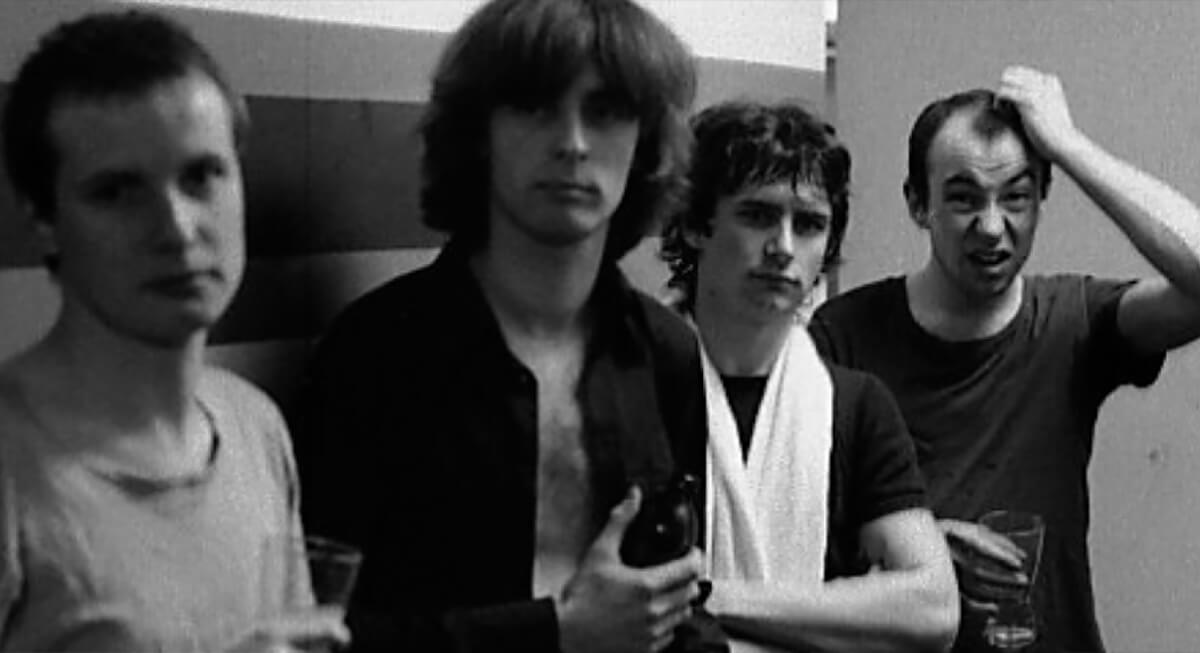
Credit: Wikimedia Commons
XTC built a strong reputation in the UK but struggled to achieve the same level of traction in the United States. Their music often featured layered arrangements and sharp songwriting, which stood apart from simpler pop structures. Dear God sparked discussion and drew attention, though it does not fully represent their range.
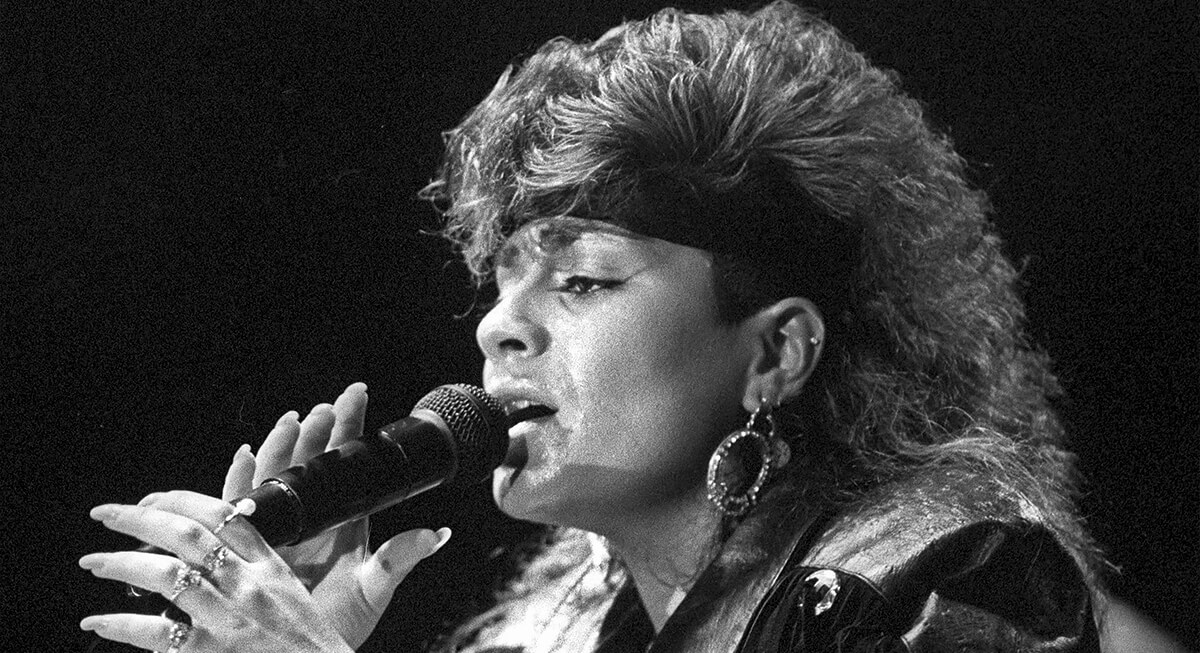
Lisa Lisa And Cult Jam
Credit: Wikimedia Commons
Lisa Lisa and Cult Jam blended pop, freestyle, and R&B into a sound that connected strongly with dance audiences. Produced by Full Force, their early work found success on both charts and club floors. Songs like Head to Toe and All Cried Out became staples of the era.
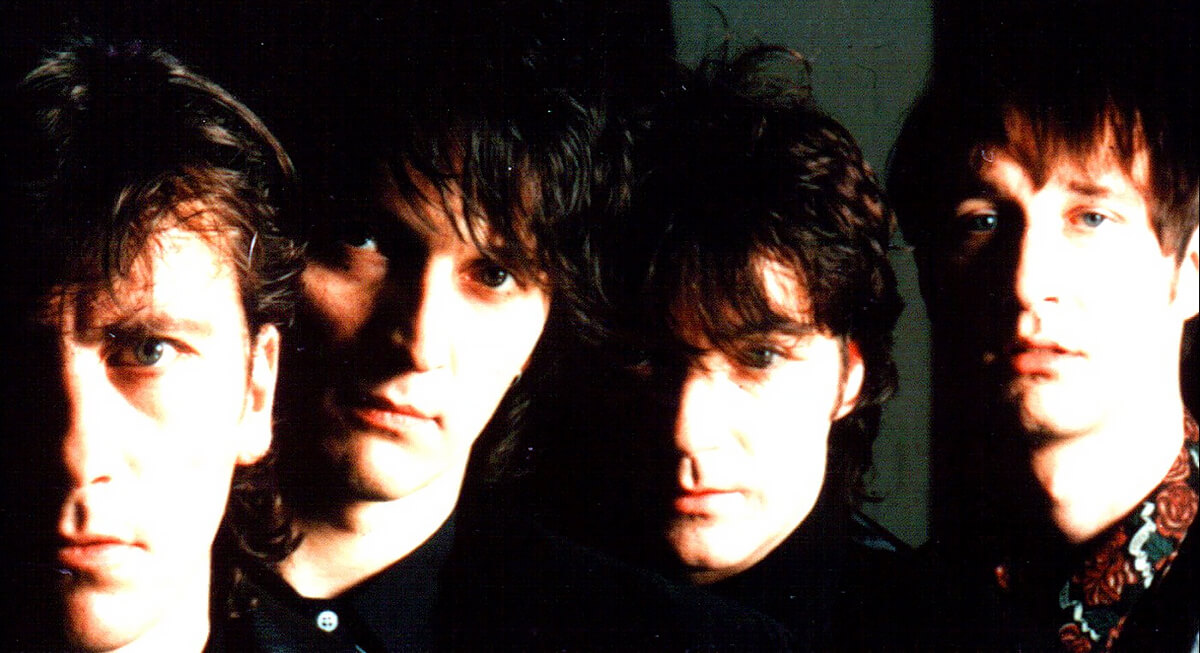
Diesel Park West
Credit: Diesel Park West
Diesel Park West developed a following among critics, though commercial success remained limited. Their music combined elements of American rock with British sensibilities. Tracks like Like Princes Do highlight strong guitar work and thoughtful songwriting. Their recordings still circulate among fans.