These Medical Conditions Sound Straight Out of a Horror Movie, but They Are 100% Real
Medical science has documented conditions that may sound like they are made up, but they actually exist in clinics and research papers. These cases do not rely on myths or exaggeration because doctors diagnose them using imaging, genetics, and long-term observation. People diagnosed with these issues typically experience confusion, delayed treatment, or disbelief. Additionally, some disorders affect perception, while others alter how the brain processes reality.
Walking Corpse Syndrome

Credit: pixelshot
Also known as Cotard’s syndrome, Walking Corpse Syndrome involves a fixed belief that the body no longer exists. People who have this syndrome may even insist that they are dead, lack some organs, or have lost all physical presence. Doctors frequently link it with severe depression and certain neurological illnesses, and a number of patients stop eating or drinking because bodily functions feel meaningless.
Exploding Head Syndrome

Credit: pexels
Individuals believed to have the Exploding Head Syndrome sometimes hear loud noises during sleep transitions. On more than one occasion, they have even described them as crashes, bangs, or sharp bursts of sound. These episodes occur without any noticeable external influence. Most cases don’t require medical treatment, though they can be unsettling. Improved sleep habits often reduce the frequency of occurrence.
Tree Man Disease

Credit: Wikimedia Commons
If you notice thick, bark-like growths on the hands or feet that limit movement, it could be a sign of Tree Man Disease. This rare disease, medically known as epidermodysplasia verruciformis, causes wart-like lesions to form due to an abnormal response to certain types of HPV. The disorder stems from genetic mutations that weaken the skin’s ability to defend against infection.
Water Allergy

Credit: Getty Images
Aquagenic urticaria causes hives after skin contact with water. The interesting thing is that temperature makes little difference, and even sweat can trigger symptoms. The reaction usually begins within minutes and fades after drying. Consequently, daily routines require planning, as bathing and exercise can trigger flare-ups.
Foreign Accent Syndrome

Credit: Getty Images
You may suddenly sound like you’re speaking with a foreign accent, even if you’ve never left your hometown. That’s the reality of Foreign Accent Syndrome, which tends to appear after a stroke, brain injury, or other neurological event. It alters rhythm, pitch, and speech patterns in ways that resemble an unfamiliar accent.
Hyperthymesia

Credit: Canva
Research into hyperthymesia focuses on how the brain stores and retrieves autobiographical memories with such precision. According to patients who have this condition, they can recall personal events, like exact dates, conversations, or routines, with little effort and exceptional clarity. The ability tends to emerge in adolescence and remains consistent. Scientists have observed structural differences in specific brain regions, though the full cause is still unclear.
Progeria
Credit: Youtube
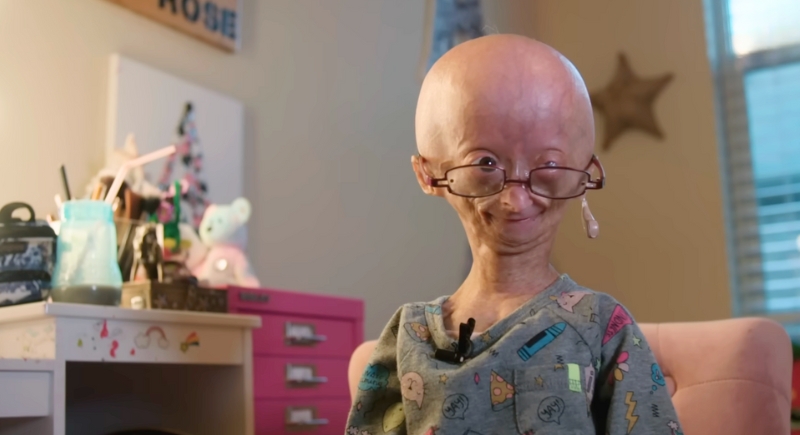
For those diagnosed with progeria, aging begins alarmingly early, usually within the first two years of life. Children experience growth delays, joint stiffness, and early heart disease. In 2020, the FDA approved a medication called Zokinvy, which helps lower the risk of death by addressing some of the disease’s effects on cells. While not a cure, it marked a major step forward.
Canities Subita
Credit: Getty Images
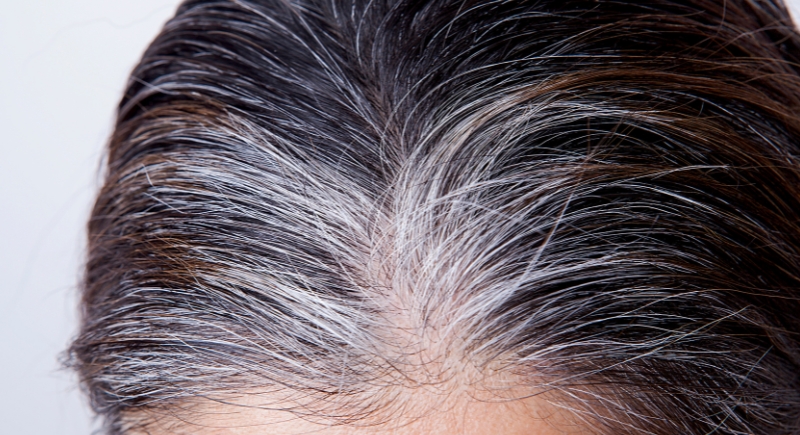
Stress or illness can trigger canities subita, where hair turns white in a short period. Though the change seems sudden, modern studies suggest it may result from rapid pigment loss or autoimmune activity affecting hair follicles. Historical accounts, like that of Marie Antoinette, describe dramatic overnight whitening.
Fibrodysplasia Ossificans Progressiva
Credit: Wikimedia Commons
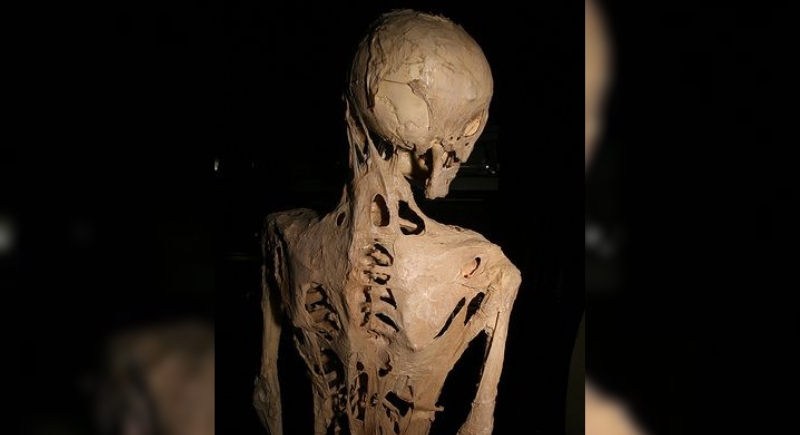
When muscle tissue turns into bone after minor injuries, doctors may diagnose fibrodysplasia ossificans progressiva. This condition begins in early childhood and progresses as tendons, ligaments, and muscles slowly become rigid. Even small traumas, such as falls or injections, can trigger irreversible bone growth in soft tissue.
Congenital Insensitivity to Pain
Credit: Getty Images
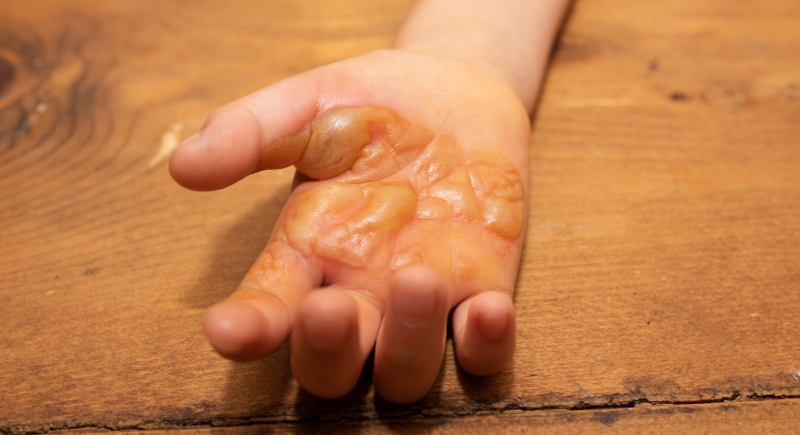
There is no cure for congenital insensitivity to pain, a condition that causes individuals to experience pressure or temperature changes but not pain. This missing pain signal makes injuries hard to detect, especially in young children. Burns, fractures, and infections tend to go unnoticed without visible signs.