Real Cognitive Glitches in the Matrix That Will Freak You Out
Your surroundings and reality may seem pretty steady to you, but the brain is constantly editing what makes it through to awareness. Neuroscience confirms that perception relies on prediction and corrections that happen before you even notice them. This means parts of your day are stitched together without you realizing it. When those edits become visible, the experience can feel like a scene straight out of The Matrix. The stories discussed in this article sound impossible, but each one connects to the strange mechanics running behind the scenes of your own mind.
The Clock That Freezes
Credit: Getty Images
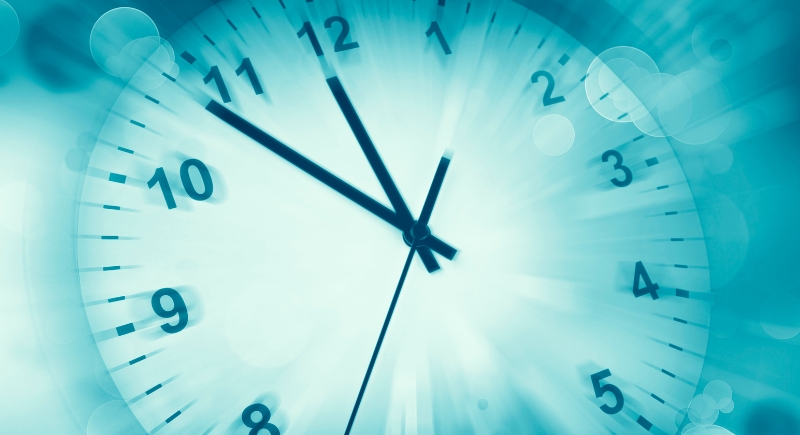
When you look at a wall clock, the second hand may appear to pause briefly before moving. This effect is called chronostasis. Your eyes make rapid movements known as saccades, and during each movement, your brain temporarily suppresses visual input to prevent blur. When your gaze stabilizes, the brain compensates for the lost milliseconds by extending the first image it processes.
Hearing Sounds That Are Not There

Credit: pixelshot
People often report hearing their phone notification tone clearly, only to check the screen and find no missed calls or messages. This experience is known as an auditory hallucination triggered by expectation. The brain constantly scans for familiar sounds that signal relevance. When anticipation is high, neural circuits can fire as if the sound occurred. Studies on phantom vibration syndrome also show that repeated exposure to alerts conditions the brain to predict them.
The Stair That Wasn’t There

Credit: Africa Images
Expecting another step and finding none triggers a prediction error in the brain. The nervous system continuously anticipates the next movement based on learned patterns. The missing step forces a rapid correction. An automatic alarm response activates before conscious awareness, which is why the jolt feels immediate and intense.
Words Changing Mid-Sentence

Credit: Canva
The brain reads using shortcuts and anticipates upcoming words based on context and experience. During fast reading, a strong prediction can briefly override the actual letters on the page. Once the mismatch registers, the brain corrects it within milliseconds.
The Doorway Effect
Credit: Canva
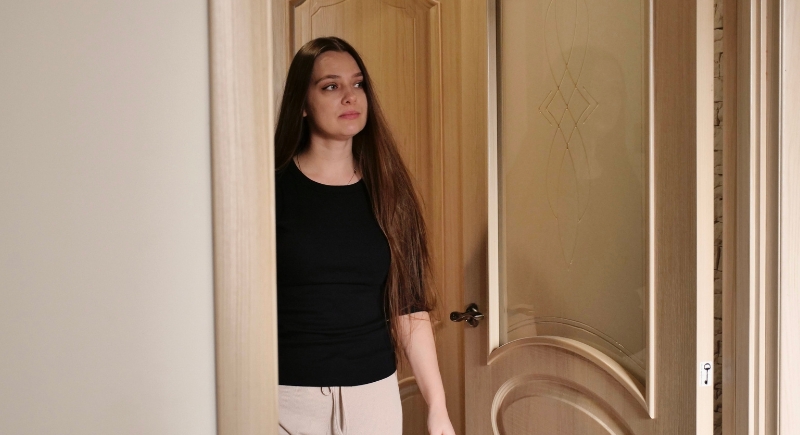
Forgetting your purpose after entering a room is a well-documented cognitive phenomenon known as an event boundary. The doorway marks a shift in context, prompting the brain to reorganize working memory. Information from the previous environment loses priority as attention shifts to the new setting. The experience can be like a mental reset, though the brain has simply restructured information in response to a change in context.
A Blink That Skips Time

Credit: Africa Images
Severe sleep deprivation can trigger microsleeps that last a few seconds. The brain briefly shuts down awareness, even if your eyes remain open. When consciousness returns, the missing stretch feels instant because it was never encoded as experience. To you, time appears to jump forward. To anyone nearby, you simply paused or went silent for a moment.
Memories That Rewrite Themselves

Credit: Getty Images
Recalling a memory is similar to putting a puzzle back together. Each time you retrieve an event, the brain reconstructs it from fragments stored across different regions. During reconsolidation, new details can attach before the memory is stored again. Research shows confidence does not equal accuracy, and vivid memories can shift significantly over the years.
The Quiet System Reset

Credit: Getty Images
A surge of emotion or a sudden reflex can instantly narrow awareness. When adrenaline rises, the brain shifts resources toward the immediate threat or demand. Attention tightens on what feels urgent, and background details drop out. Once the surge passes, normal awareness returns, and the brain stitches the gap into a continuous memory. The shift happens quickly, so it often goes unnoticed.