9 Psychological Tricks to Win Arguments
People rarely change their minds because someone speaks louder. Most arguments run on emotion just as much as logic, which is why psychology matters. The people who persuade well pay attention to how others think, react, and resist. These ideas are not about manipulation. They are about staying calm, choosing smarter responses, and guiding conversations in your favor without letting things spiral into a shouting match.
Start With What You Both Already Agree On

Credit: Canva
If both sides nod to the same basic idea, you’ll seem more reasonable and harder to argue against later. Researchers call this “shared reality,” and it works because people feel less defensive when they believe you’re partly on their side. Even a small overlap, like agreeing on a goal, helps anchor your argument in mutual understanding.
Slow Down and Let Silence Do the Work

Credit: pexels
Pauses feel awkward for a reason: humans are wired to keep conversations moving. But in an argument, holding back for a second or two after a strong point can make it land harder. A well-timed pause can prompt them to soften their stance or reveal something they didn’t mean to.
Flip the Cause and Effect

Credit: Canva
In debates, the first assumption often wins by default. That’s why reversing the causal flow can be powerful. If someone argues that stress causes poor sleep, ask what happens when someone sleeps poorly—isn’t stress likely to follow? Psychologists use this in theory-building all the time, and it works in conversation too.
Point Out the False Choices
Credit: Canva
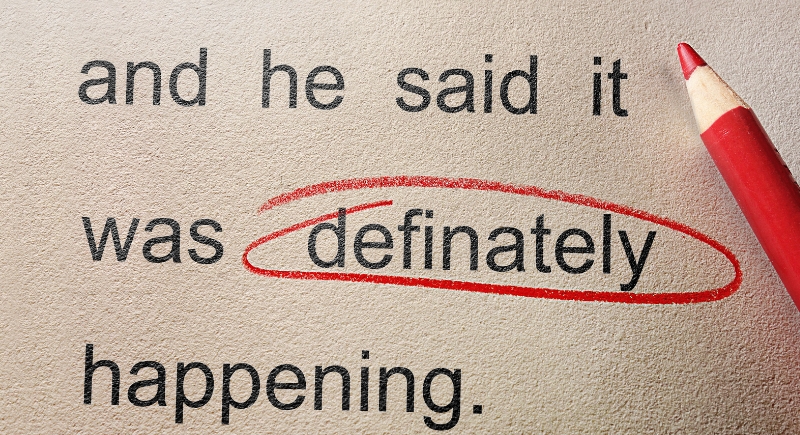
Arguments often stall because they are framed as strict either-or choices. Should money go to schools or tax cuts? Is someone entirely good or completely bad? Real situations rarely fit into neat boxes. Pointing out this kind of false choice adds nuance to the discussion and softens rigid positions. It moves the conversation away from defending sides and toward questioning whether the original framing even makes sense.
Match Energy, But Keep Your Cool

Credit: pexels
Matching someone’s emotional tone can help you stay in sync before guiding the mood down. Therapists use this in high-conflict situations. If someone’s heated, a firm tone can show you’re taking them seriously. Then lower your voice and pace gradually. They’ll likely follow.
Ask Questions That Nudge, Not Corner

Credit: Canva
Instead of refuting someone’s point directly, try asking something that steers their logic elsewhere. “What would happen if everyone believed that?” or “How do you know that’s true in most cases?” They invite reflection without triggering defensiveness. And often, people talk themselves into your point without realizing it.
Keep Specific Examples Ready

Credit: pexels
Abstractions are easy to argue with, and concrete details are harder to dismiss. Psychologists call this the “vividness effect”—we remember clear examples more than abstract logic. If someone says remote work destroys productivity, mention a company that boosted profits after going remote. The goal is to anchor your point in something relatable and challenging to dismiss.
Mirror Their Language Lightly
Credit: Getty Images
Repeating part of someone’s phrasing back to them—just a word or two—can signal attentiveness and subtly guide the tone. Sales professionals and hostage negotiators both use this. It’s reflecting the rhythm and style of their words to make your responses feel more familiar and less combative. People listen longer when they feel heard.
Frame Your Point Around Their Values

Credit: Getty Images
If the other person values efficiency, explain how your point saves time. If they’re all about tradition, describe how your idea fits into a long history. This isn’t manipulation, but just meeting people where they are. Research on motivated reasoning shows we’re more open to new ideas when they line up with our existing values.
Don’t Defend—Redirect Instead

Credit: pexels
Getting defensive makes the conversation about you. If someone questions your view, respond with something like, “Can you explain what you mean?” or “What makes you think that?” These lower the tension and give you space to think. And often, it helps the other person clarify their argument—sometimes in ways that actually support your own.