The 10 Best US Products to Battle Seasonal Affective Disorder, According to Experts
Seasonal affective disorder tends to surface when daylight declines, and routines shift. SAD affects about 5% of people in the United States and is linked to changes in light exposure, serotonin, circadian rhythms, and melatonin, all caused by shorter days. The good news is that certain products can support those systems in practical ways. Check out these 10 U.S.-available picks that experts often recommend for managing SAD symptoms during the darker months.
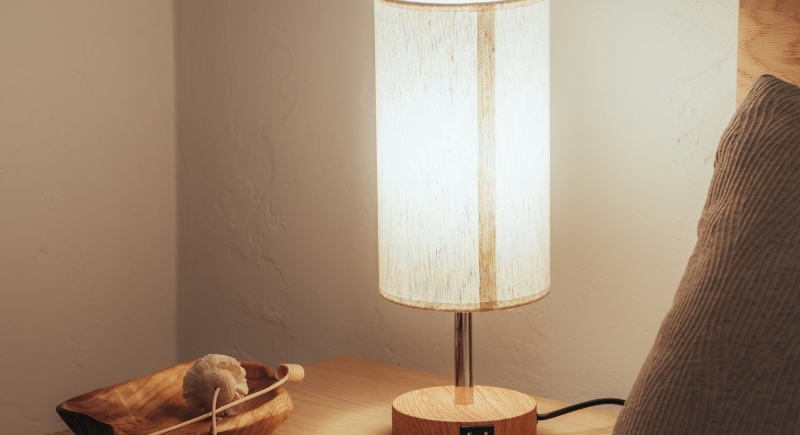
Caromolly Light Therapy Lamp
Credit: pexels
As bright light stimulates the hypothalamus, light therapy is a common clinical recommendation for SAD. This lamp delivers high-intensity light without UV exposure, which medical guidance considers safe for daily use. Morning sessions of about 30 minutes are associated with improved mood within one week for many users. Adjustable brightness helps tailor exposure to the room’s lighting.
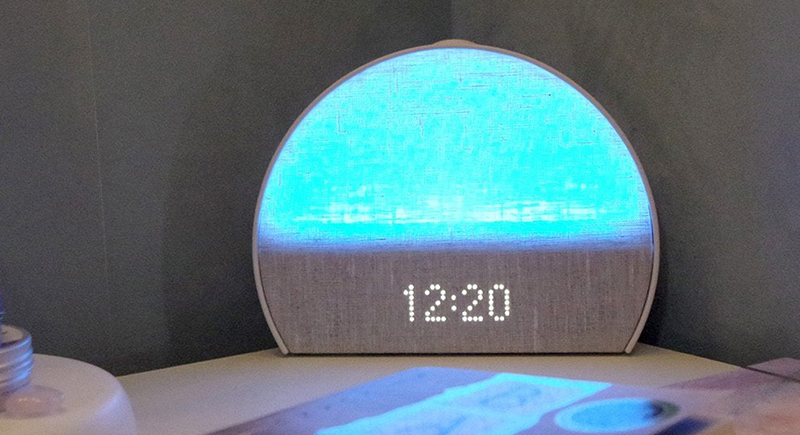
Hatch Restore 3 Sunrise Alarm Clock
Credit: Instagram
Dark winter mornings disrupt the circadian rhythm. Sunrise alarm clocks gradually increase light to mimic dawn, signaling the brain to reduce melatonin production. This model uses timed light progression and sound, which psychologists say can ease waking during seasonal darkness.
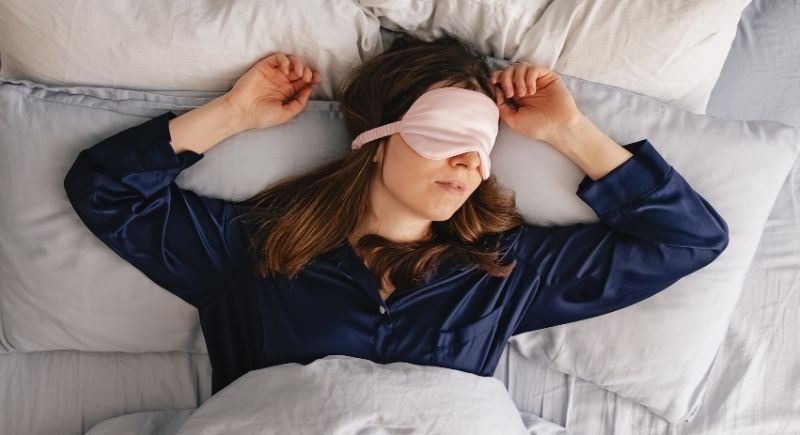
Mzoo Luxury Sleep Mask
Credit: Canva
This mask is designed to avoid pressure on the eyes, a feature sleep specialists say helps improve comfort for side and back sleepers. Sleep disruption is frequently reported among people with seasonal mood changes. Blocking ambient light supports melatonin release at night, which improves sleep quality.
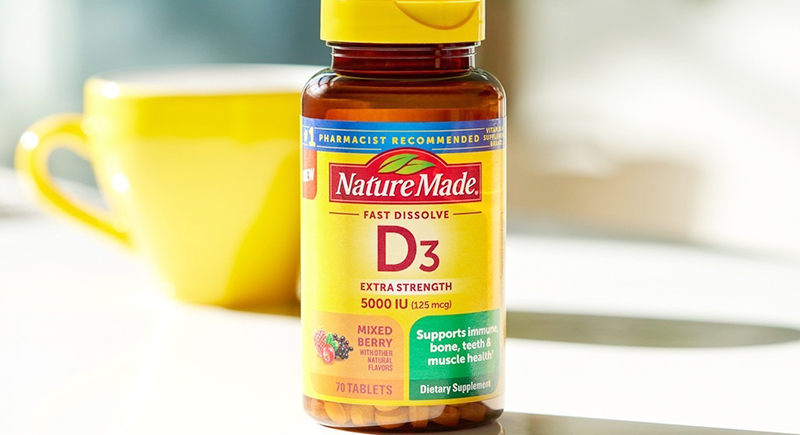
Nature Made Vitamin D3
Credit: Instagram
Health professionals have linked vitamin D deficiency with depressive symptoms in some individuals, and low vitamin D levels are common during winter due to reduced sun exposure. These supplements provide doses within the commonly recommended daily ranges for adults during the colder months. However, medical experts recommend checking levels before long-term supplementation.
Bearaby Cotton Hand-Knit Weighted Blanket

Credit: Canva
Weighted blankets apply gentle pressure that stimulates the nervous system. Research links deep pressure stimulation to reduced anxiety and improved sleep onset. This blanket is made of breathable cotton, which helps regulate body temperature overnight. Experts often suggest choosing a weight near 10% of body weight for comfort and safety.
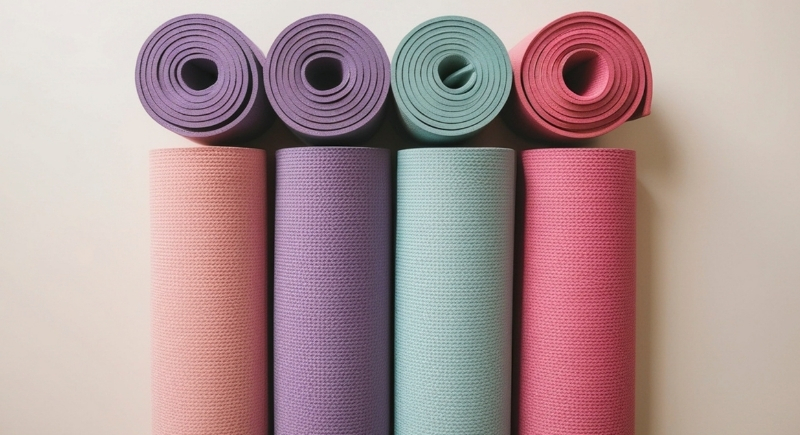
Lululemon The Mat 3mm
Credit: Canva
With consistent movement, darker seasons won’t affect your stress and energy levels much. Indoor exercise equipment is more relevant during winter when outdoor activity drops, so this mat provides cushioning that supports low-impact and strength-based workouts. Regular physical activity will surely help improve mood by releasing endorphins.
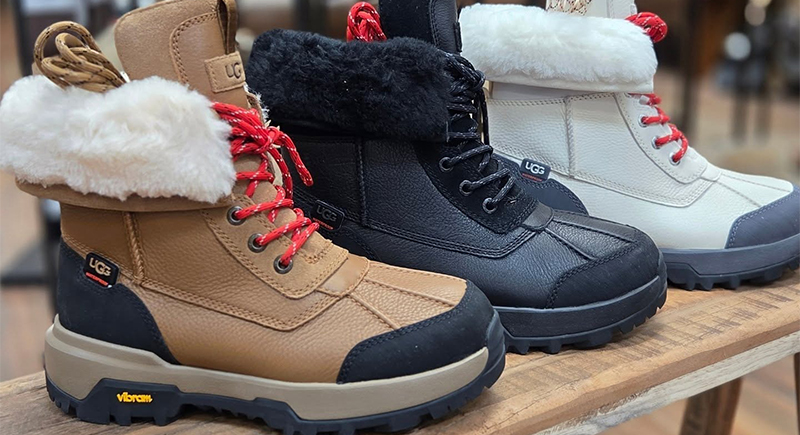
Ugg Adirondack III Boots
Credit: Instagram
Want boots designed for traction and warmth to support regular walking on icy sidewalks? This insulated footwear will help you stay active outside during winter weather. Short daytime walks increase exposure to daylight, which improves circadian alignment. There’s no denying that getting some outdoor light remains beneficial even on cold days.
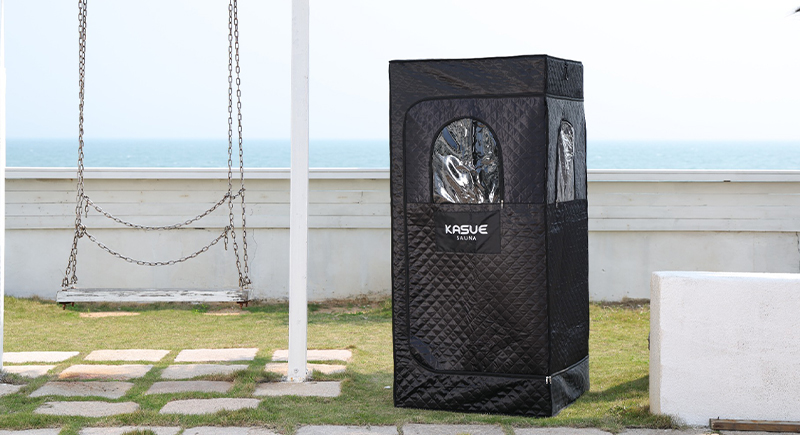
Kasue Infrared Sauna Box
Credit: Instagram
When it comes to mood regulation, heat exposure triggers the release of endorphins. Infrared saunas warm the body at lower ambient temperatures than traditional saunas. Cardiovascular specialists also link saunas with cardiovascular benefits, and compact designs make home use more accessible during the wintery days.
Netflix Subscription
Credit: Canva
It might not seem like it, but streaming platforms like Netflix offer predictable routines that can help stabilize mood. Mental health professionals often recommend planned rest and comfort activities during seasonal low periods, and light entertainment provides distraction and emotional relief during evenings with limited daylight.
Lekfit Rebounder
Credit: Getty Images
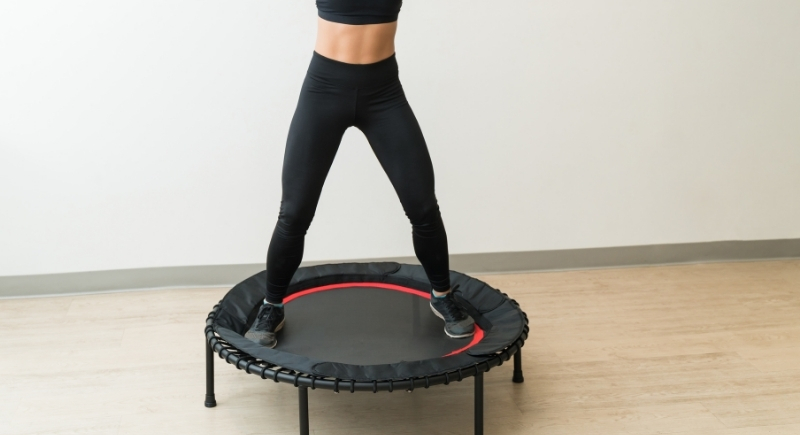
Ten-minute sessions fit easily into indoor routines during winter. Short bursts of physical activity are associated with improved mood. One thing to do is rebounding, which increases heart rate with low joint impact. There’s also an association between trampoline-style exercise and reduced anxiety asd well as depressive symptoms.