Facts About Prison Life That Most People Never Hear About
Life behind bars rarely ever looks like the dramatic scenes shown in movies and TV shows. Prison life in the United States runs on systems most people never see, including tight schedules and strict rules, within buildings that were never designed for today’s population. Reports released in recent years reveal the everyday realities of prison life today.
Meals Are Extremely Cheap To Produce
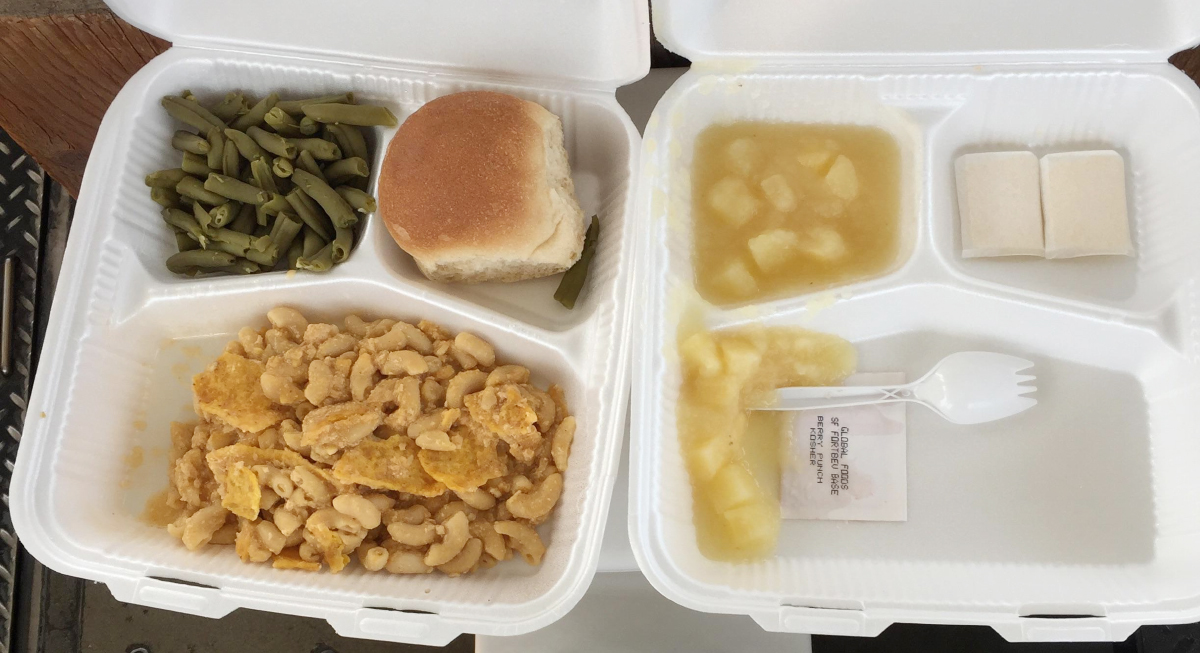
Credit: Reddit
If you’ve ever wondered what a $3 daily food budget looks like, prison meals answer that fast. Many U.S. facilities spend under $3 per inmate per day, which means trays filled with bread, rice, pasta, and other low-cost fillers. Protein and fresh produce are limited, so nutrition suffers. Over time, inmates often turn to commissary snacks just to feel full.
Solitary Confinement Can Last Years
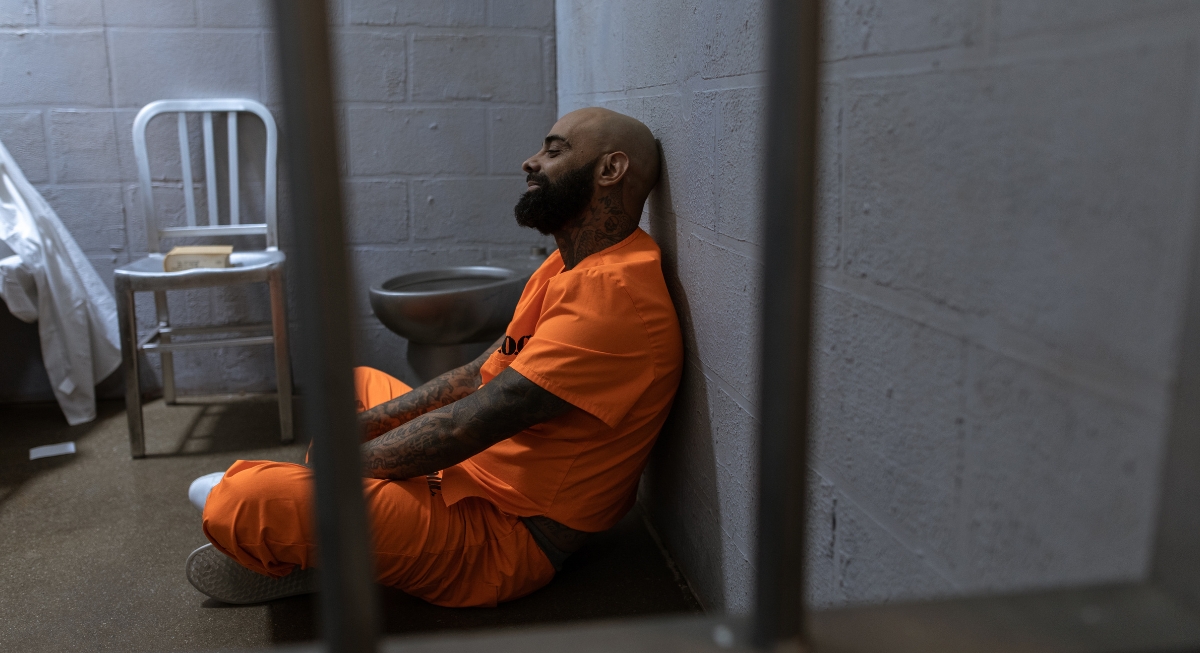
Credit: pexels
Can you see yourself living in a room the size of a parking space for 23 hours a day? That’s solitary confinement for you. While people assume it’s short-term, some inmates stay there for months or even years. The cell usually holds just a bed, a toilet, and a slot for food.
Homemade Alcohol Exists In Many Prisons

Credit: Getty Images
Where there’s restriction, there’s creativity. In prison, that creativity results in pruno, a homemade alcoholic beverage made from fruit, sugar, and bread. It ferments in plastic bags that are placed discreetly in hidden spots. The process is risky, and contamination can make people sick, but it still happens regularly. Even in controlled environments, people always find ways to bend the rules.
Prison Gangs Control Daily Life

Credit: pexels
There’s an unofficial system running in parallel to the official rules. Gangs often dictate who uses certain phones, where people sit, and even when someone can shower. Inmates quickly learn these unwritten rules to avoid conflict. Staff monitor activity, but influence still spreads through daily routines. In many places, knowing the system matters just as much as following the rules.
Ramen Noodles Quietly Became Currency
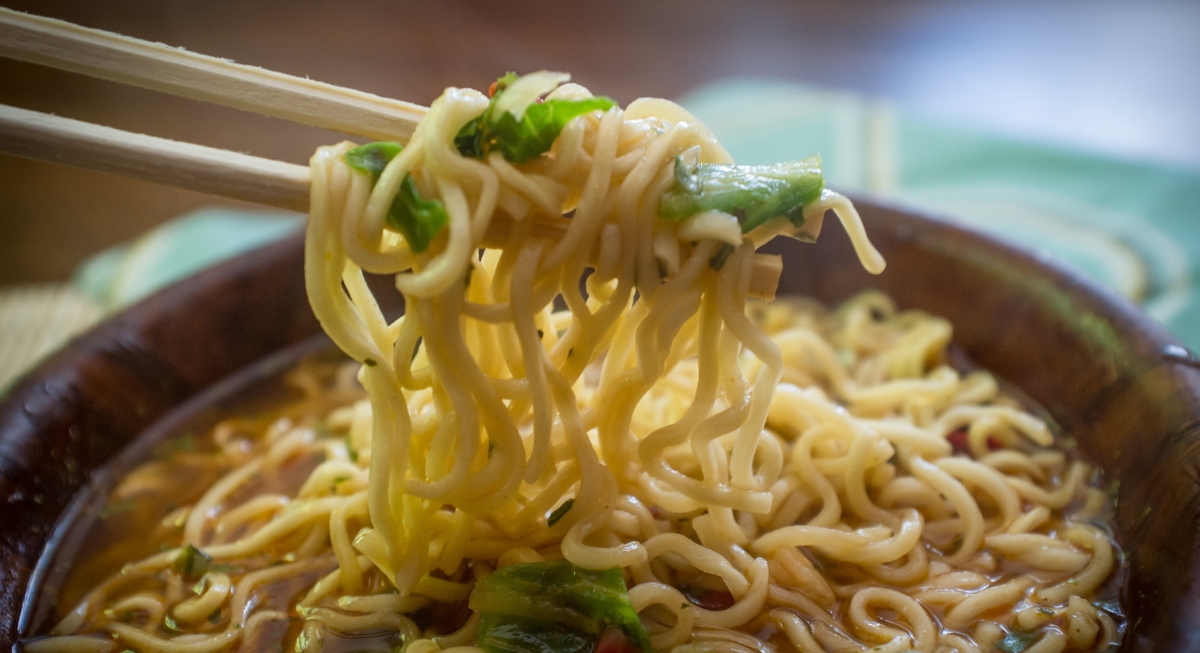
Credit: Getty Images
Money doesn’t move freely inside prison, so basic items, like ramen noodles, take its place. They’re cheap, easy to store, and always in demand; so, they’ve become a go-to currency. After cigarettes were banned, ramen filled the gap. A few packs can be traded for services, favors, or other goods. Value is defined by scarcity, and ramen checks every box.
Basic Supplies Often Cost Money
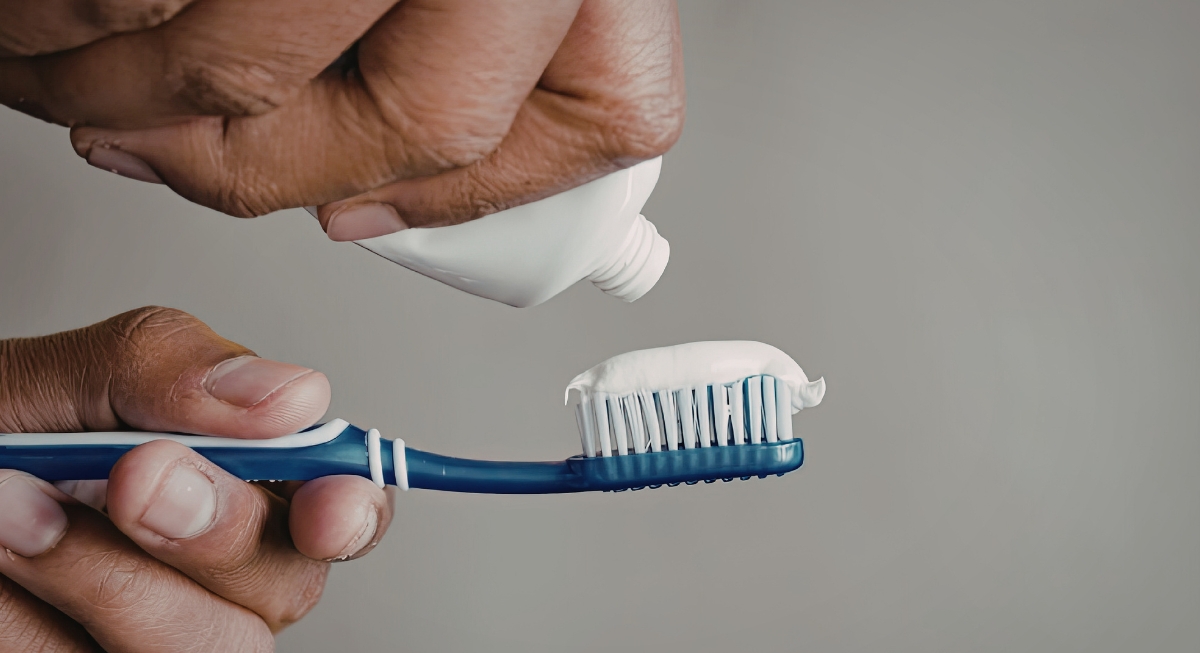
Credit: Canva
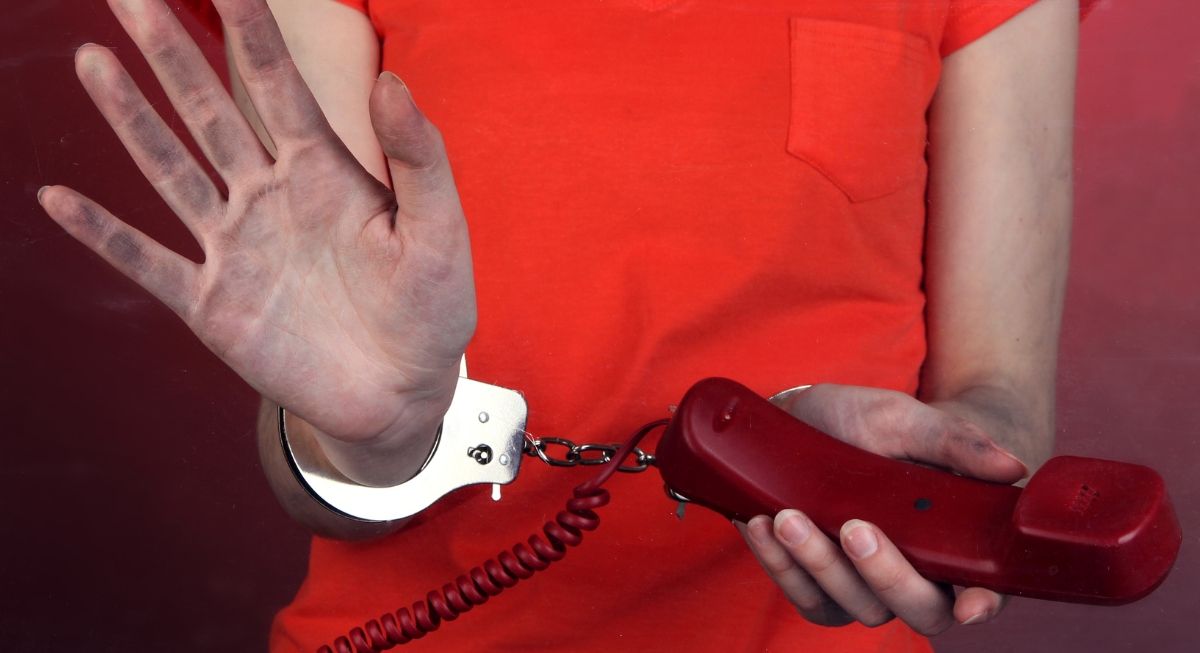
You might expect essentials to be provided, but that’s not always the case. Soap, toothpaste, snacks, and even writing materials often come from the commissary, and they’re not free. A bar of soap can cost $1 to $3, while a small tube of toothpaste costs $2 to $4. Phone calls usually cost money, too, with a 15-minute phone call running anywhere from $1 to over $5, depending on the facility.
Families Financially Support Daily Survival
Credit: Canva
Behind every inmate account is often a family footing the bill. Money sent from home covers food, hygiene items, and communication. Phone calls and messaging services can get expensive, too. This setup shifts part of the burden onto families, many of whom are already struggling.
Assault Is A Major Safety Issue
Credit: pexels
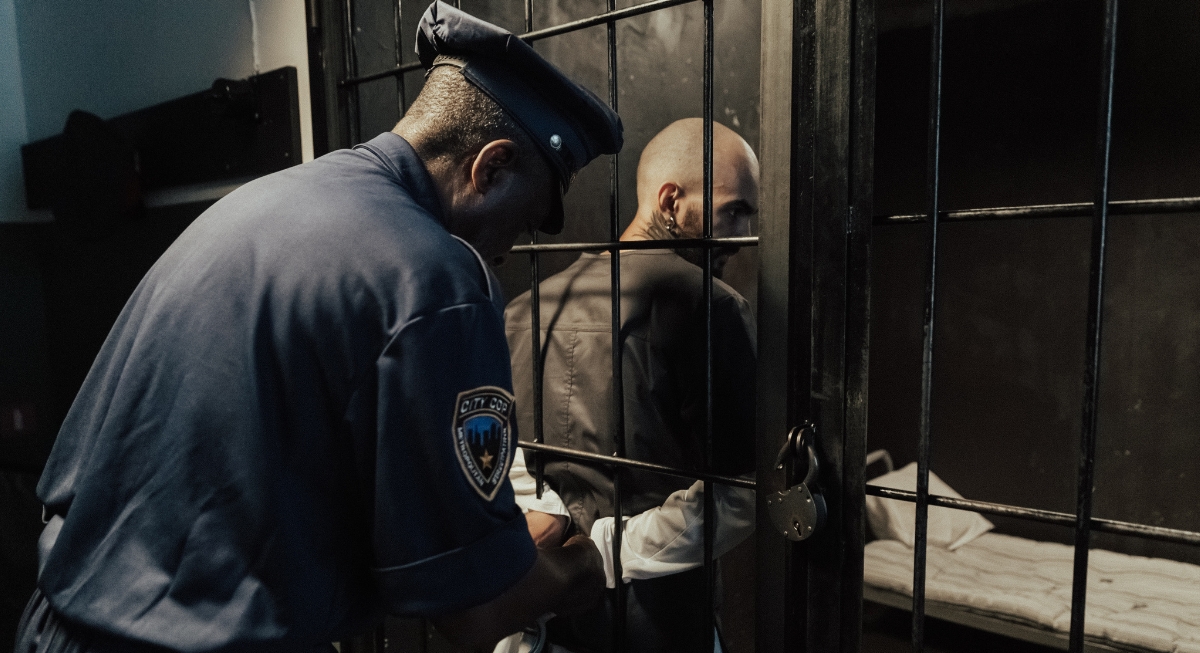
Here’s a problem that doesn’t stay hidden, even when people try to keep it quiet. Many cases go unreported due to fear or lack of trust. Studies estimate that over 200,000 incidents of victimization occur annually in U.S. prisons and jails. Reports also include incidents involving staff.
Everyday Life Follows Strict Schedules

Credit: pexels
There’s no such thing as “whenever you feel like it.” Every part of the day is scheduled, from meals to movement to recreation. Inmates follow set times and often need permission just to move between areas. Housing units remain under constant surveillance, with little privacy.