The Useful Skills That Technology Has Made Completely Obsolete
Technology handles so many parts of daily life that many once-important skills don’t show up as often anymore. People used to rely on these abilities every day, but phones, apps, and digital tools now do most of the work. Here’s a look at a few skills that have faded as technology has taken the lead.
Writing in Cursive

Credit: Getty Images
Cursive used to be a standard part of school lessons, but many classrooms no longer teach it. More than 20 U.S. states have dropped the requirement, and many Gen Z students never learned to read or write it at all. With typing and texting now the main ways people communicate, fluent cursive has become uncommon.
Memorizing Phone Numbers

Credit: Getty Images
In the days before smartphones, people were expected to memorize a wide variety of phone numbers, whether it was their own, their friends’, or their family members’. This was a crucial skill that helped people stay connected. However, with the rise of smartphones and digital contact lists, the need to memorize phone numbers has all but disappeared.
Using a Physical Map

Credit: pexels
Paper map reading is fading fast. Nearly 90 percent of people now depend on their phones for directions, so far fewer learn how to navigate with a physical map. The ability to orient yourself by unfolding a map has largely been replaced by the quick ease of digital navigation.
Driving Manual Cars

Credit: Canva
Manual transmission cars were the norm, especially for driving enthusiasts. In 2000, over 86% of cars sold were manual, but today that figure is under 25%. As automatic cars continue to dominate the market, it is likely that future generations will never learn to drive a manual car. In fact, many young drivers today have never even sat in the driver’s seat of a manual transmission vehicle, let alone learned how to shift gears themselves.
Mental Math

Credit: Canva
Doing quick calculations in your head was once a regular part of daily life. Now that calculators and smartphones are always within reach, most people turn to their devices instead. The habit of solving basic math mentally has faded, and many no longer practice it because digital tools handle the work so easily.
Using Radios
Credit: Getty Images
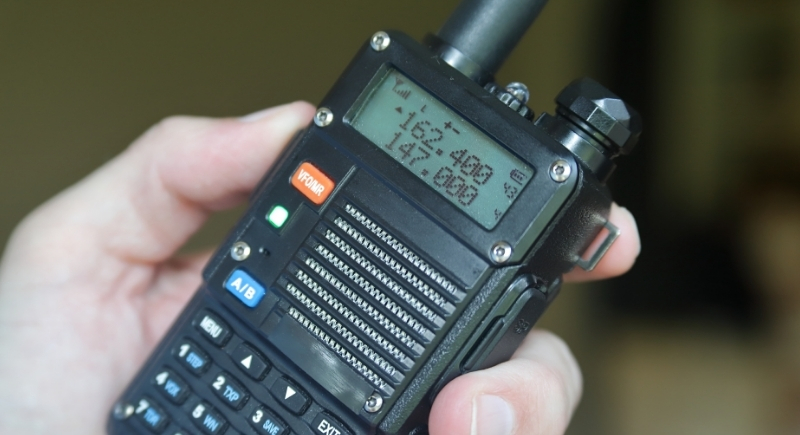
Traditional radio use has dropped sharply. Streaming apps and smart devices now handle most music and news, and analog radios account for less than five percent of new audio products sold today. The old habit of tuning a station by ear and adjusting a dial has mostly disappeared as digital listening has taken over.
Film Photography

Credit: Getty Images
In the past, film photography required a particular set of skills, from loading the film into a camera to developing it in a darkroom. Sadly, film photography has largely disappeared, thanks to the rise of digital cameras. Film sales have dropped, and few people know how to develop or even load a roll of film anymore. What used to require patience, precision, and technical knowledge can now be accomplished with a single click on a digital camera.
Writing Letters

Credit: Canva
Handwritten letters have become a rarity in today’s world. With the rise of emails, text messages, and social media, people no longer write long, thoughtful letters by hand. Even “love letters” have been replaced by quick, typed messages, often accompanied by emojis. The personal touch that had made handwritten correspondence special has been lost in the digital age.
Using Landline Phones

Credit: Getty Images
In 2004, nearly 90% of households had a landline phone. Today, that number has dropped to under 25%. Landlines, once an essential part of every home, are quickly becoming a thing of the past, as mobile phones have taken over. In fact, many people today don’t even know how to use a landline, as they’ve grown up with the constant presence of cell phones. Future generations may never experience the familiar “click” of the receiver being placed down when a phone call ends.
Printed Newspapers

Credit: Getty Images
Printed newspapers have largely slipped out of daily routines as people turn to digital news sources. Apps, websites, and social media now deliver updates faster and more conveniently, making physical papers far less common. Many major publications, including The New York Times and The Washington Post, have shifted most of their focus to digital platforms and scaled back their print editions. The once-familiar habit of reading the morning paper has been replaced by tapping a screen.