What Your Eating Habits Actually Say About Your Personality
Ever caught yourself stress-eating chips at midnight? Turns out, your snacking patterns reveal way more than you think. Scientists have spent years studying the psychology behind our food choices, and the results are fascinating. For example, a craving for spicy food or your tendency to finish every last bite on your plate could be due to stress, among other factors. Here are 10 eating habits that psychologists say can expose hidden aspects of your personality.
Crunching on Something Hard
Credit: Canva
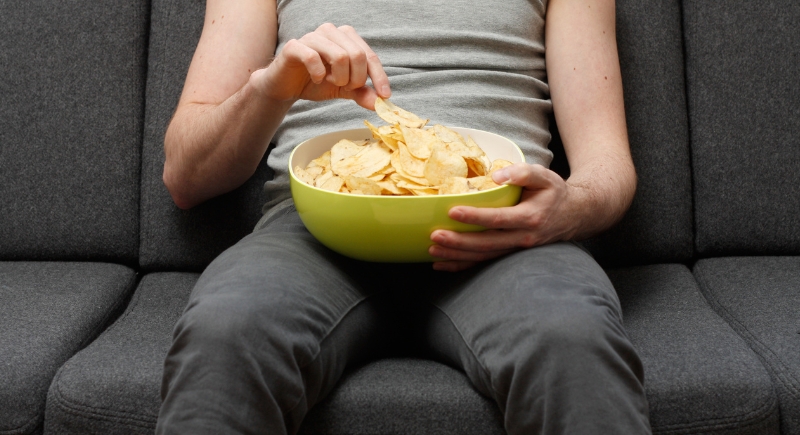
For some people, chips, carrots, pretzels, and similar noisy foods dominate their snack drawer. Crunchy foods appeal to many people because of their strong sensory feedback. Research suggests that repetitive sensory actions, such as chewing, can help some individuals feel calmer or more focused. Scientists continue to study whether food textures relate to broader behavioral tendencies, but current evidence suggests that sensory comfort is the primary factor.
Late-Night Snacking

Credit: Getty Images
An 11 p.m. fridge raid sometimes doesn’t mean hunger. Loneliness and boredom can contribute to some episodes of nocturnal eating, alongside hunger and other factors. During quiet evening hours, feelings of isolation can intensify, and food becomes a companion when human connection feels distant.
Spicy Food
Credit: Canva
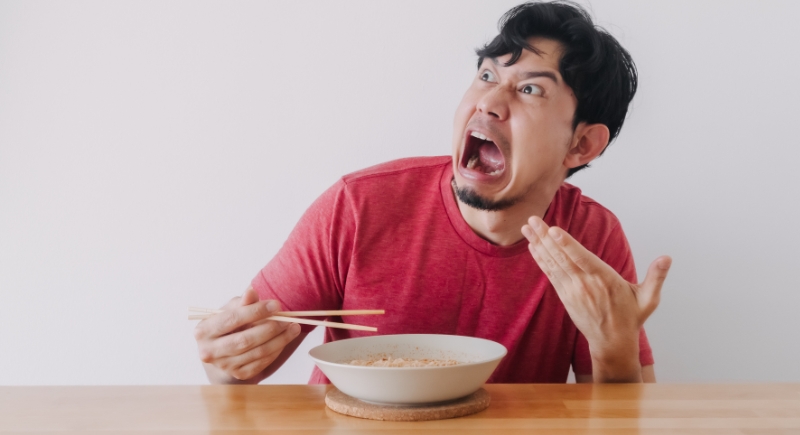
Hot sauce enthusiasts and jalapeño lovers tend to be sensation-seekers who crave novelty and stronger experiences. The capsaicin burn triggers an endorphin rush that certain personality types find rewarding. If you douse everything in sriracha, you probably also enjoy roller coasters, trying new activities, and pushing boundaries in ways that make cautious people nervous. Bland food bores you the same way a predictable routine does.
Always Cleaning Your Plate

Credit: Canva
Childhood food rules and experiences with food availability can influence later eating habits–such as responding to fullness cues–for some people, although researchers consider this just one of several possible factors.
Warm and Cozy Foods Being a Go-To

Credit: Getty Images
For some people, soup, oatmeal, and hot casseroles fill their stomachs and trigger psychological associations with safety from earlier life experiences. Emotional eaters seeking comfort and security gravitate toward these meals because warmth reminds people of being cared for.
Eating the Same Meal Repeatedly
Credit: Canva
Ordering identical lunches every day might seem boring to outsiders, but this pattern could signal more. Psychologically, repeating familiar choices reduces daily decision fatigue and simplifies routines. The mental load reduction from sticking to regular choices creates a sense of order that variety doesn’t really provide.
Skipping Breakfast Can Lead to Wild Choices Later
Credit: Canva
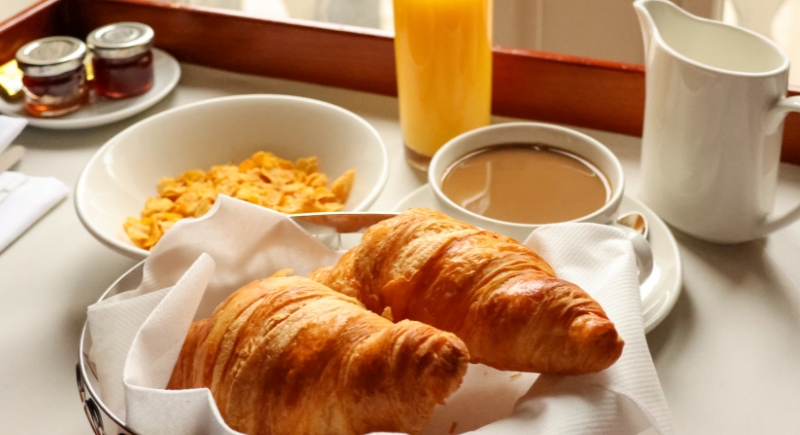
Skipping breakfast may influence blood sugar regulation and appetite later in the day, potentially affecting food choices for some people. Glucose fuels the brain’s executive function, so running low means running on desperation.
You’re a Notoriously Slow Eater
Credit: Canva
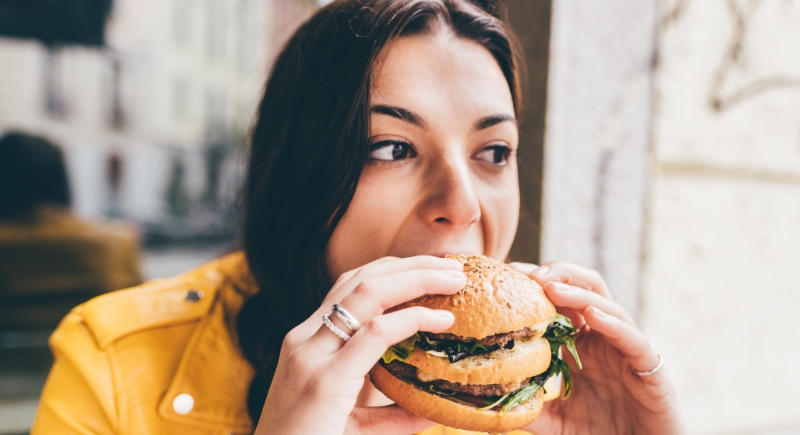
Eating speed varies widely between individuals and is influenced by schedules, environment, hunger level, and learned habits. Slower eating is commonly discussed in mindful-eating research because it allows people to notice taste and fullness cues more easily. Faster eating, meanwhile, is often linked to time pressure or distraction. Some researchers link mindful eating with better emotional regulation across multiple psychological measures.
Eating While Scrolling or Watching TV

Credit: Canva
Distracted eating weakens your memory of the meal, which sounds harmless until you realize this directly affects how soon you feel hungry again. Studies have shown that people who eat while watching TV or scrolling through their phones consume more food and seek snacks sooner afterward because their brains don’t fully register eating.
Sweet Cravings Hit During Emotional Lows
Credit: Canva
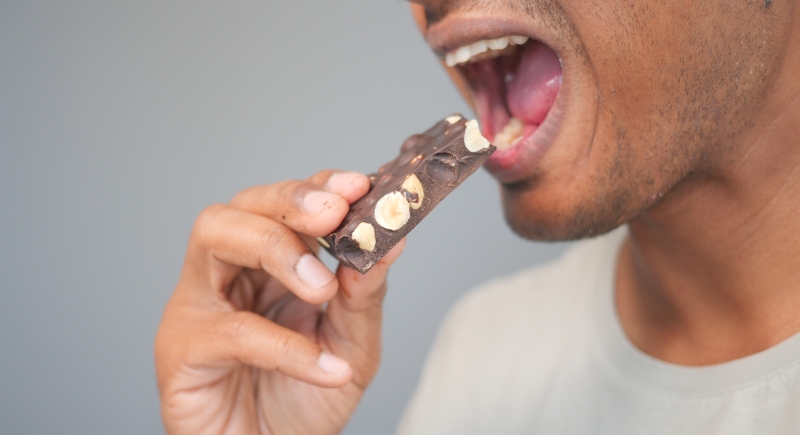
Bad day at work? Breakup? Stressful conversation with a parent? Notice how dessert suddenly becomes non-negotiable during these moments. Sugary foods can produce short-term pleasure responses through reward pathways, and carbohydrates can increase fatigue or reduce alertness. People who rely on sweets as their primary emotional coping tool end up trapped in a cycle where the solution perpetuates the problem.