The Craziest Things People Have Done for Love Throughout History
Love does strange things to the human brain. When people fall in love, chemicals such as dopamine, oxytocin, and adrenaline surge through the body to strengthen attachment and heighten emotions. Researchers often compare the brain activity of someone newly in love to patterns linked with reward and motivation. Across history, those powerful feelings have driven people to take remarkable risks and make extraordinary gestures. Some of those stories have survived for centuries.
Taj Mahal

Credit: Canva
If you want proof that heartbreak can build wonders, look at the Taj Mahal. Its construction began in 1632, after Mumtaz Mahal died during childbirth, and Emperor Shah Jahan ordered it built in her honor. The project lasted about 22 years and involved thousands of artisans. Today, the white marble mausoleum in Agra still stands as one of history’s most breathtaking tributes.
Japanese Moss Phlox Garden

Credit: Wikimedia Commons
Instead of buying flowers, this husband planted an entire landscape. In rural Japan, after his wife lost her vision, a farmer covered his property with thousands of pink moss phlox called shibazakura. The blooms return every spring with a noticeable fragrance. Years of planting have transformed the land into a colorful field.
6,000 Mountain Steps

Credit: pixabay
This love story in China involved sweat and stone dust. One man spent roughly two years carving about 6,000 steps into a steep mountainside. He wanted his aging wife to climb more safely as they grew older together. Using simple tools and steady effort, he reshaped the dangerous path into something manageable.
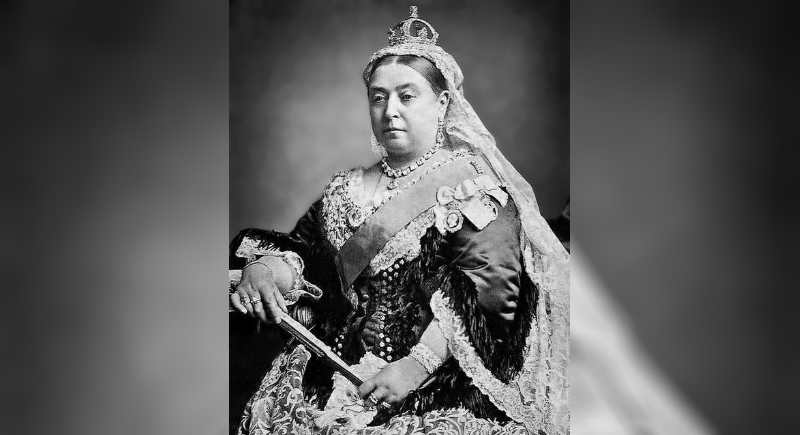
Queen Victoria
Credit: Wikimedia Commons
When Prince Albert died in 1861, Queen Victoria wore black for the remaining 40 years of her life and kept his rooms exactly as he left them. Fresh clothes were laid out daily until her death in 1901. Her extended mourning influenced British court customs and fashion for decades afterward.
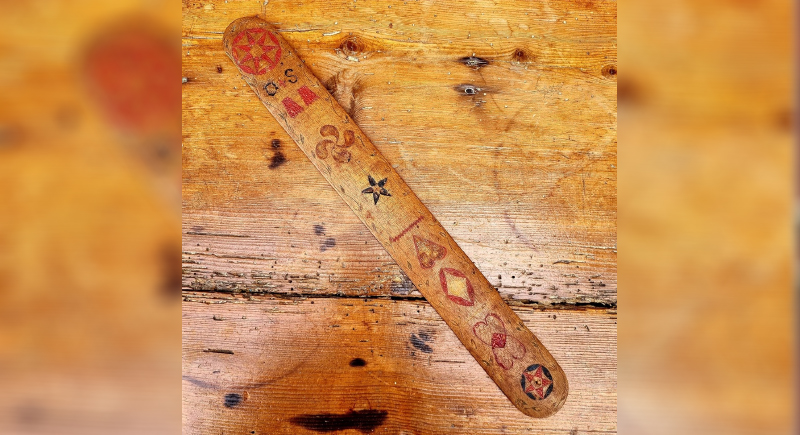
Stay Busks
Credit: ebay
In the 18th century, women’s corsets, called stays, often contained a removable flat strip known as a busk that helped keep the garment rigid. These busks were made from materials such as whale bone, wood, or metal. Suitors sometimes carved initials, dates, or small messages into them before giving them as gifts. The engraved piece would then be worn inside the corset as a private token of affection.
The 90-Year-Old Reader

Credit: Canva
Learning to read at 90 sounds ambitious, but this man had a reason. After nearly 70 years of marriage in Brazil, he decided he wanted to write his own letters to his wife. His goal was to put his feelings into words she could hold and reread.
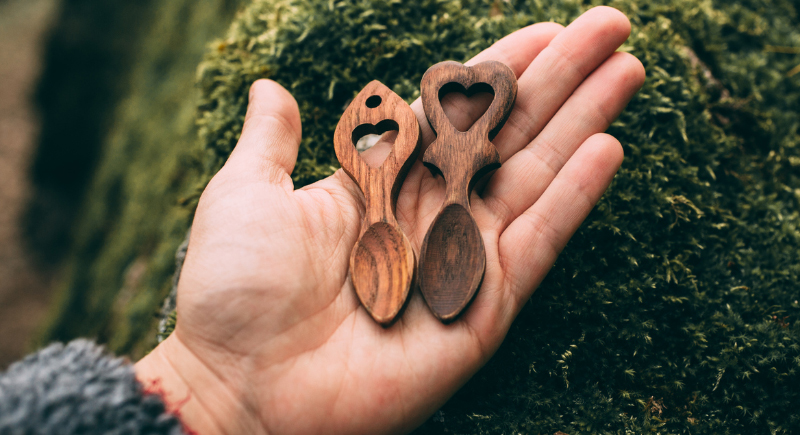
Welsh Love Spoons
Credit: iStockphoto
In Wales, men have carved decorative love spoons as romantic gifts since at least the 17th century. These wooden spoons were given to express affection and demonstrate craftsmanship. Early designs often included simple carved hearts, while later examples featured detailed elements such as chains and wooden balls. More intricate designs required greater time and skill to make the spoon a visible sign of effort and devotion.
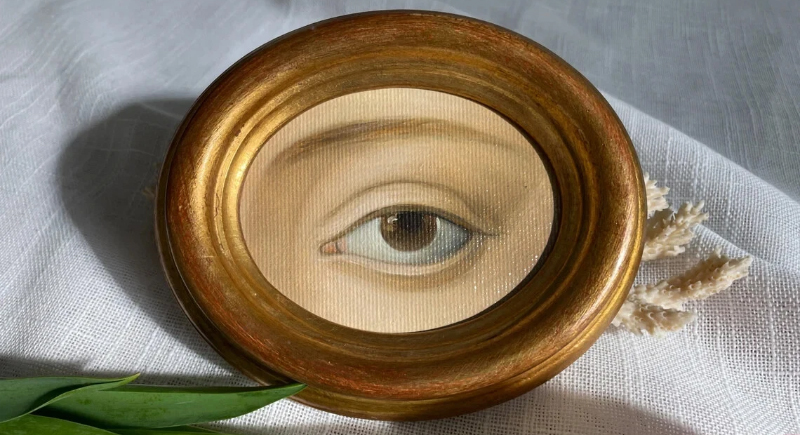
Lovers’ Eyes
Credit: ebay
Couples found another way to carry each other close before photography was common. In the late 18th century, miniature portraits showing only one eye became popular keepsakes. The trend is often linked to the future King George IV and Maria Fitzherbert. Set into lockets or rings, these tiny paintings were recognizable only to those truly in love.
Convict Pennies
Credit: Wikimedia Commons
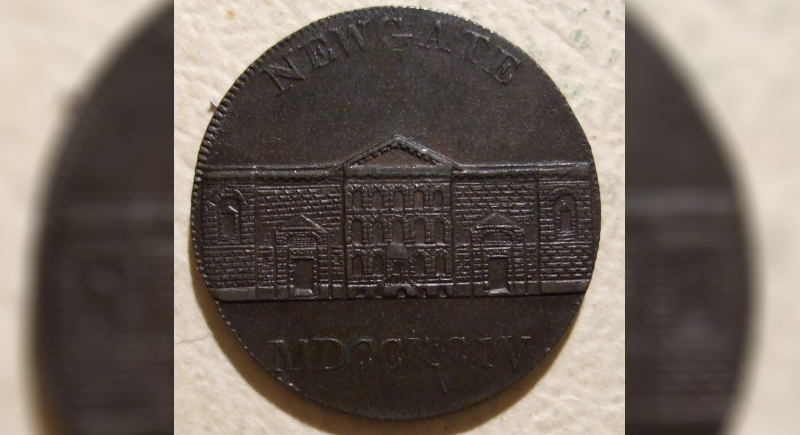
Prisoners sentenced to transportation in 18th-century Britain flattened pennies and engraved farewell messages into the metal. These tokens, often called Newgate tokens, were given to loved ones before departure to distant colonies. One surviving example reads, “When on this piece you cast an eye, think on the man that is not nigh.”
Hair Jewelry
Credit: Smithsonian Magazine
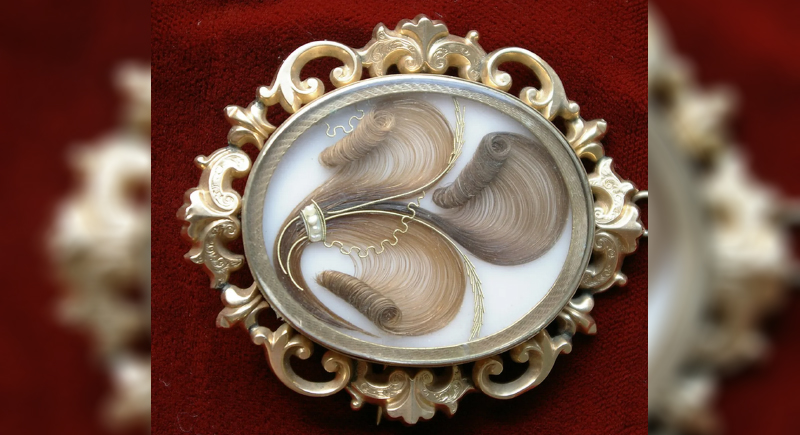
As for 19th-century Britain, strands of hair became cherished keepsakes. Lovers exchanged bracelets, rings, and pendants woven from clipped locks, guided by detailed pattern books. Even Queen Victoria participated in exchanging hair mementos. The jewelry literally contained part of the person it represented.