People Are Heating Their Houses With Bitcoin Mining and Getting Paid for It
Energy costs keep climbing across large parts of the United States, and home heating often takes the biggest hit during winter months. At the same time, global bitcoin mining burns massive electricity and releases enormous heat as a side effect.
Analysts estimate mining creates roughly 100 terawatt hours of heat each year, enough to heat a country the size of Finland. This has pushed engineers, homeowners, and businesses toward a strange question that feels risky, slightly controversial, and potentially profitable at the same time.
How Computing Turns Electricity Into Usable Heat
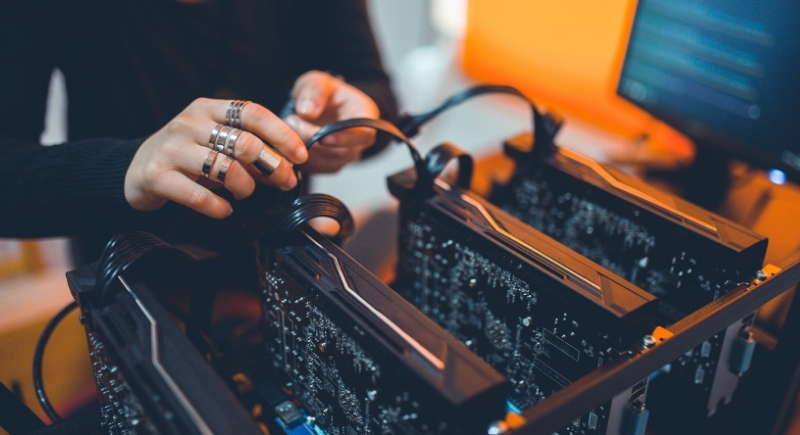
Image via Getty Images/Kosamtu
Bitcoin mining relies on specialized machines solving complex math problems to validate transactions. That process eats electricity and releases heat almost equal to total power consumed. In simple terms, one unit of electricity going into a miner becomes one unit of heat coming out.
Older home setups used machines like Bitmain S9 units pulling about 1,400 watts per hour, similar to a space heater. Early hobby miners noticed rooms heated quickly during operation. That accidental discovery planted the seed for a new idea: capture that heat and put it to work.
Modern products now combine mining hardware with home heating designs. Some retail devices sell near $900 and function as both heater and mining unit. In many cases, heat output rivals small electric heaters, while mining can generate small crypto payouts that offset power costs.
The People Already Doing This At Home
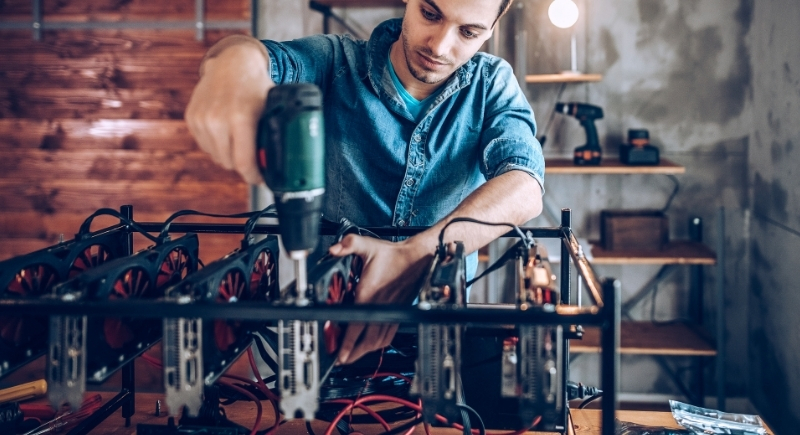
Image via Getty Images/eclipse_images
Home experiments started years ago. One North Carolina miner heated a 1,650 square foot house using several bitcoin and Ethereum rigs. At one point, machines generated about $60 daily while electricity cost roughly $6 during peak crypto pricing cycles. Profit swings still depend heavily on coin value and local power rates.
Electric bills often rise compared to traditional heating alone, yet mining payouts can balance part of that cost. That distinction has led many enthusiasts to describe the system as heating that partially offsets rather than free heat.
Mining hardware also changed dramatically, as ten years ago, home setups could compete more easily. Current mining relies on specialized chips built for extreme speed, which makes large industrial farms far more competitive. This explains why most experts view home mining as a niche strategy instead of a universal solution.
Small Businesses And Towns Are Testing The Idea

Image via Getty Images/leightrail
The concept moved beyond basements and garages into commercial use. In Idaho, pilot programs used mining heat to warm car wash bays and industrial water tanks holding thousands of gallons. One business reportedly spent about $25 daily on heating before switching to mining heat systems that generated crypto revenue while providing warmth.
The key technical rule is simple. Heat cannot travel long distances efficiently, so computing equipment must be placed near the areas that need heat. That logic drives experiments placing miners inside buildings, industrial parks, and even agricultural facilities such as greenhouses.
Cities Are Now Getting Heated With Crypto Waste Heat
Finland pushed the idea much further. Some district heating networks there circulate water through bitcoin mining systems, heating it to about 122 to 172 degrees Fahrenheit. That hot water then flows through underground heating pipes already serving entire communities.
Projects tied to this model currently help heat homes serving roughly 80,000 residents. Early project data suggests greenhouse gas reductions equal to the emissions from hundreds of American homes annually. Certain systems also cut nearly 5,000 tons of emissions during early operating years by reducing peat and biomass burning.
The business model attracts attention because companies earn in two ways: mining bitcoin and selling heat services. That dual revenue approach protects operators if crypto prices fall while still delivering heating income.
Electric heat pumps still beat mining heat in efficiency. Heat pumps can produce multiple units of heat per unit of electricity, while mining produces roughly one unit of heat per unit of electricity. Still, one idea keeps driving research forward. If mining already exists, capturing waste heat improves overall energy use. That concept continues pushing engineers, cities, and investors to keep testing systems that blend digital currency production with physical heating infrastructure.