This Woman Photographed Her Parents Waving Goodbye for 27 Years, and the Ending Is Devastating
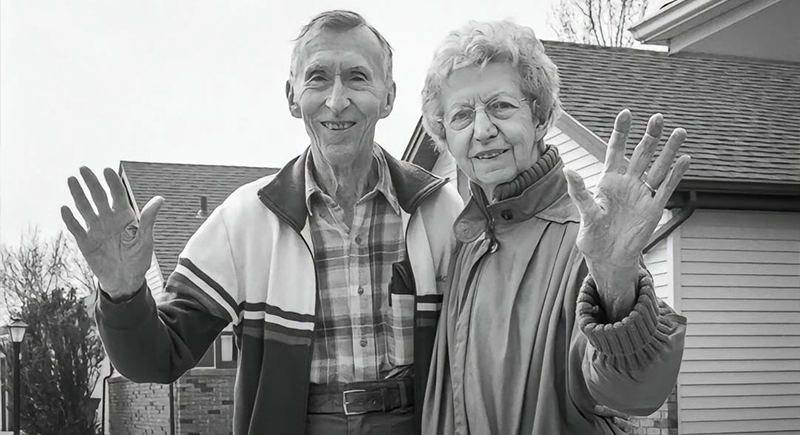
In the early 1990s, Deanna Dikeman began taking a photograph each time she left her parents’ house. She didn’t frame it as a project or a statement. It was simply a way to cope with the moment of driving away. Over the years, those images accumulated, which turned a private habit into a long visual record.
The Ritual Begins
Credit: Instagram
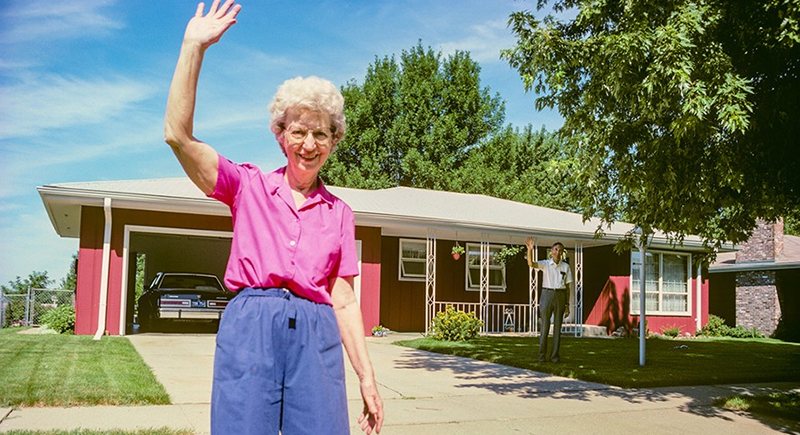
In 1991, after visiting her parents’ home in Sioux City, Iowa, Dikeman lifted her camera and took a quick photo through the car window. Her parents stood in the driveway, waving as she drove off. The photograph helped ease the sadness of leaving. The next visit, she did it again, and slowly the ritual became a natural part of her routine.
A Project She Never Planned
Credit: Instagram
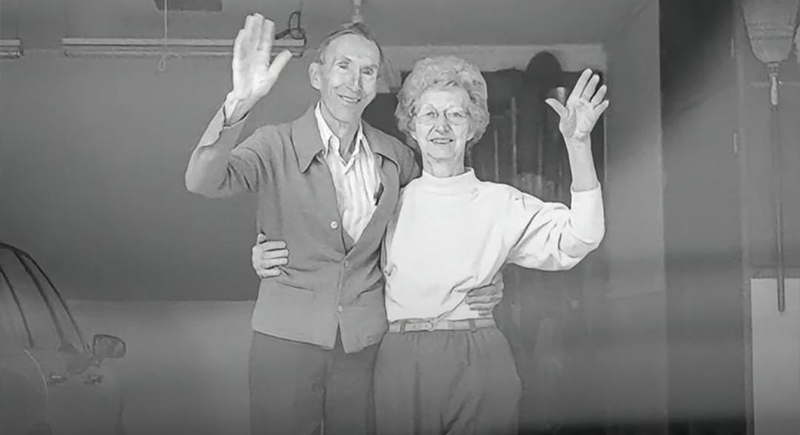
The images eventually became part of Dikeman’s larger family archive, Relative Moments, which she began in 1986. At first, the driveway photos didn’t stand out. They sat alongside holidays, meals, and everyday scenes. Only years later did the repetition become noticeable, revealing changes that no single image could capture.
The Driveway as Stage
Credit: Instagram
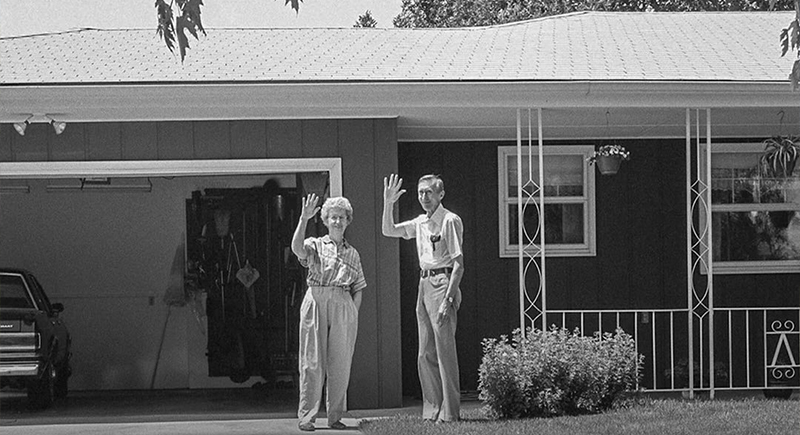
Every photograph was taken from the same position: inside the car, with the engine running, and the camera aimed outward. The setting barely shifted. Dikeman never directed her parents or asked them to pose for her. That consistency allowed small changes to emerge gradually, in posture, distance, and the effort required to raise a hand.
When One Wave Disappeared
Credit: Instagram
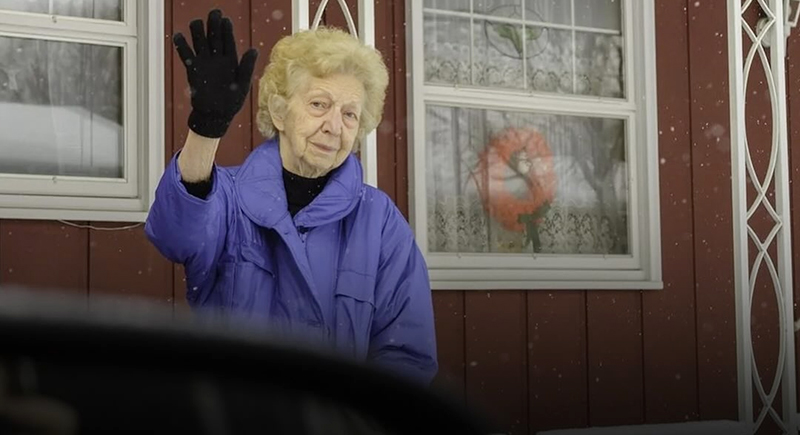
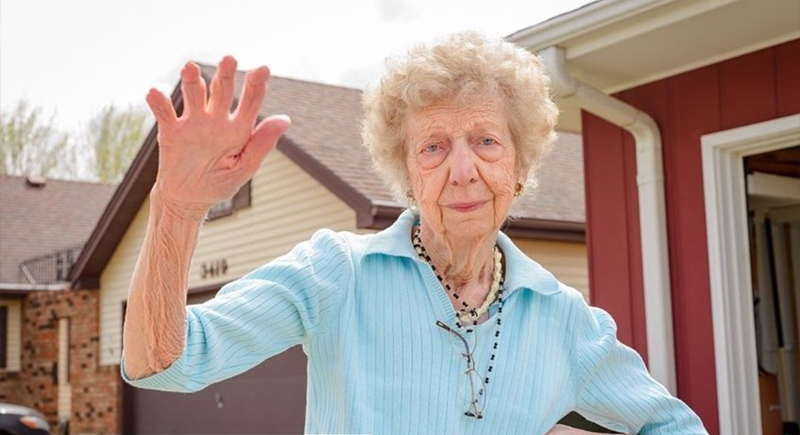
In 2009, the pattern broke. One image shows only Dikeman’s mother standing in the driveway. Her father had died just days after his 91st birthday. Nothing else in the frame explained the change. The absence spoke for itself, and viewers noticed immediately without needing context or captions.
A Mother Keeps Waving
Credit: Instagram
After her husband’s death, Dikeman’s mother continued the ritual alone. She stood in the same spot, lifted her hand, and waited for the car to pull away. Over time, her movements slowed. The photographs recorded those changes without interruption, allowing the gesture to remain steady even as everything around it shifted.
Assisted Living Changed the Frame
Credit: Instagram
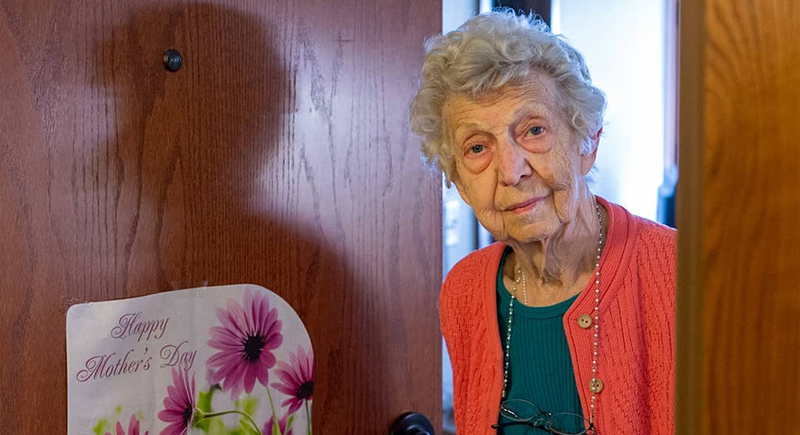
By 2017, Dikeman’s mother had moved into assisted living, and the familiar driveway was no longer available. For several months, the photographs were taken from the doorway of an apartment instead. The shift was quiet but unmistakable as the open space disappeared, replaced by walls and narrower sightlines, altering the ritual without ending it.
The Final Photograph

Credit: Instagram
The last image was taken after her mother’s funeral, which occurred later that year. Dikeman drove away and raised the camera one final time. No one stood in the frame. The driveway was empty. After decades of repetition, the absence needed no explanation. The photograph closed the series simply by showing that the ritual had reached its natural end.
The Series Finds an Audience
Credit: Instagram
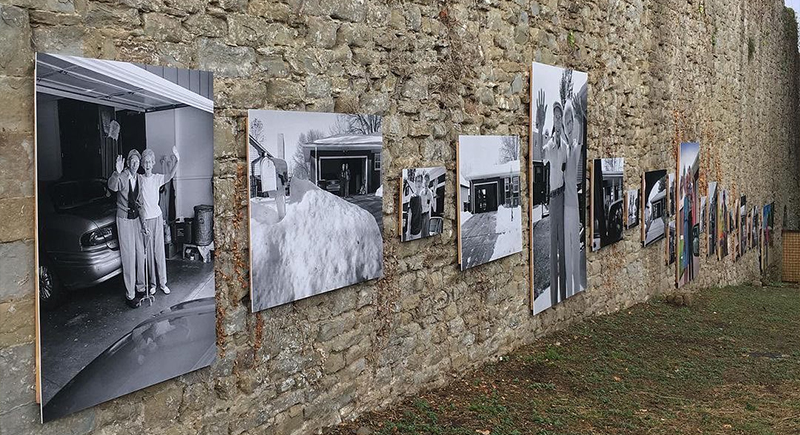
For years, the photographs remained largely personal. That changed when the series began circulating online, often shared in chronological order. Viewers scrolled through decades in minutes, watching faces age and spaces empty. Many recognized their own goodbyes in the images, responding less to the photography itself than to the familiarity of the moment.
Public Attention Without Sentimentality
Credit: Instagram
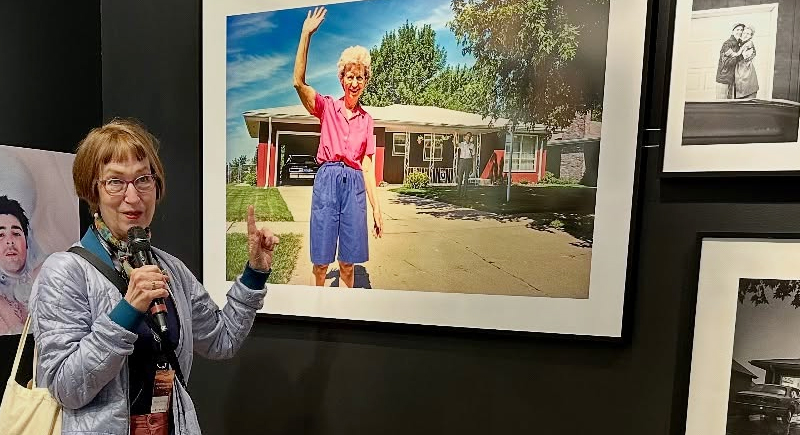
As interest grew, Dikeman spoke about the work in interviews and exhibitions, including a 2018 show in Kansas City. She avoided dramatic framing and resisted summarizing its meaning. Instead, she described the act of taking the photographs and left the interpretation to viewers. That restraint mirrored the series itself, keeping the focus on what the images show.
Why the Story Endures
Credit: Instagram
Leaving and Waving remains powerful because it documents something ordinary without trying to elevate it. The photographs record repetition, loss, and persistence as they happen, not as they are remembered later. By staying consistent and unembellished, the series allows viewers to supply their own experiences, which is why it continues to resonate long after the final image.