10 Parasites That Might Be Living in Your Body Right Now
Parasites don’t need to look like movie creatures to cause trouble. Many are microscopic, slip in through everyday exposures, and settle into places most people never think about. Soil, food, untreated water, or a single insect bite can introduce them, and once inside, they often blend into the background of the body’s systems. Because they use human tissue to complete their life cycles, almost any organ can become their home. Here are ten examples that show how varied and unexpectedly common they can be.
Pinworms
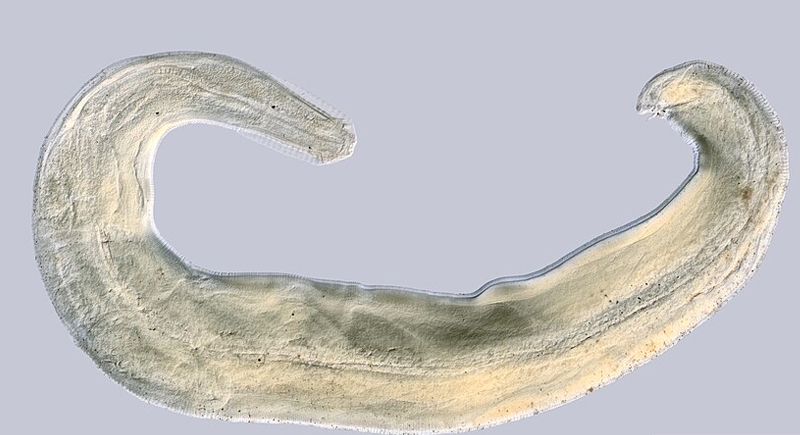
Credit: Wikimedia Commons
These small roundworms settle in the colon, where they find the ideal conditions to lay eggs. The most common sign is nighttime itching, as females deposit their eggs around the anus while they sleep. The eggs spread quickly, sticking to bedding, clothing, and hands after scratching. Because they can survive on surfaces for several days, reinfection is common unless everything is cleaned carefully.
Taenia Solium

Credit: Wikimedia Commons
The pork tapeworm attaches to the intestinal wall with hooks because that’s how it obtains its food for years. Its eggs pass through human feces and settle on vegetation eaten by pigs, which allows the cycle to continue. Humans become the next host after eating undercooked pork because the larvae survive cooking errors. Symptoms vary because people react differently to intestinal irritation.
Ascaris Lumbricoides

Credit: Wikimedia Commons
This roundworm usually enters the body through food or water contaminated with eggs that develop well in soil. After hatching, the larvae move through the bloodstream as part of their growth cycle before returning to the intestines. Adults can reach lengths of 15 to 35 centimeters. Mild infections often go unnoticed at first, since the intestines can adapt for a while before symptoms start to show.
Wuchereria Bancrofti
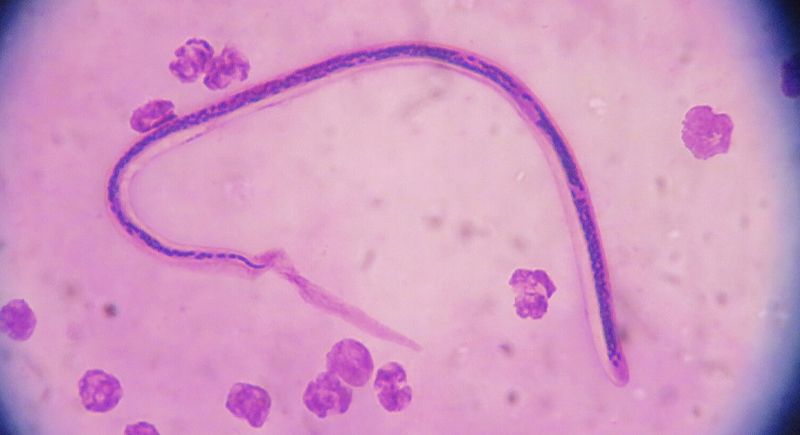
Credit: Wikimedia Commons
Mosquitoes can pass this parasite along while feeding, introducing tiny larvae into the bloodstream. Instead of staying there, the worms move into the lymphatic system, where they slowly mature over many months. As they grow, they disrupt normal fluid flow, which can cause significant swelling. In long-term cases, that buildup leads to elephantiasis, especially in regions with frequent mosquito exposure across tropical and subtropical climates.
Trichinella

Credit: Wikimedia Commons
This parasite is best known for settling in muscle tissue, where its larvae stay curled inside tiny cysts. Once eaten, those cysts break open in the intestine and release larvae that move through the body. People usually encounter it through raw or undercooked meat, especially when it hasn’t been properly inspected. Trichinosis often shows up as muscle pain because the larvae reach those tissues early, and infections generally respond well to antiparasitic treatment.
Fasciola Hepatica

Credit: Wikimedia Commons
Also known as the common liver fluke, this flatworm reaches humans through raw watercress or other freshwater plants because its larvae cling to plants easily. Contaminated water is another route because the parasite survives in slow-moving streams. Fascioliasis occurs when the worms move into the liver or bile ducts, which can affect digestion. Treatment relies on prescription drugs since flukes don’t leave on their own.
Trichuris Trichiura
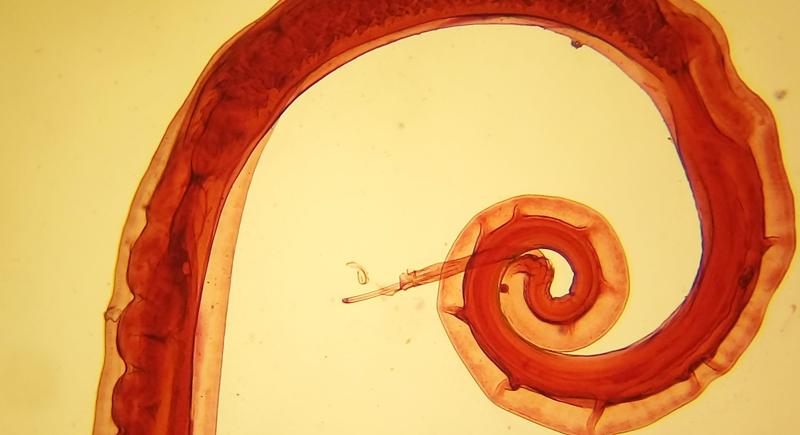
Credit: Wikimedia Commons
Whipworm infections begin with soil exposure because the eggs survive in warm, moist ground. Humans get infected after ingesting contaminated produce or touching soil, which keeps cases common worldwide. Severe infections may cause anemia because the worms feed on tissue in the large intestine. Medicines clear them out because whipworms can’t resist anthelmintic treatment.
Necator Americanus

Credit: Wikimedia Commons
Hookworms like this species latch onto the intestinal wall with teeth because they feed on human blood. The larvae often enter through bare feet because they can penetrate the skin in contaminated soil. Heavy infections may trigger fatigue because blood loss becomes steady over time. Prevention improves dramatically with footwear since the larvae can’t get through shoes.
Ancylostoma Duodenale

Credit: Wikimedia Commons
This hookworm thrives in warm, damp soil, where its larvae can cling to produce or come into contact with bare skin. After entering the body, it anchors itself to the intestinal wall with sharp cutting plates that irritate the tissue and cause discomfort. Because it feeds on blood continuously, infections can lead to anemia and nutrient loss. Communities without reliable sanitation face higher exposure, since eggs hatch in soil that’s regularly contaminated.
Enterobius Vermicularis

Credit: Wikimedia Commons
Families tend to pass this parasite around because pinworm eggs stay viable on household surfaces. Kids pick it up quickly since hand-to-mouth habits offer an easy route into the body. Symptoms pop up at night because that’s when the female worms lay eggs. Medication works well because pinworms have a short life cycle that responds quickly to treatment.