10 Organs You Can Live Without (And Why We Have Them)
Many organs play important roles, but not all of them are required for survival. Some are removed because of injury, and others because of disease. In certain cases, doctors take them out to prevent life-threatening complications. Once cut out, different parts of the body tend to take over their functions.
What you may not know is that a couple of the organs in your body have duplicate systems, and they turn out to be less necessary than once thought.
Spleen
Credit: Canva
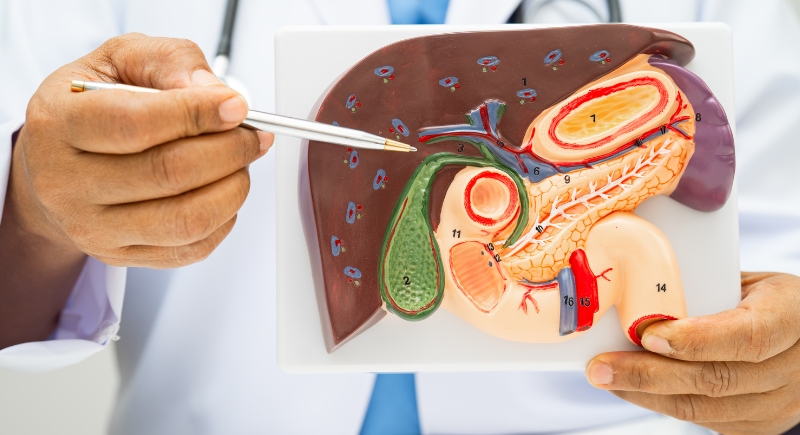
A hard hit to the left side of the abdomen can damage the spleen. It sits just behind the ribs and can tear during car crashes or sports injuries. If it ruptures, internal bleeding can become severe very quickly. Doctors often remove it in emergencies. Life can continue without it because the liver and lymph nodes take over most of its role.
Appendix
Credit: Canva
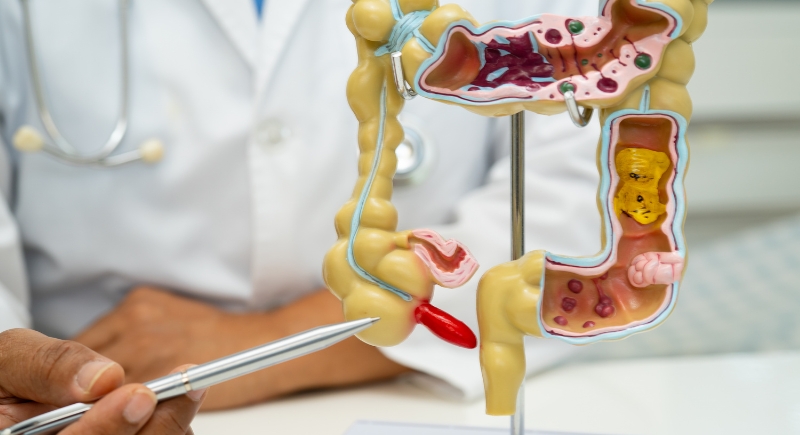
Professionals once believed the appendix had no function. That changed when researchers proposed that it helps maintain healthy gut bacteria. It can store good microbes that support digestion. Still, it’s removed mainly because of appendicitis, which is a painful inflammation that happens when it gets blocked.
Colon
Credit: Canva
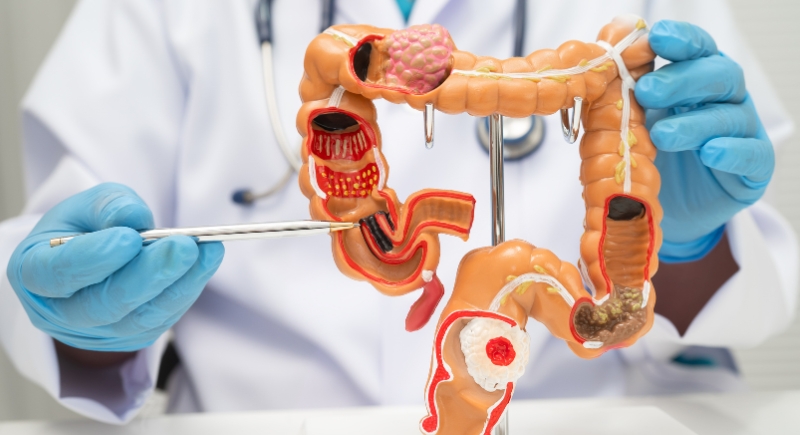
In the absence of a colon, the body loses its main site for absorbing water and forming solid waste. This organ also supports a large community of gut bacteria that aid digestion and help produce vitamins like K and B12. Without it, the small intestine handles all nutrient absorption, but stool becomes looser and more frequent.
Stomach
Credit: Africa images
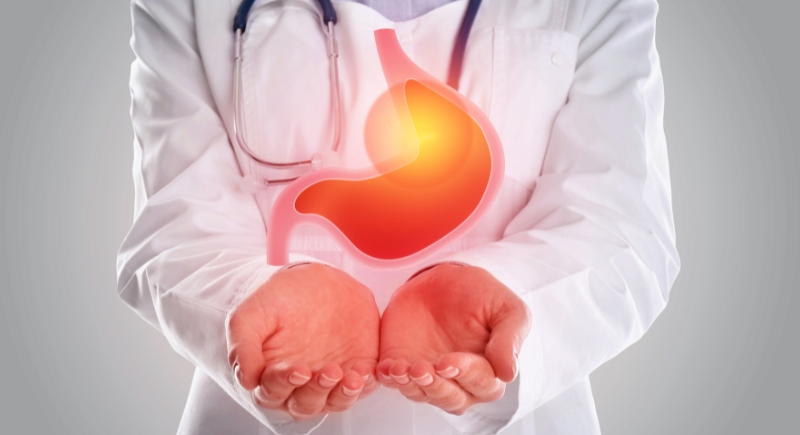
It surprises many people, but you can live without a stomach because most digestion happens in the small intestine. When removal is necessary, usually due to cancer or severe injury, surgeons connect the esophagus directly to the intestines. Afterward, people adjust by eating smaller, more frequent meals and taking vitamin supplements to stay nourished.
Gallbladder
Credit: Canva
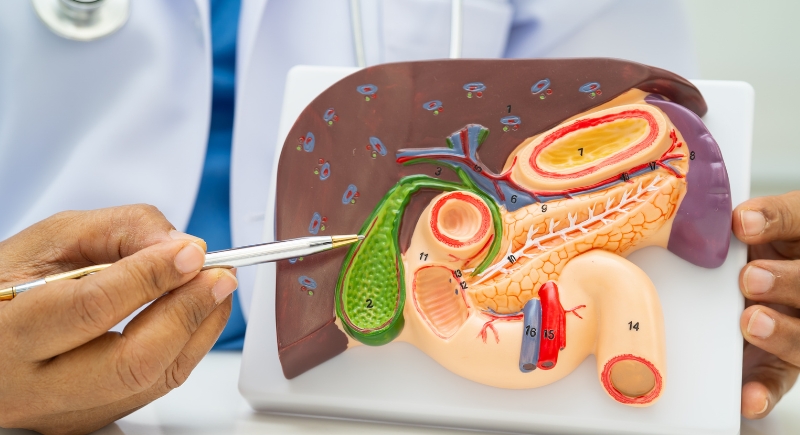
The gallbladder stores bile, which helps digest fat. Gallstones form when substances in bile harden and block ducts, which causes sharp pain or infection. Discarding the gallbladder is a standard solution. This surgery, called cholecystectomy, is common worldwide and usually leads to a fast recovery. Consequently, bile flows directly from the liver to the intestines.
Lung
Credit: Canva
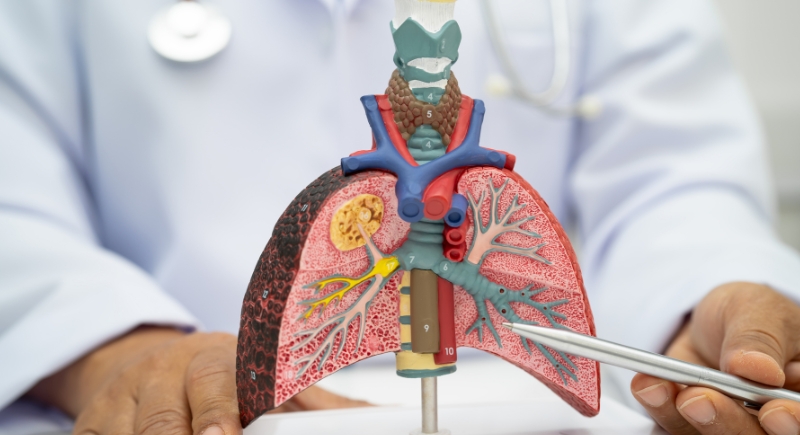
Medical teams sometimes get rid of an entire lung to treat cancer or severe damage. The surviving lung expands and increases its workload. In children, lung tissue may even grow additional air sacs to handle more oxygen exchange. Adults don’t grow new sacs, but they adapt.
Kidney
Credit: Canva
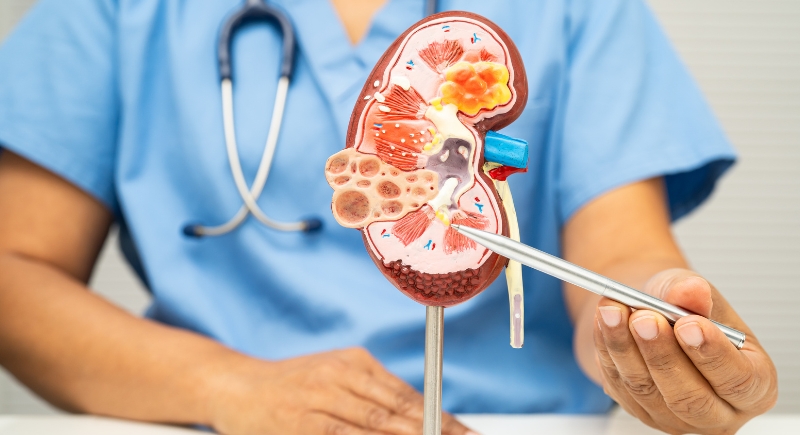
If you donate a kidney, your body adjusts without major issues. The remaining kidney grows slightly and takes over all filtering duties while maintaining fluid and electrolyte balance. In transplant surgery, doctors typically leave the failing kidneys in place and add the healthy one instead. That means some people live with three kidneys, though only one does the work.
Reproductive Organs
Credit: Getty Images
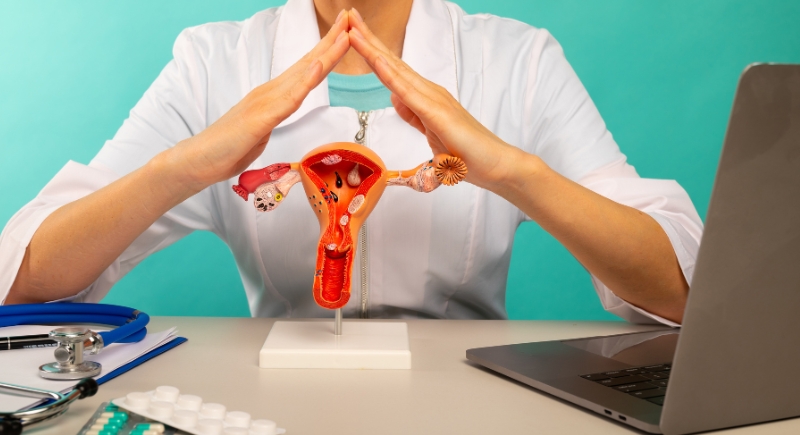
These organs handle fertility and hormone production, but don’t affect basic survival. Uterus and ovaries in women, and testicles in men, may be extracted due to cancer, injury, or other medical reasons. As a result, fertility ends and hormone levels may change, which is where hormone therapy comes in to manage energy loss or bone thinning.
Tonsils

Credit: Canva
Infections led to frequent tonsillectomies during the mid-20th century. Eventually, surgeons started extracting them regularly, sometimes even without a strong reason. That changed with research showing their role in early immune development. Today, tonsils still get targeted for chronic infections or sleep apnea. Once this is done, the immune system works through other lymphoid tissues.
Half Of the Brain
Credit: pixabay
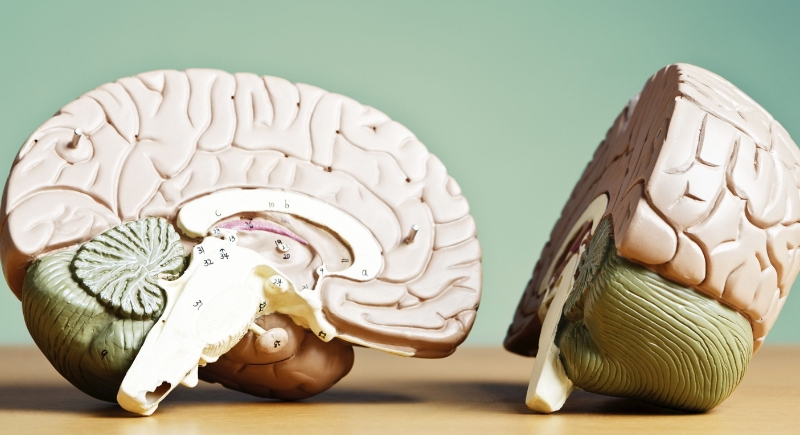
It sounds impossible, but hemispherectomy is used to treat extreme epilepsy. Experts are required to perform it when seizures come from one hemisphere and are resistant to medication. In young patients, the other half adapts better due to higher plasticity. Many regain mobility and language skills through therapy.