One of the First Undercover Journalists Faked Insanity to Expose Asylum Abuse
In the late 1800s, asylums functioned largely out of public view. Doctors alone could decide who was committed, and once inside, patients had almost no way to argue their case or secure release. Reports of neglect and mistreatment circulated, but officials brushed them off, assuming that anyone labeled “insane” could not be trusted. At the same time, newspapers were fighting for attention, yet women reporters were rarely given serious investigative work.
Against that backdrop, one journalist made a risky choice. She agreed to fake insanity and enter an asylum herself, knowing there were no guarantees about when she would be allowed out or whether the plan would even work. It was not a stunt for headlines, but a deliberate attempt to uncover what really happened behind closed doors and force the public to take notice.
A Reporter Who Refused Assigned Limits
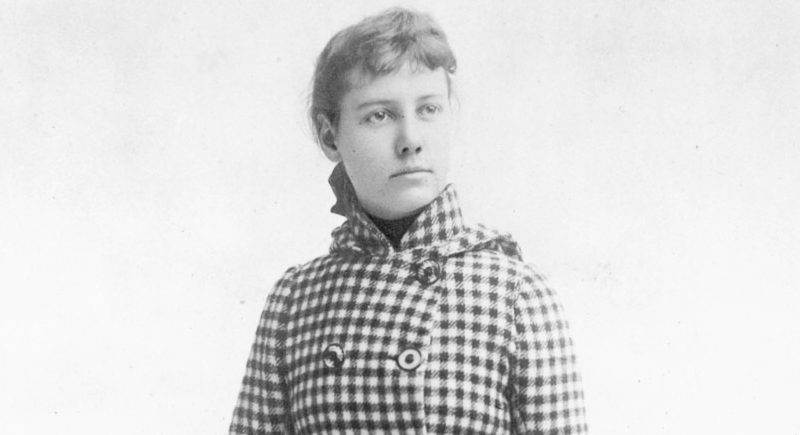
Image via Wikimedia Commons/Unknown author
Nellie Bly entered journalism in the 1880s after publicly challenging a column that argued women belonged at home. Editors noticed her direct style and gave her a byline, although many of her assignments focused on social topics rather than hard news reporting. She pushed back by covering labor conditions, factory work, and poverty, focusing on lived experience.
By 1887, she had moved to New York and landed at the New York World, a paper known for aggressive storytelling. Editors wanted impact, she wanted access, and that combination produced an idea few others would accept.
Getting Inside a Locked System
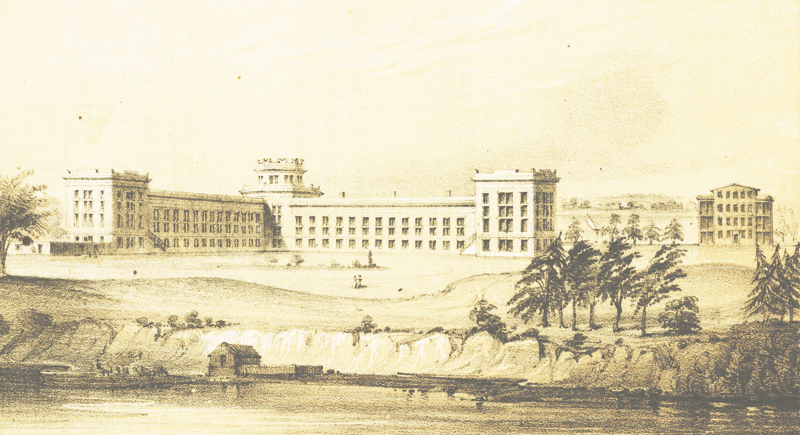
Image via Wikimedia Commons/Scan by NYPL
Rumors had circulated for years about abuse at the Women’s Lunatic Asylum on Blackwell Island. Patients complained of spoiled food, physical punishment, and forced confinement without medical cause. Public officials dismissed those claims, but Bly proposed testing the system by entering it. She practiced erratic behavior, checked into a boarding house, and raised enough concern to trigger a medical evaluation. Doctors declared her insane, and authorities transferred her through Bellevue Hospital and then onto the island.
Once inside, she dropped the act and spoke calmly, but this made no difference. Staff recorded her behavior as further proof of illness. That response exposed a core problem: the system treated disagreement as a diagnosis.
Life Inside the Asylum
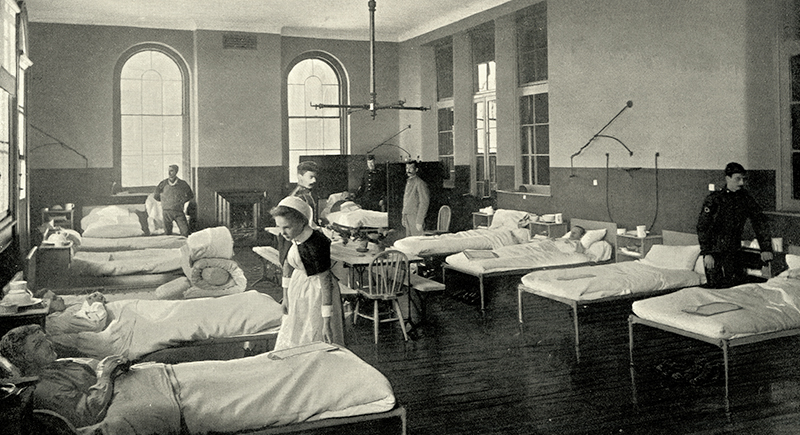
Image via iStockphoto/duncan1890
Bly spent ten days confined alongside women who had no path out. She documented icy baths, long hours of enforced silence, and meals that left patients hungry. Nurses punished disobedience with physical force, and language barriers trapped immigrants who could not explain themselves to doctors. Several women showed no signs of mental illness beyond fear and confusion.
In her reporting, Bly compared the institution to a trap that accepted people easily and released almost none. Patients lacked access to legal hearings, reviews were rarely reversed, and medical authority operated without meaningful oversight. Her most striking insight focused less on cruelty and more on logic. Prolonged isolation, neglect, and fear would destabilize anyone. The system created the symptoms it claimed to treat.
Publication and Public Reaction
The New York World arranged her release and ran the exposé soon after. Public reaction was immediate. Officials opened a grand jury investigation into conditions on Blackwell Island, and New York increased asylum funding by approximately $1 million, a substantial investment for the 1880s. Investigators confirmed many of the abuses she had reported. The articles were later expanded into the book “Ten Days in a Mad-House,” reaching readers far beyond the newspaper’s audience. The work did not dismantle the asylum system, but it did prompt concrete reforms and changed how the public understood involuntary confinement.
What made Nellie Bly’s reporting effective was its focus on structure, not personalities. She did not depend on leaks or hearsay. She tested the system by entering it herself. That decision helped establish undercover reporting as a serious investigative method and exposed how easily medical authority could go unchecked. By showing how quickly sanity could be overridden, her work raised lasting questions about power, consent, and accountability in institutional care.