10 Old-School Phone Etiquette Rules That Died With the Landline
Phone calls carried a sense of occasion, and small habits filled the gaps between dialing and hanging up. Many of those habits have faded as smartphones have made communication faster and less formal. Looking back at these forgotten rules reveals how much thought once went into even the simplest call, and why some of it still feels surprisingly relevant today.
Answering With A Full Greeting

Credit: pexels
Households often identified themselves before anything else. It confirmed the caller reached the right place and set a polite tone immediately. Today, names appear on screens, so there’s no need for introductions. The older approach slowed things down just enough to acknowledge the person on the other end.
Waiting Before Picking Up
Credit: pexels
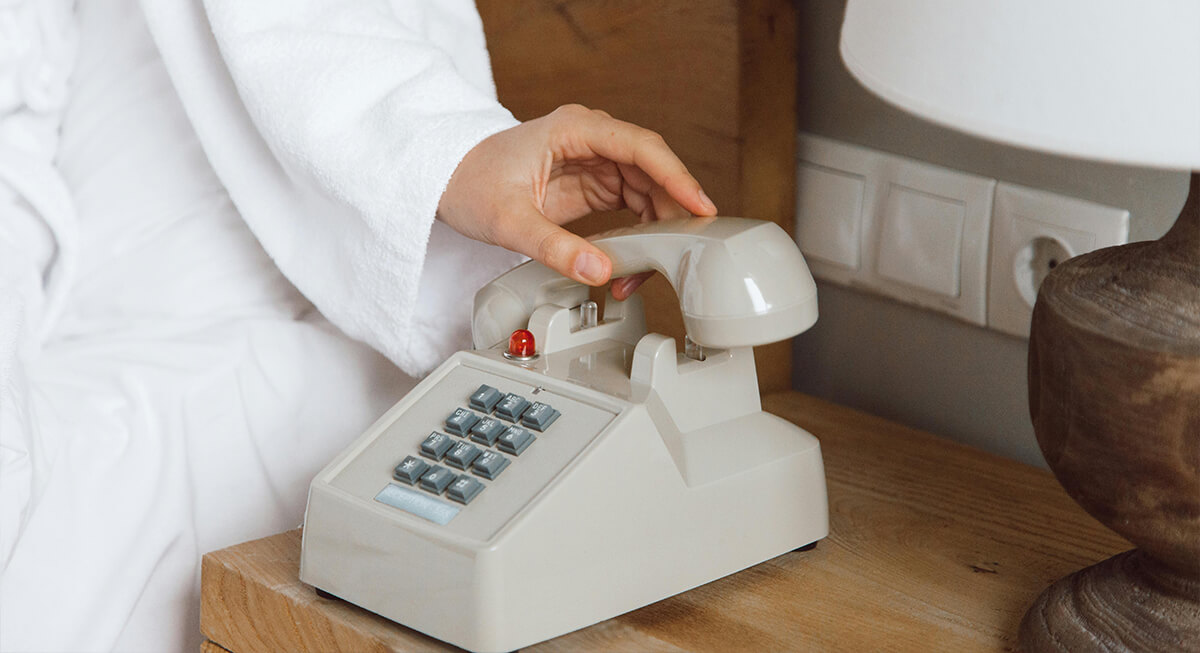
Answering immediately was once seen as overeager. Letting the phone ring a few times created a sense of balance, as if the caller’s time mattered but didn’t control the household. This pause became a small social signal.
Keeping Calls Within Certain Hours
Credit: pexels
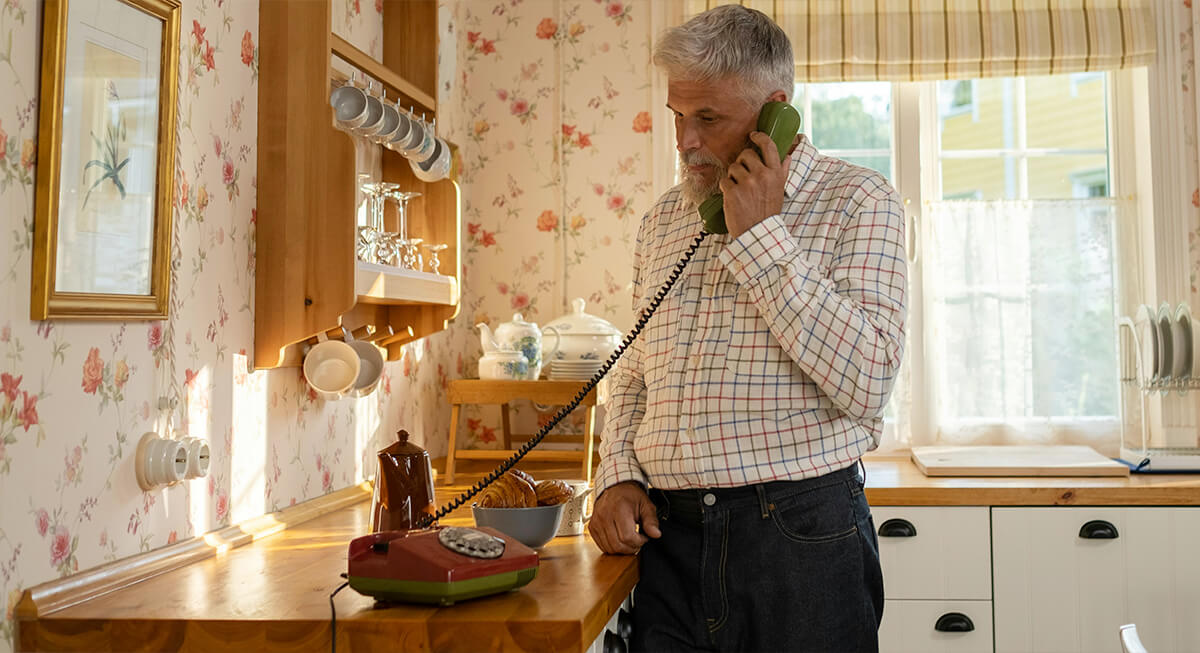
Before 9 a.m. or after 9 p.m. suggested urgency or poor judgment. Without silent modes or message previews, every ring demanded attention. That made timing a sign of awareness and consideration. Today, messages can remain unread without pressure, and calls feel less intrusive.
Never Calling Without A Purpose
Credit: pexels
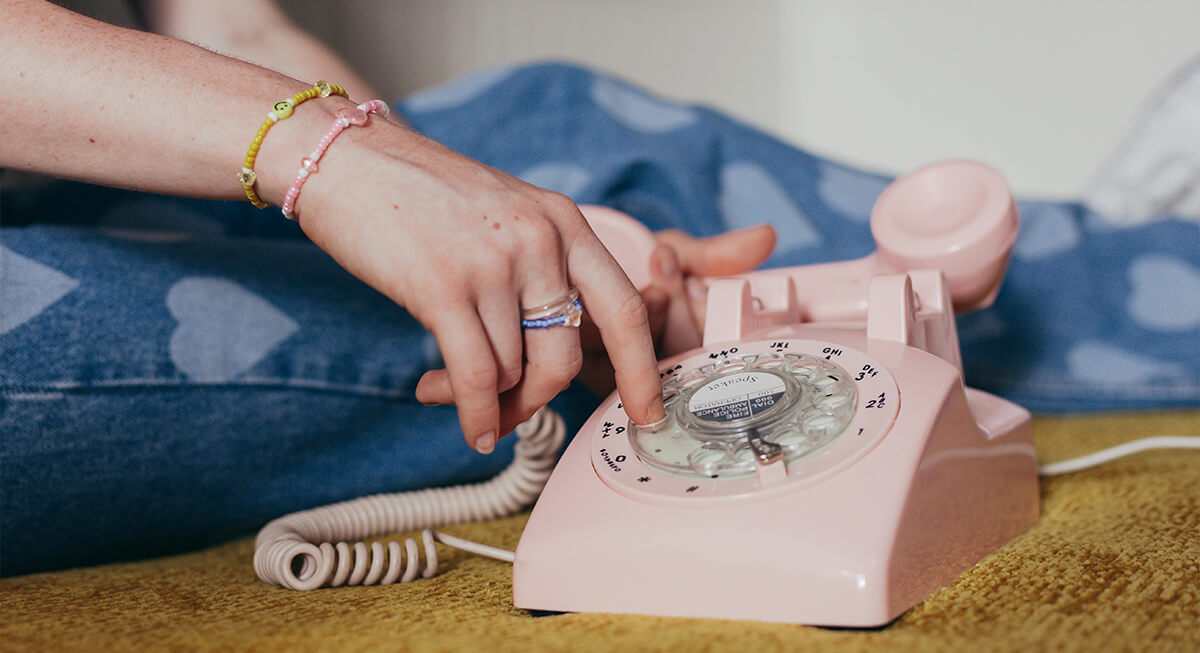
Phone calls were expected to have a clear reason. People gathered their thoughts before dialing, knowing they had someone’s full attention once the line connected. Calling without direction risked awkward pauses or wasted time.
Avoiding Calls During Meals

Credit: pexels
Dinner time held a firm boundary. Phones could ring, but answering them meant breaking a shared routine. Meals were treated as protected time, and interruptions were rarely welcome unless something urgent came up. The older rule reflected a clear separation between social time and outside demands.
Ending Conversations With Care

Credit: pexels
People confirmed plans, exchanged goodbyes, and waited for the other person to finish speaking before ending the call. Cutting someone off felt abrupt and disrespectful. Now, conversations often end quickly once the point is made.
Giving Calls Your Full Attention

Credit: pexels
Multitasking during a call was discouraged. Background noise, distractions, or divided focus signaled disinterest. Early phone etiquette emphasized listening closely and responding thoughtfully. This expectation came from the effort it took to make a call in the first place.
Returning Missed Calls Promptly
Credit: pexels
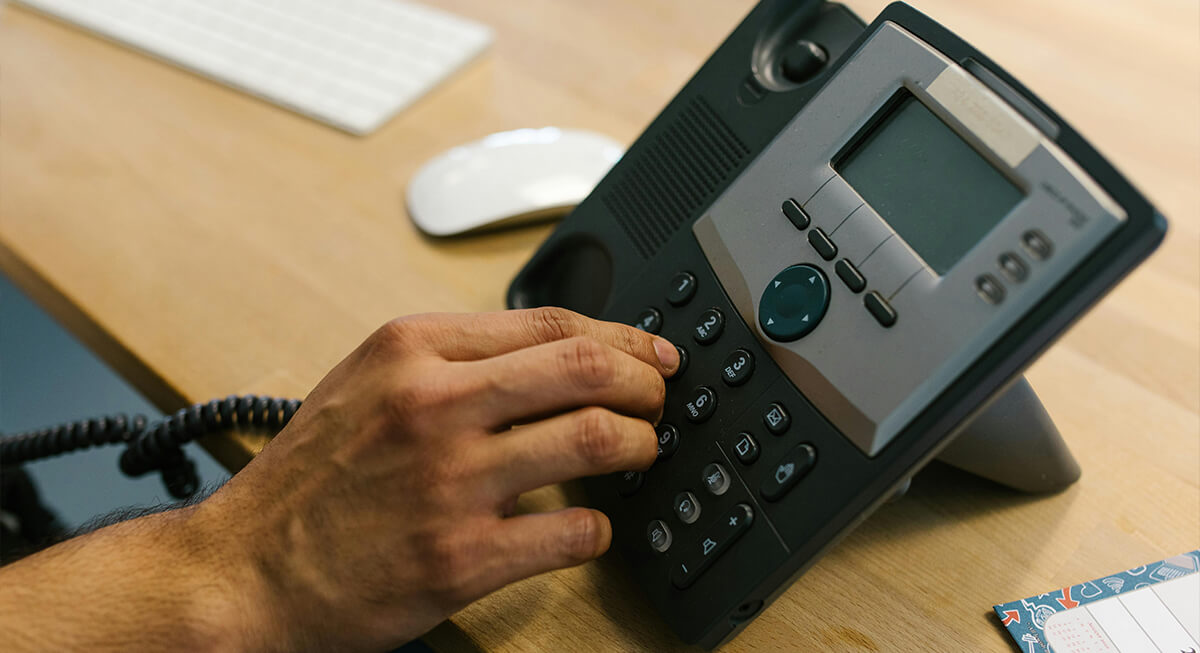
Missing a call came with an unspoken obligation to return it promptly. Ignoring it suggested disinterest or poor manners. This expectation formed a social contract between the caller and the receiver.
Limiting Long-Distance Calls

Credit: pexels
Long-distance calls were expensive and often billed by the minute, which influenced how people spoke. Conversations were shorter and sometimes planned in advance to avoid high costs. Now that unlimited calling plans are available, this etiquette no longer applies.
Not Making Calls During Bad Weather Lines

Credit: pexels
Storms once disrupted phone lines and made conversations difficult with static and faint voices. People were advised to limit calls during heavy weather unless necessary, both to avoid frustration and to keep lines available for urgent use. Reliable networks have made this concern almost irrelevant.